


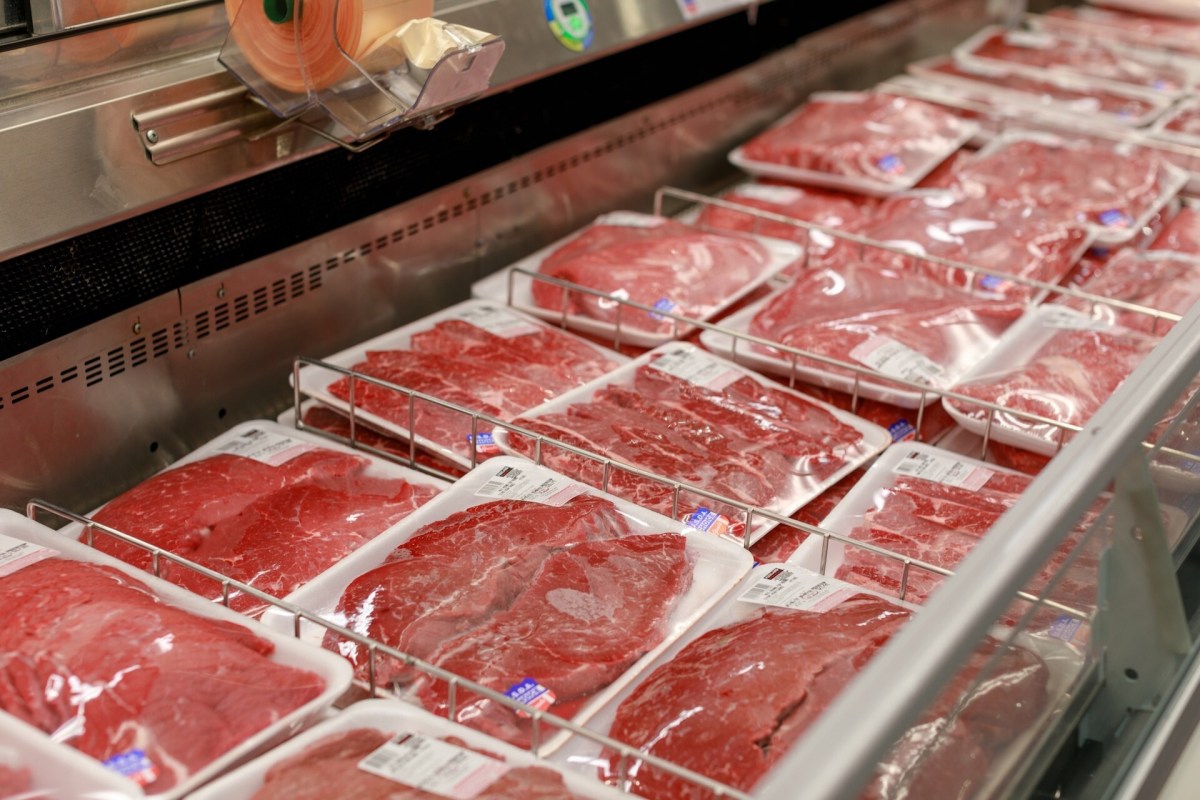
South African farmers are despondent as beef exports continue to falter amid the nation's worst foot-and-mouth disease outbreak "in recent memory," Reuters reported.
What's happening?
In 2025, the Agricultural Business Chamber of South Africa's chief economist, Wandile Sihlobo, ranked beef among the nation's leading agricultural exports.
Outside of exports to other countries in Africa, Asia and the Middle East are South Africa's top importers of beef.
But China suspended all imports "derived from cloven-hoofed animals" in May 2025, according to African Farming, due to "ongoing" foot-and-mouth disease outbreaks.
While global demand for beef surged, South Africa's exports plummeted 26% year over year after another outbreak of foot-and-mouth disease in early 2025 — one farmers are still battling.
Dairy farmer James Kean spoke to Reuters about the devastation wrought by the highly contagious illness ravaging his livestock.
When foot-and-mouth disease began spreading on his farm, Kean spent 1 million rand ($63,000) to contain the damage, and said some of his fellow farmers had spent three years' worth of veterinary expenses in a single month.
"The cost to the economy is enormous. The [national] livestock population could halve in two years, in which case food prices are going to rise as well," he told Reuters.
Why is this concerning?
Kean, who said milk production in his sickened herd fell from 26,000 liters to 23,000 liters in a single day, cited the worrisome, likely possibility of skyrocketing food prices for staples like beef.
Around the world, farmers are increasingly reporting deteriorating agricultural conditions, brutal cycles of heavy rains and drought, and dwindling crop yields.
TCD Picks » Quince Spotlight
💡These best-sellers from Quince deliver affordable, sustainable luxury for all




|
What's the most you'd pay per month to put solar panels on your roof if there was no down payment?
Click your choice to see results and speak your mind. |
 $200 or more 💰
 Rising temperatures have wreaked havoc on the global agriculture sector, with extreme weather just one of the ways an overheating planet is threatening the food supply.
Foot-and-mouth disease affects hooved animals, such as cattle, pigs, and sheep, and a 2020 study in the journal Global Ecology and Conservation investigated the role of higher average temperatures on elephant populations.
A warming world "has a serious impact on wildlife and accelerates the spread of viruses," the authors noted, emphasizing a threat to humans and animals alike. Vector-borne diseases like West Nile virus and Lyme disease are on the rise as tick seasons and ranges expand.
A December 2025 study in the International Journal of Biometeorology examined the causes of the resurgence of "five major livestock diseases" in Burkina Faso and West Africa, separating climate data into two sets: 1961 to 1990 and 1991 to 2020.
The researchers identified "significant changes in rainfall and temperature patterns," cited unstable temperatures, and recommended several measures to protect food supplies.
What's being done about it?
In a Feb. 3 AgriView article, Sihlobo called on South Africa's Department of Agriculture to collaborate with entities that could "manufacture, distribute, and apply vaccines."
On Feb. 4, the U.S. Department of Agriculture published a report detailing South Africa's plans to curtail the spread of foot-and-mouth disease through livestock vaccination.
However, as Business Insider Africa observed, the issue highlighted an urgent "need to strengthen animal-health systems as climate pressures, disease cycles, and globalised trade increase the risk of outbreaks."

Get TCD's free newsletters for easy tips to save more, waste less, and make smarter choices — and earn up to $5,000 toward clean upgrades in TCD's exclusive Rewards Club.
Cool Picks





