


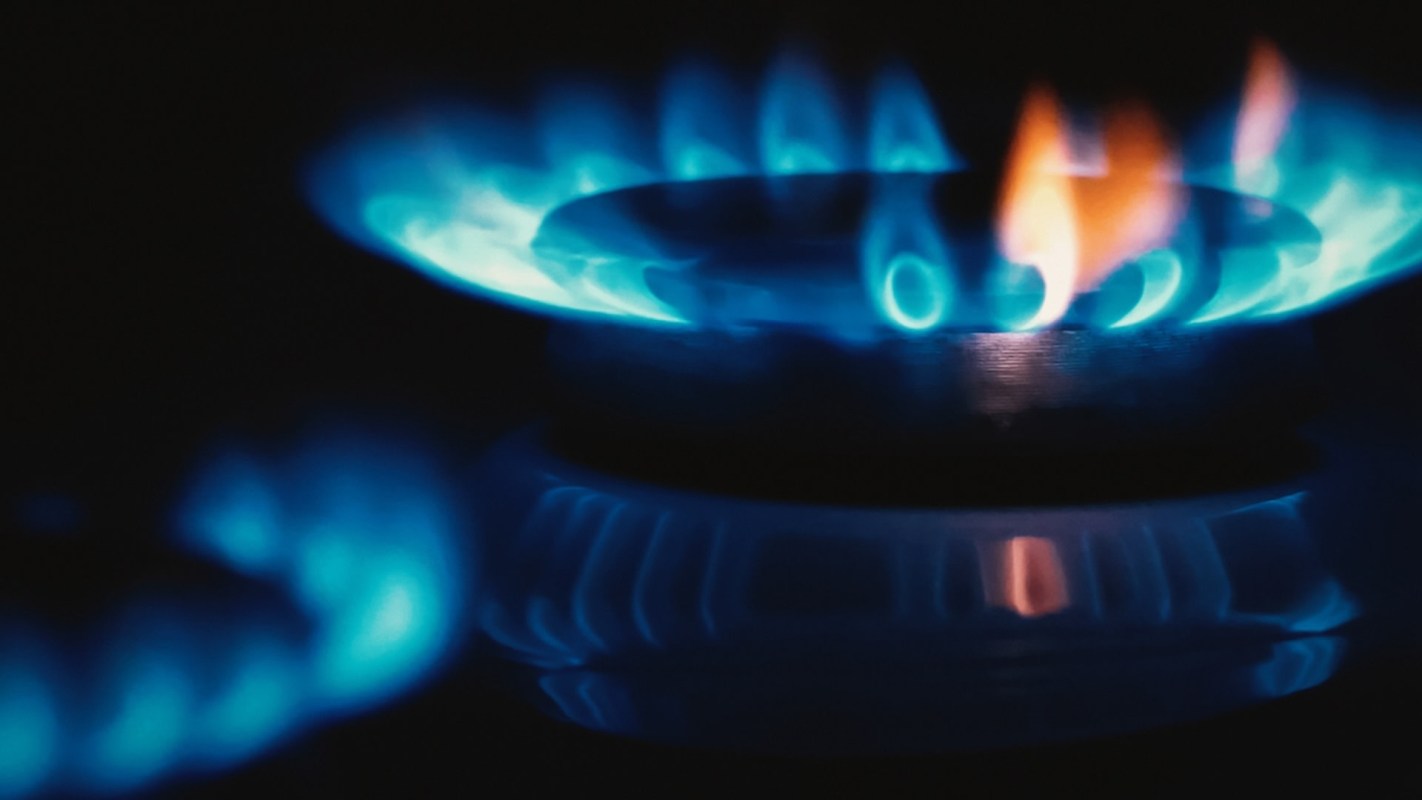
Pollution from gas stoves causes hundreds of deaths each year in New Zealand, according to a troubling study.
What's happening?
As Stuff detailed, a report from the Energy Efficiency and Conservation Authority linked gas stoves to over 200 premature deaths and higher-than-average cases of childhood asthma.
The research attributed more than 3,200 asthma cases annually to pollution from gas stoves in New Zealand, along with hundreds of hospital visits for heart and respiratory problems.
The EECA, the primary energy-saving agency in NZ, studied two of the most harmful air pollutants released by gas stoves — nitrogen dioxide and fine particles — to determine their impacts.
TCD Picks » Induction Cooking
💡Discover the induction option that’s just right for your needs and your home




In addition to deaths and hospitalizations from gas stoves, the research found that indoor air pollution from wood-burning stoves and unflued gas heaters also caused premature deaths.
Aside from the health effects, gas stoves were linked to economic losses from reduced productivity and medical bills of around NZ$3.3 billion per year.
Dr Nick von Randow, a former chief clinical advisor for the Ministry of Health and a public health medicine specialist, peer-reviewed the study and found that "the estimates presented are essentially a minimum 'floor' for health harms and costs associated with indoor air pollution," according to Stuff.
The study did not account for other possible health impacts from gas stoves, including miscarriage, stillbirth, preterm birth, poor academic performance in adolescents, dementia, and lung cancer.
Save $10,000 on solar panels without even sharing your phone number Want to go solar but not sure who to trust? EnergySage has your back with free and transparent quotes from fully vetted providers in your area. To get started, just answer a few questions about your home — no phone number required. Within a day or two, EnergySage will email you the best options for your needs, and their expert advisers can help you compare quotes and pick a winner. Solar panels can save you more than $50k over their 25-year lifespan, and EnergySage can help you save as much as $10k on installation. Which begs the question — isn't that worth an email or two? |

"There's now a mountain of evidence showing gas in our homes is a major health issue," the NZ Green Building Council's director of market transformation, Sam Archer, told Stuff.
"It's staggering that we're still expanding gas use…without more support for electrifying, we risk deepening energy and health inequities, especially for lower-income families."
|
What would it take for you to get rid of your gas stove?
Click your choice to see results and speak your mind. |
 I'd pay for it myself 💪
 Why are the findings concerning?
The findings show that gas stoves are directly linked to deaths, increased health issues, and major economic losses across New Zealand.
Pollution from the stoves has also been associated with numerous other hazards, including burners randomly turning on by themselves, gas leaks, and even explosions.
Methane and carbon dioxide pollution from gas stoves also contribute to rising global temperatures, leading states like New York to propose banning them.
How can you reduce indoor air pollution?
Luckily, you don't have to endure poor indoor air quality and the other dangers associated with owning a gas stove.
In the U.S., through the Inflation Reduction Act, you can snag an $840 rebate on a qualifying induction stove, which uses electromagnetism to heat pots and pans and is much more efficient than gas stoves.
Induction stoves also cook much faster, are easier to clean, and are much safer, especially if you have children.
If you rent or don't want to invest in a full-size stove, you can get a plug-in induction burner for as little as $50, letting you enjoy the benefits of eco-friendly cooking without the high price tag.
While many tax credits and home appliance upgrades are expiring by the end of the year, those for induction stoves will still be available. However, buying sooner rather than later can ensure those savings.

Join our free newsletter for weekly updates on the latest innovations improving our lives and shaping our future, and don't miss this cool list of easy ways to help yourself while helping the planet.
Cool Picks





