



For years, most of the attention around PFAS — aka the "forever chemicals" linked to cancer and other health risks — has focused on drinking water. But a new study suggests the bigger danger may actually be hiding in our kitchens.
What's happening?
A report from The Conversation reveals that one study found that food, not water, is the biggest source of PFAS exposure for many Americans. PFAS, short for perfluoroalkyl and polyfluoroalkyl substances, are a group of chemicals used in everything from nonstick pans to waterproof clothing. They're often called forever chemicals because they don't break down easily and can linger in the environment and human bodies for decades.
Researchers analyzed four ways people are exposed to these forever chemicals — drinking water, food, recreation, and industrial pollution — across three Great Lakes states. They found that the average person consumes three times more PFAS through food than through water. Foods like shrimp, butter, and olive oil showed particularly high levels, with seafood topping the list due to PFAS building up in polluted rivers and oceans.
Why are 'forever chemicals' concerning?
PFAS have been linked to serious health problems, including various cancers, reproductive issues, reduced immune responses, and developmental effects in children. The Environmental Protection Agency recently set drinking water standards that recognize no safe level of exposure to two of the most common PFAS compounds. However, this study shows that food — something that can be trickier to regulate than tap water — may be an even bigger threat than we realized.
Experts say that dietary choices also increase the risks in some areas. For example, seafood consumption drives up PFAS exposure in New York state and Philadelphia, while butter and olive oil consumption are major contributors in New York City and other regions.
What's being done about PFAS?
The study team has launched an interactive dashboard to help residents calculate their own risks and see how their community stacks up. Nationally, the EPA has also created a PFAS Analytic Tool to map known contamination sites, while advocacy groups like the Environmental Working Group offer searchable maps of affected water systems.
Perk up the winter blues with natural, hemp-derived gummies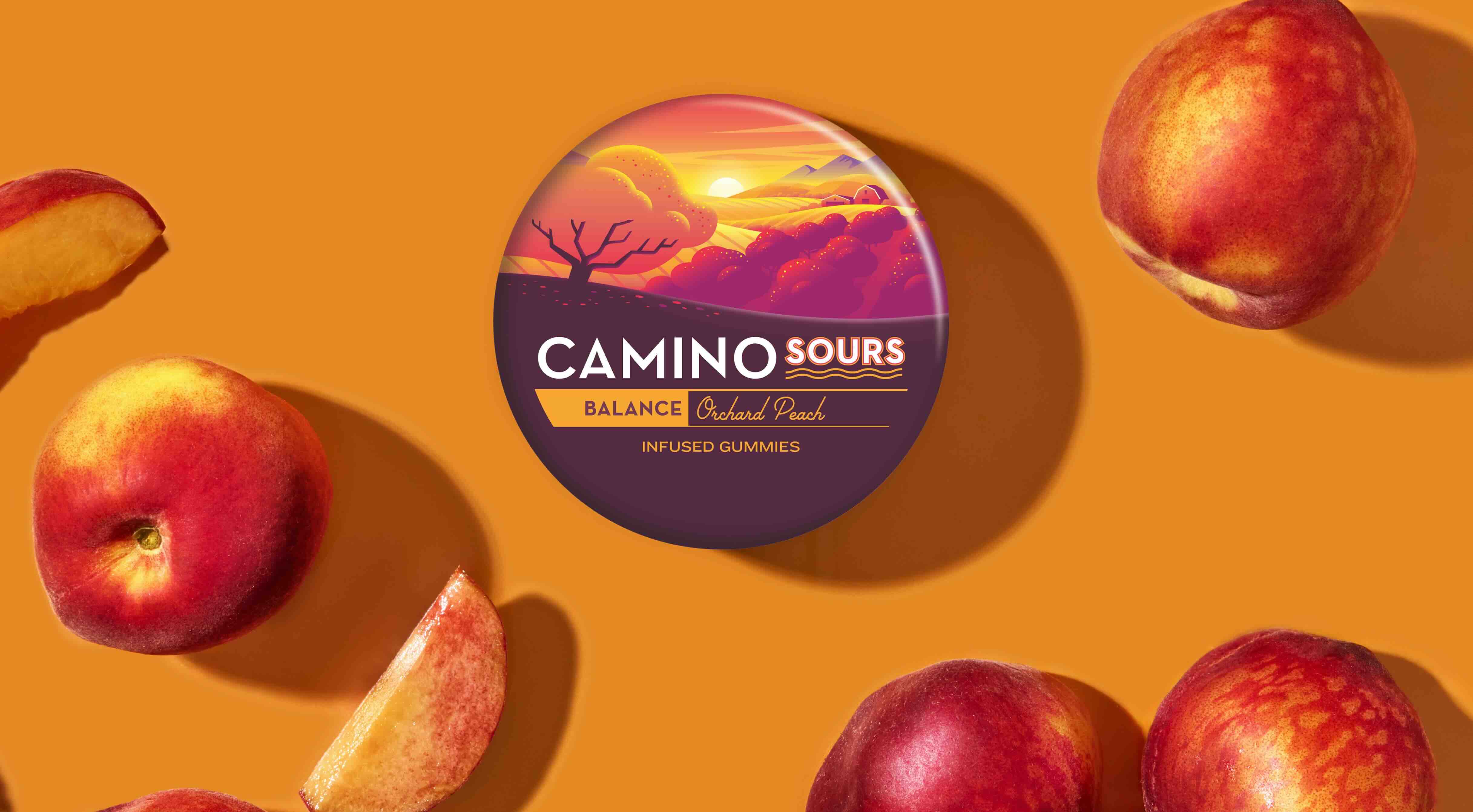 Camino's hemp-derived gummies naturally support balance and recovery without disrupting your routine, so you can enjoy reliable, consistent dosing without guesswork or habit-forming ingredients. Flavors like sparkling pear for social events and tropical-burst for recovery deliver a sophisticated, elevated taste experience — and orchard peach for balance offers everyday support for managing stress while staying clear-headed and elevated.
Learn more → |

At home, experts recommend that people use certified water filters if their community's water supply is contaminated and limit high-risk foods, such as certain seafood and processed fats. Individuals can also help by supporting local and national policies to phase out PFAS in consumer products.
|
Do you worry about having toxic forever chemicals in your home?
Click your choice to see results and speak your mind. |
 Majorly 😥
Join our free newsletter for weekly updates on the latest innovations improving our lives and shaping our future, and don't miss this cool list of easy ways to help yourself while helping the planet.
Cool Picks





