


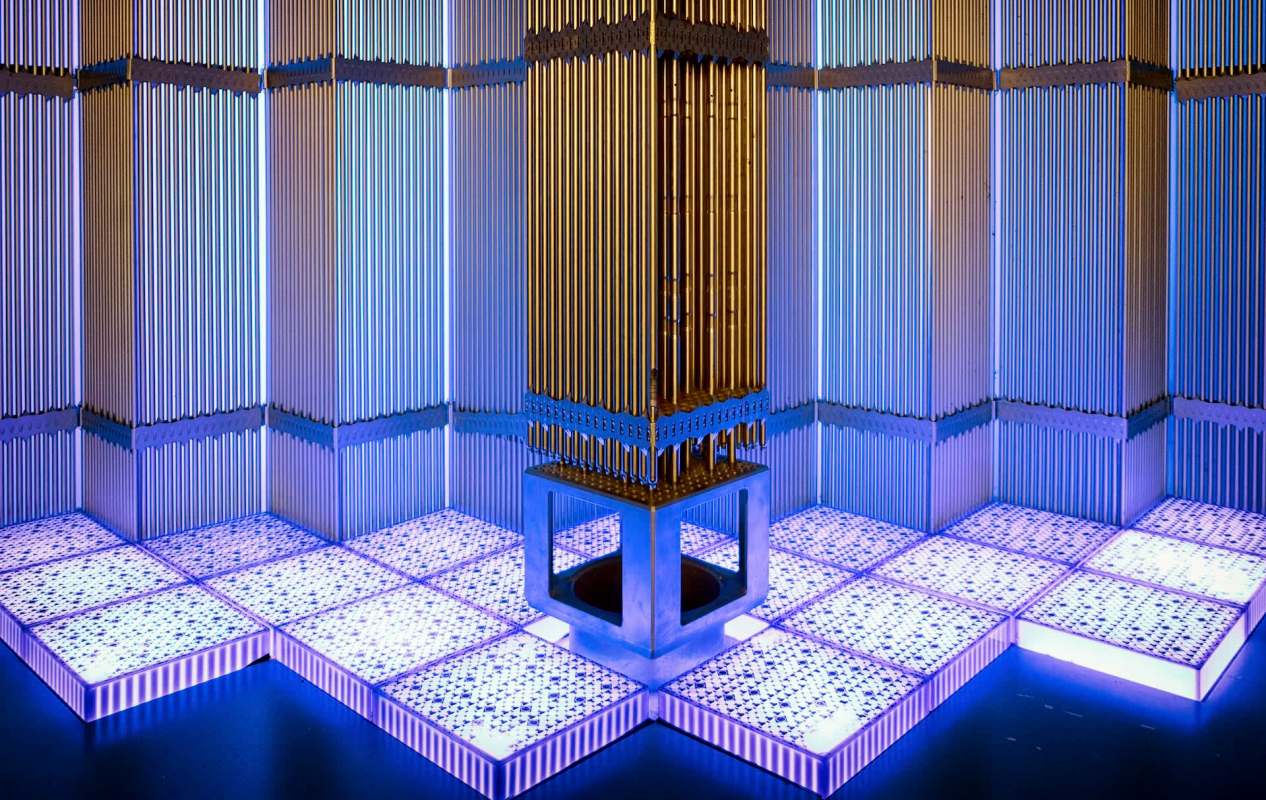
A research team from the University of South China has developed a set of algorithms to help optimize radiation-shielding design for new types of nuclear reactors.
Their achievement, which was published in the journal of Nuclear Science and Techniques and shared by TechXplore, will help engineers meet the difficult demands for next-gen reactors, including transportable models, as well as those intended for marine and space environments.
Safety is of paramount concern when it comes to nuclear energy, especially considering the public's perception of this clean energy source following some notable accidents over the past 68 years.
Expertise alone is no longer enough to adapt protective measures for newer designs. The reactors will need to be lightweight, much smaller, and radiation-protected, resulting in complex multi-parameter and multi-objective problems, according to the report.
The algorithms are called RP-NSGA and RP-MOABC and are said to significantly enhance optimization performance by using reference points from genetic algorithms and those from artificial bee colonies, respectively, as their suffixes indicate.
"The algorithms can automatically identify optimal shielding solutions under multiple objectives and constraints, greatly reducing design complexity," said Prof. Zhen-Ping Chen, the corresponding author of the paper, in the article.
"This provides crucial technical support for the conceptual design phase of nuclear reactors, especially for the new types of reactors."
Nuclear energy has helped the world avoid about 74 gigatons of planet-heating CO2 over the past 50 years, which is nearly equivalent to two full years of global pollution.
In the U.S., there were 94 nuclear power reactors in operation during 2023, which generated 18.6% of the country's electricity.
Rafael Mariano Grossi, director general of the International Atomic Energy Agency, declared support for nuclear energy as a way to speed our transition to renewable energy and reduce reliance on more polluting sources.
TCD Picks » Quince Spotlight
💡These best-sellers from Quince deliver affordable, sustainable luxury for all




|
Which of these factors would most effectively convince you to support nuclear energy projects in your area? Click your choice to see results and speak your mind. |
 Lower energy bills 💸
 "With the urgency of mitigating emissions and improving energy security around the world, the significance of nuclear power cannot be underestimated, and neither can the innovations that will help us realize its full potential," said Grossi.
Fusion reactors, which are theoretically much safer forms of nuclear energy, are still in development, but hold the promise of nearly unlimited energy once they become fully operational.
These could complement large-scale solar, wind, and nuclear reactors in supplying enough clean energy to meet environmental goals and keep costs down for consumers.
"It is clear: to meet global emissions targets, we need nuclear energy. Success will depend on the continued operation of many existing plants; the construction of more large traditional nuclear power plants; and the deployment of advanced reactors, including SMRs [small modular reactors]. That will require further innovation and collaboration along every point of the fuel cycle," Grossi added.
These new algorithms could help speed up innovations in radiation shielding and could be expanded to other engineering fields with complex requirements, such as reactor core design and medical radiation protection.

Join our free newsletter for weekly updates on the latest innovations improving our lives and shaping our future, and don't miss this cool list of easy ways to help yourself while helping the planet.
Cool Picks





