


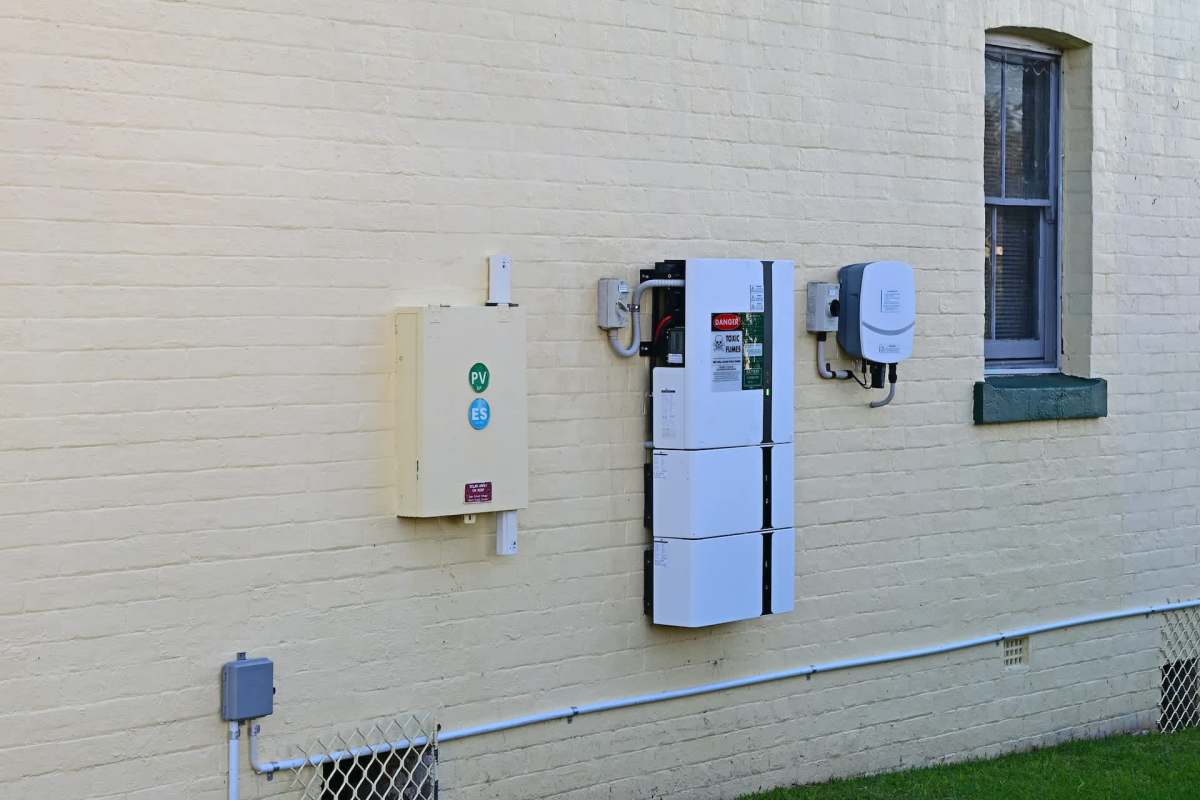
One homeowner recently found out exactly what their home battery system was capable of during a severe storm blackout. In a detailed Reddit post, the homeowner shared their experience during an 11-hour power outage.
"Just here to share my honest experience with our [battery system] after living with it for about two months now, including a few real outages that put it to the test," the homeowner wrote.
During the outage, the battery powered the homeowner's refrigerator, WiFi, LED lights, and phone chargers with ease. Plus, it even handled a few higher-energy tasks, including powering the air conditioner, microwave, and coffee maker — all on stored power.
When electricity was finally restored, the homeowner still had 27% battery remaining, a fridge full of fresh food, and a fully charged cell phone.
In their review, the homeowner wrote that being able to "zone" their power during outages is particularly valuable in helping banked energy go as far as possible.
"I've set it up so the fridge/freezer and master bedroom are the highest priority," the homeowner said. "The AC cycles based on battery percentage. The garage and outdoor lights auto-shed when we drop below 40%."
Like many home battery systems, the homeowner's setup includes an app that tracks performance in real time — something the homeowner found especially helpful when the lights were out.
"The app is genuinely useful — real-time power flow visualization, battery status, historical usage, and the ability to adjust priorities remotely," the homeowner wrote. "During outages, having that visibility reduces anxiety significantly."
Save $10,000 on solar panels without even sharing your phone number Want to go solar but not sure who to trust? EnergySage has your back with free and transparent quotes from fully vetted providers in your area. To get started, just answer a few questions about your home — no phone number required. Within a day or two, EnergySage will email you the best options for your needs, and their expert advisers can help you compare quotes and pick a winner. Solar panels can save you more than $50k over their 25-year lifespan, and EnergySage can help you save as much as $10k on installation. Which begs the question — isn't that worth an email or two? |

Right now, the homeowner charges their battery from the grid during off-peak hours. But they're already thinking ahead. The system can accept up to 5,600 watts of solar input, and they plan to add solar panels.
"Solar integration is straightforward," the homeowner wrote. "We don't have solar yet, but … I'm planning to add panels next year."
|
Which of these savings plans for rooftop solar panels would be most appealing for you?
Click your choice to see results and earn rewards to spend on home upgrades. |
 Save $1,000 this year 💸
 As extreme weather and grid instability continue to trigger blackouts across the country, more households are looking for reliable ways to keep the lights on. One of the smartest upgrades you can make is adding battery storage to your home energy setup.
Battery storage helps protect your home during outages, lowers energy costs, and even moves you closer to going off-grid. With a battery system, you can store electricity — whether from rooftop solar panels or the grid during off-peak hours — and use it later when rates spike or the power goes out. That means fewer disruptions, lower utility bills over time, and greater independence from unpredictable energy costs.
Traditional whole-home backup systems can be expensive and often require professional installation. But there are more flexible and affordable options. Pila helps make battery storage more accessible to both homeowners and renters. Pila home batteries simply plug into standard outlets — no major rewiring or permanent installation required — making it a practical solution even if you don't own your home.
You only need a minimum of one battery to protect your most important appliances, including your refrigerator, WiFi router, medical devices, or phone chargers. With Pila, homeowners can keep their refrigerator powered for 32 hours or maintain their Wi-Fi connection for 132 hours during an outage.
"The average person may have a few hundred dollars of food in their fridge … so just purely from a resilience standpoint, you're talking one or two outages for the upfront cost [of the battery] to be paid off," Pila founder Cole Ashman previously told The Cool Down.
Plus, you aren't required to back up your entire house, which can quickly become costly with traditional systems. Instead, Pila helps you protect the essentials — and expand later if needed.
Whether you're trying to prepare for outages, lower your energy bills, or take a step toward energy independence, adding battery storage is a game-changing move — and it doesn't have to mean overhauling your entire home.

Get TCD's free newsletters for easy tips to save more, waste less, and make smarter choices — and earn up to $5,000 toward clean upgrades in TCD's exclusive Rewards Club.
Cool Picks


