


A powerful early-season heat dome over Northwest Europe did two things at once: push temperatures to dangerous highs and offer a vivid example of how solar can reshape the power grid, as Bloomberg reported.
What's happening?
As skies cleared and sunshine intensified, the region experienced record heat, strain on water systems, and even a brief dip in electricity prices below zero.
Temperatures ran roughly 9 to 15 degrees Celsius (16.2 to 27 degrees Fahrenheit) above normal under a stubborn high-pressure system, according to Bloomberg.
In the United Kingdom, London hit 35 C (95 F) on Tuesday, a May record, and Bloomberg noted that France recorded its hottest May day Monday.
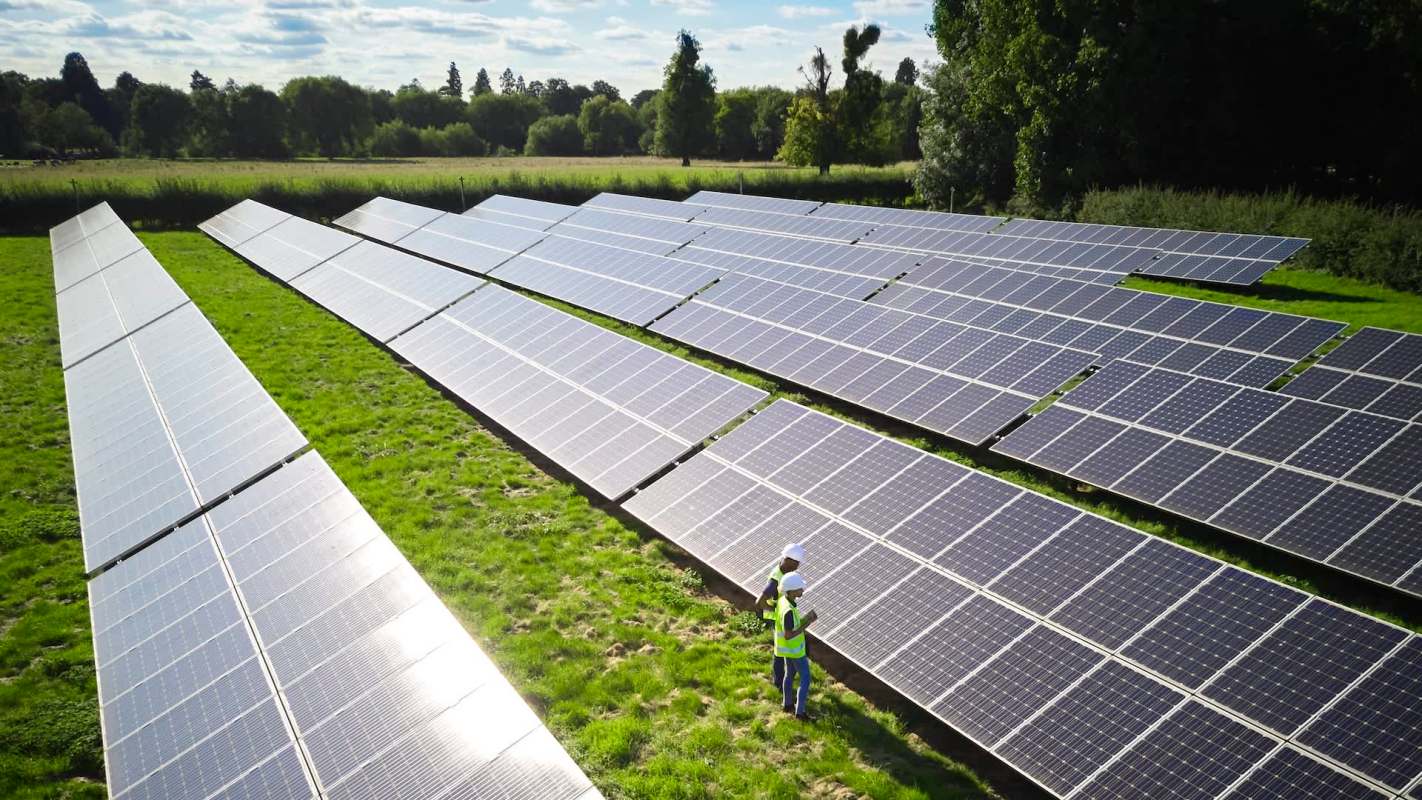
The same clear skies that worsened the heat also supercharged solar output. According to National Energy System Operator data, solar covered close to half of the U.K.'s electricity demand near midday Sunday to set a record share, per Bloomberg.
In France, that burst of renewable output sent hourly electricity prices into negative territory at about 1 p.m. Tuesday, the outlet reported.
TCD Picks » Quince Spotlight
💡These best-sellers from Quince deliver affordable, sustainable luxury for all




"Before 1989, heat waves occurred on average once every five years in mainland France," Météo-France said in a statement, per Bloomberg. "Since 2000, at least one heat wave has been recorded every summer."
On the negative side, the heat wave exposed weak points in the system. Water demand surged in parts of England, contributing to service failures that, according to Bloomberg, cut water service or pressure for hundreds of households in Kent, Sussex, and Bourton-on-the-Water.
The outlet added that wind output was weaker than usual in several countries, including Germany, Spain, Italy, and France. The relationship underscored how extreme weather can shift the clean energy mix from one hour to the next.
Why does it matter?
The story is bigger than one hot week. Bloomberg pointed out that Europe is the world's fastest-warming continent, and forecasters say hotter, drier conditions are likely to bring additional heat waves in the coming months. That means more pressure on power systems, water infrastructure, and public health.
For households, the impacts are immediately felt in higher cooling demand, greater stress on local utilities, and more risk of outages or service disruptions.
In France, officials said the heat wave was tied to at least seven deaths, including water and sporting incidents, as The Guardian reported.
The spike in solar generation offers a glimpse of a more affordable and resilient energy future. When renewable output is high, it can lower wholesale electricity costs and reduce dependence on fuel-burning power plants that worsen air pollution and planet-warming pollution.
The catch is that grids need to be prepared for these swings. While short-term power prices dropped, Bloomberg reported month-ahead prices climbed amid worries about reduced hydropower and potential nuclear cutbacks as warm rivers constrain reactor cooling.
What's being done?
Utilities and grid operators are already adapting to a world wherein solar plays a much larger role during heat events.
This surge shows how abundant sunshine can help meet demand when air conditioners are working overtime, even if low wind speeds limit other clean energy sources.

Get TCD's free newsletters for easy tips, smart advice, and a chance to earn $5,000 toward home upgrades. To see more stories like this one, change your Google preferences here.






