



Auto experts are setting the record straight on a widespread misconception about electric vehicles. In a recent TikTok, the pros at AutoTrader CA debunked the popular myth that EVs are bad for the environment.
"This one is very false," an expert from AutoTrader CA said of the myth.
@autotraderca ⚡ EVs = Worse for the Planet?! Some say electric cars are bad for the environment… but is that FACT or CAP? Drop your guess below! 👇 #ev #EVTruths #EcoMyths #carlovers #cartok #fyp #autotrader ♬ original sound - AutoTrader
Overall, EVs are much cleaner than gas-powered cars, producing dramatically lower levels of pollution over their lifetimes. As the expert explains, mining materials for the lithium-ion batteries used in EVs does have an environmental cost — but it's a one-time impact, unlike the continuous pollution generated by gas-powered vehicles.
"Even with that one-time impact, EV cars are way better for the environment than gas cars," the auto expert said.
But even with this environmental impact, the Alliance for Climate Transition Institute states that any pollution from EV battery production is offset within about two years of average driving. Meanwhile, harmful tailpipe pollution from a gas-powered vehicle is continuous and long-term over the vehicle's lifetime.
In fact, the International Council on Clean Transportation reported that a mid-size EV emits about 60-68% less pollution over its lifetime than a comparable gas-powered vehicle. And while clean-energy batteries require mining millions of tons of minerals, combustion engines depend on burning billions of tons of dirty fuels every year.
Perk up the winter blues with natural, hemp-derived gummies Camino's hemp-derived gummies naturally support balance and recovery without disrupting your routine, so you can enjoy reliable, consistent dosing without guesswork or habit-forming ingredients. Flavors like sparkling pear for social events and tropical-burst for recovery deliver a sophisticated, elevated taste experience — and orchard peach for balance offers everyday support for managing stress while staying clear-headed and elevated.
Learn more → |

And yes, charging EVs can require dirty fuel when that electricity comes from the grid. But even then, EVs require far less fuel than gas-powered cars when accounting for charging — and their environmental benefits grow even stronger when they're charged with renewable energy sources like wind and solar.
Some commenters on the AutoTrader CA TikTok raised concerns about what happens to EV batteries at the end of a vehicle's life. While this is a common criticism, modern recycling facilities can actually now recover up to 95% of critical materials — including lithium, nickel, and cobalt — from used EV batteries. Experts also note that battery technology is advancing so quickly that many batteries will soon outlast the vehicles they power.
So the experts — and the data — make one thing clear: despite lingering myths, EVs remain a far cleaner and more sustainable choice than gas-powered cars. Maybe it's time you make the switch.
|
Do you think the world is switching to EVs fast enough? Click your choice to see results and speak your mind. |
 Yes 👍
Yes 👍 
💰Get TCD's free newsletters for easy tips to save more, waste less, and make smarter choices — and earn up to $5,000 toward clean upgrades in TCD's exclusive Rewards Club.
TCD Picks » Upway Spotlight
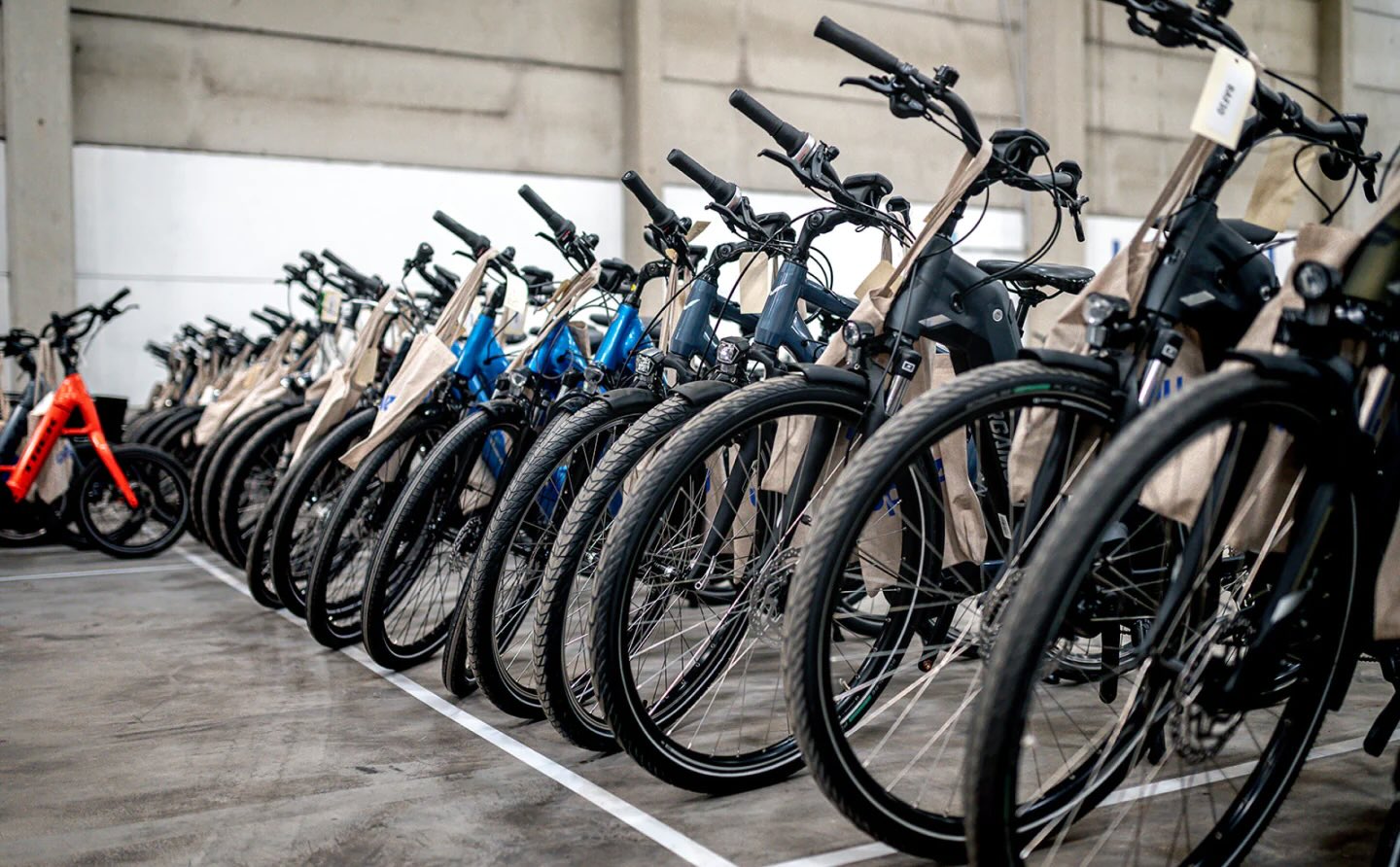
💡Upway makes it easy to find discounts of up to 60% on premium e-bike brands




Cool Picks





