


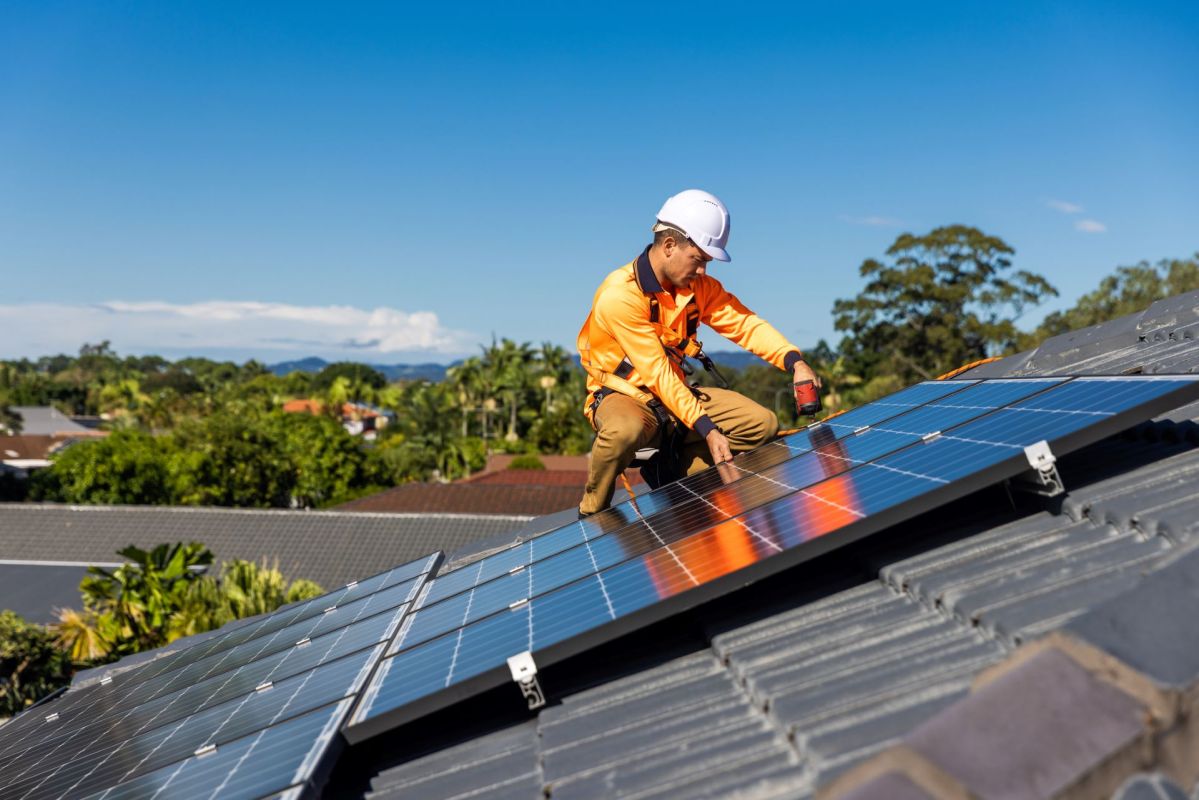
Solar panels can work a lot of magic when it comes to generating clean energy and saving money. Couple that with reducing our reliance on planet-overheating dirty energy sources, and you can see why going solar is a winning formula for so many.
But there is one magic trick that solar can't pull off, and it's one of the more persistent myths about home solar systems.
What is one of the biggest misconceptions about solar?
There's a misconception that households generating and utilizing solar power can eliminate their electric bills entirely. As Palmetto's duo of energy experts, Ryan Barnett and Andrew Giermak, have explained, there are several reasons why this lofty aspiration isn't typically possible.
One reason is simply that the sun isn't always shining. Any household that relies heavily on solar energy will want to be able to draw on another source to keep the lights on when it's nighttime or stormy. That's why the vast majority of households leveraging solar are still connected to the grid.
With that reality comes utility service charges. These appear on your electric bill, and some charges, such as customer service, may still be incurred regardless of your use of grid-based power.
Two additional reasons why solar energy users may still receive an electricity bill are related to households that generate excess solar power.
Unfortunately, just because you pull in a lot of solar energy doesn't usually mean that you can expect to store it all in order to drop your utility company completely. The reason for that? The batteries that store excess solar energy are generally quite expensive, and getting enough storage for extended periods will be impractical for many homeowners. Thus, the grid remains a good backup.
Net metering can be a great option for those who produce more solar energy than they can use at home. The process involves the utility company compensating you for the excess solar power you've generated, with that clean energy then contributing to the grid's energy mix. To benefit, you'll need to have a utility company that offers this service. Additionally, the net metering terms and electric rate can impact your bill.
Get $1,000 cash to slash your bills with rooftop solar panels for $0 down and low monthly payments Whatever your solar budget, Palmetto can help you save. If you want to buy your own panels, Palmetto's advisors can help you save up to $10,000 on installation through a network of preferred installers. And if you'd rather get solar savings without upfront costs, Palmetto's revolutionary LightReach subscription program can deliver — including an exclusive $1,000 cashback offer for TCD readers. LightReach lets you lease solar panels with no money down, making it painless to lock in long-term savings of up to 33% off your current power bill. Palmetto covers a 25-year warranty for the panels, which means you'll get reliable performance without unforeseen costs. To get started, just book a short meeting with Palmetto's experts to explore your options and find the solution that's right for you. |

As Barnett and Giermak put it, when it comes to a nearly-zero utility bill, "You can never fully guarantee [it]."
Why is it important to understand these aspects of your electric bill?
Breaking down the realities of your electric bill is crucial for understanding all the benefits that solar power can offer — and for determining whether and when to purchase your own home solar panels.
|
What's the biggest factor preventing you from investing in solar power?
Click your choice to see results and speak your mind. |
 The cost 🫰
 If purchasing panels is a solid option right now, EnergySage can help you on that journey with free tools and quotes from its trusted network of installers.
For households that find the cost of purchasing solar panels prohibitive, leasing them instead can be an excellent alternative, enabling residents to tap into the benefits of solar energy without the daunting upfront expenditure. Palmetto's Lightreach program is a pathway to leasing with numerous options, including plans with no money down.
Installing battery storage, managing your home energy usage, and enrolling in net metering are all ways to keep your bill as low as possible. Understanding your utility company's fees, your local weather's impact on power generation, and the solar offset of your system can also provide valuable insights.
If you're still grappling with the buy or lease decision, Barnett and Giermak have laid out the pros and cons to help you sort things out. Either way, you're still likely to end up with some kind of electric bill each month. The good news? It might be greatly reduced — just like your household's impact on the planet.

Join our free newsletter for easy tips to save more and waste less, and don't miss this cool list of easy ways to help yourself while helping the planet.
Cool Picks


