


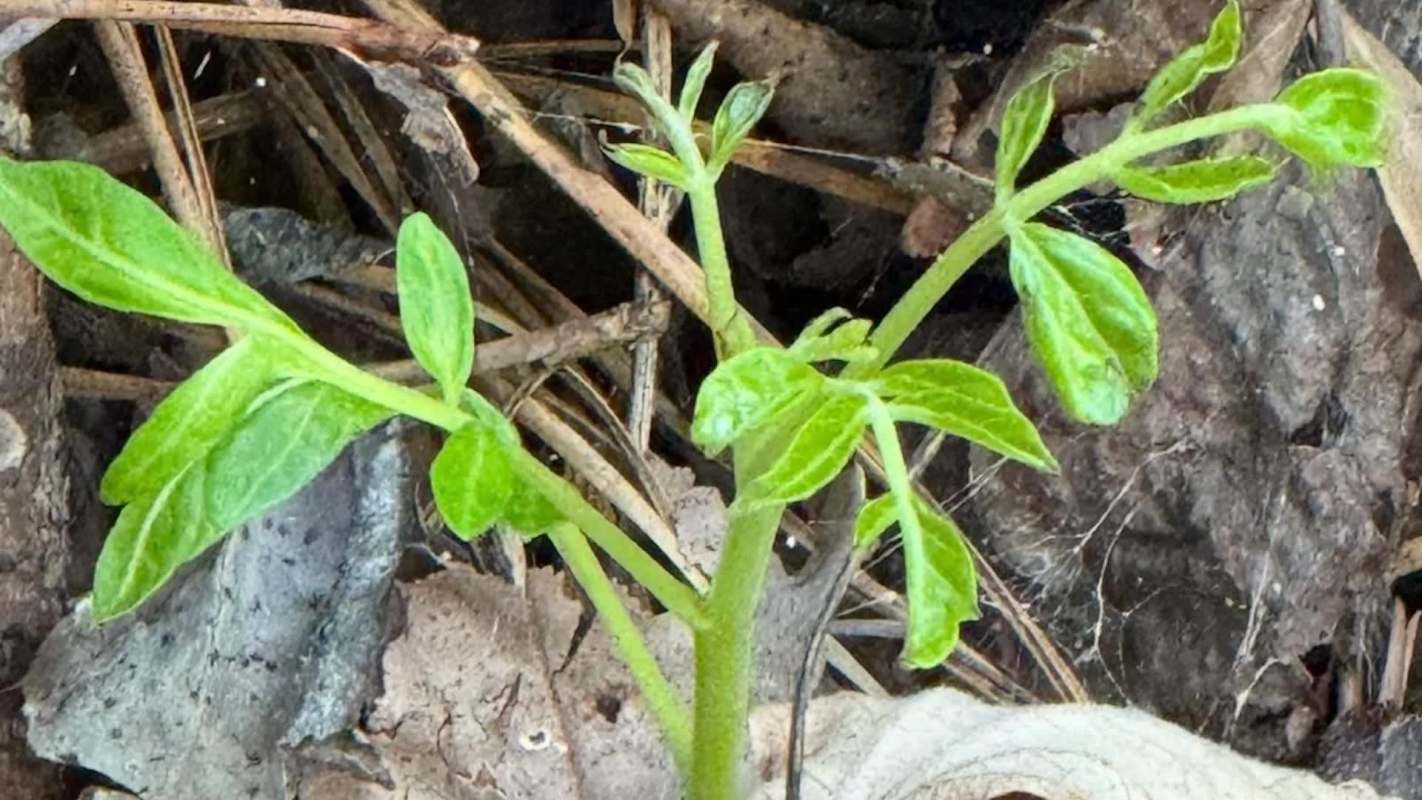
A homeowner battling one of the country's most stubborn invasive trees says the breakthrough did not come from a major yard overhaul. Instead, they told the r/invasivespecies subreddit that it came from a small but relentless habit of checking the property every day for fresh shoots.
That daily patrol, they said, helped cut tree of heaven root suckers by 95%.
What's happening?
On Reddit, a homeowner outlined the approach they have been using against root suckers from tree of heaven, or Ailanthus.
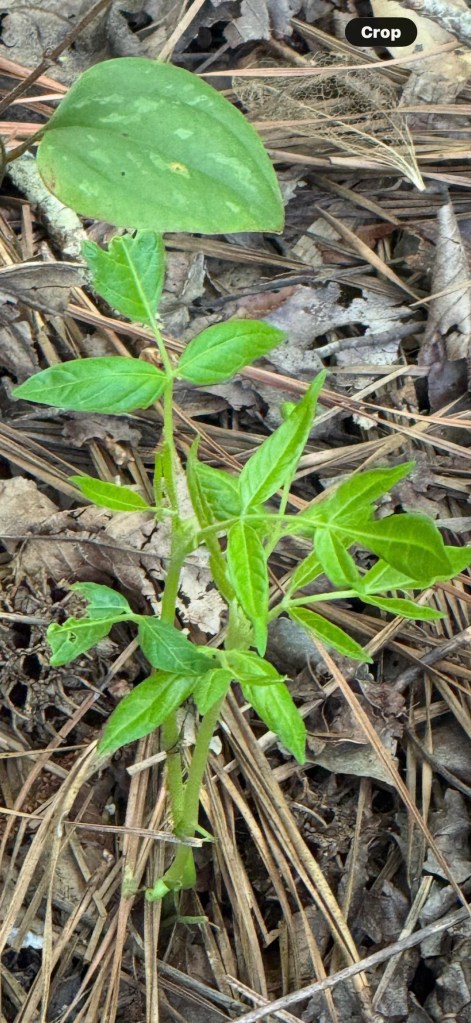
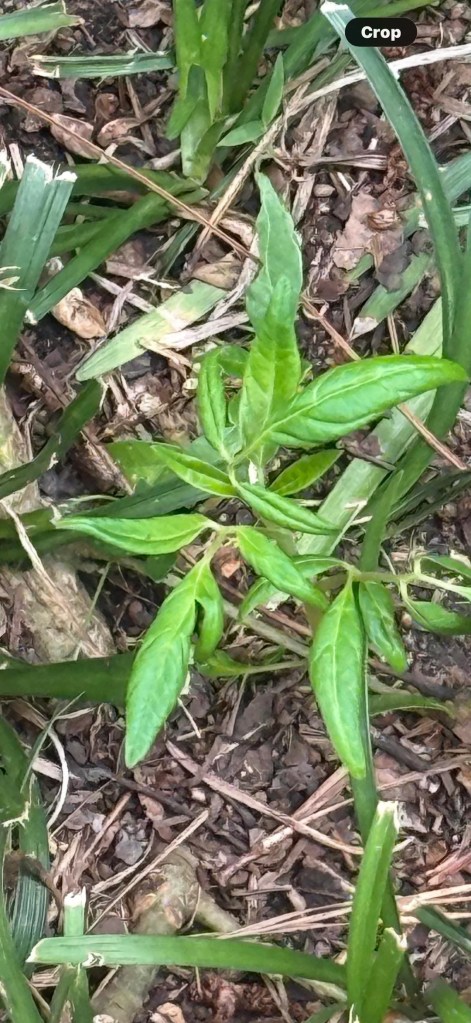
According to the post, there are no standing trees left on the property. But after about 5,000 square feet were tilled for sod, the homeowner said a large underground root network seems to have been activated.
Instead of waiting for the problem to spread, they said they started identifying repeat trouble spots, marking them, and making a daily morning sweep of the yard so any new suckers could be handled quickly.
The post also said that when exposed roots were located, the homeowner would cut into them and put triclopyr on the fresh opening right away, then keep circling back to the same areas over time.
TCD Picks » Quince Spotlight
💡These best-sellers from Quince deliver affordable, sustainable luxury for all




They added that they sometimes watered bare sections deliberately to draw out more suckers sooner, with the idea that early growth would be easier to spot and treat before it got established.
"You're an inspiration," one commenter wrote. "The root aggregation area theory is interesting. I'd love to find a honey pot to douse with my special poisons."
Not everyone in the thread agreed with every detail. Some commenters questioned whether all of the photos showed tree of heaven, which the headstrong original poster adamantly protested.
One commenter cautioned that "the science is quite clear on doing less," though their post was downvoted.
Why does it matter?
Tree of heaven is more than a backyard nuisance. It spreads aggressively, can send up new shoots from its roots after cutting or soil disturbance, and crowds out other plants that homeowners actually want to grow.
A yard overtaken by invasive plants is harder to use for growing food, and that can mean missing out on one of gardening's biggest benefits: saving money on produce while getting fresher, better-tasting fruits and vegetables.
Gardening can also offer major mental and physical health benefits. Pulling weeds, checking beds, and tending plants can add light movement to your day while creating a calming outdoor routine.
Tree of heaven is also a favored host of the spotted lanternfly, an invasive insect that can harm grapes, fruit trees, and other plants.
What can I do?
If you think tree of heaven is popping up on your property, the first step is making sure you have identified it correctly. Several plants can look similar when they are young, and commenters in the thread pointed out that misidentification can send homeowners down the wrong path.
From there, consistency matters. Whether you use manual methods, herbicides, or a mix of both, repeated monitoring is often necessary because disturbed roots can keep sending up new growth.
If you use herbicides, follow the product label and local guidance carefully. Even if chemical treatment is sometimes part of invasive species control, reducing unwanted growth can help open up space for food gardens, native plants, and healthier outdoor living.

Get TCD's free newsletters for easy tips, smart advice, and a chance to earn $5,000 toward home upgrades. To see more stories like this one, change your Google preferences here.






