


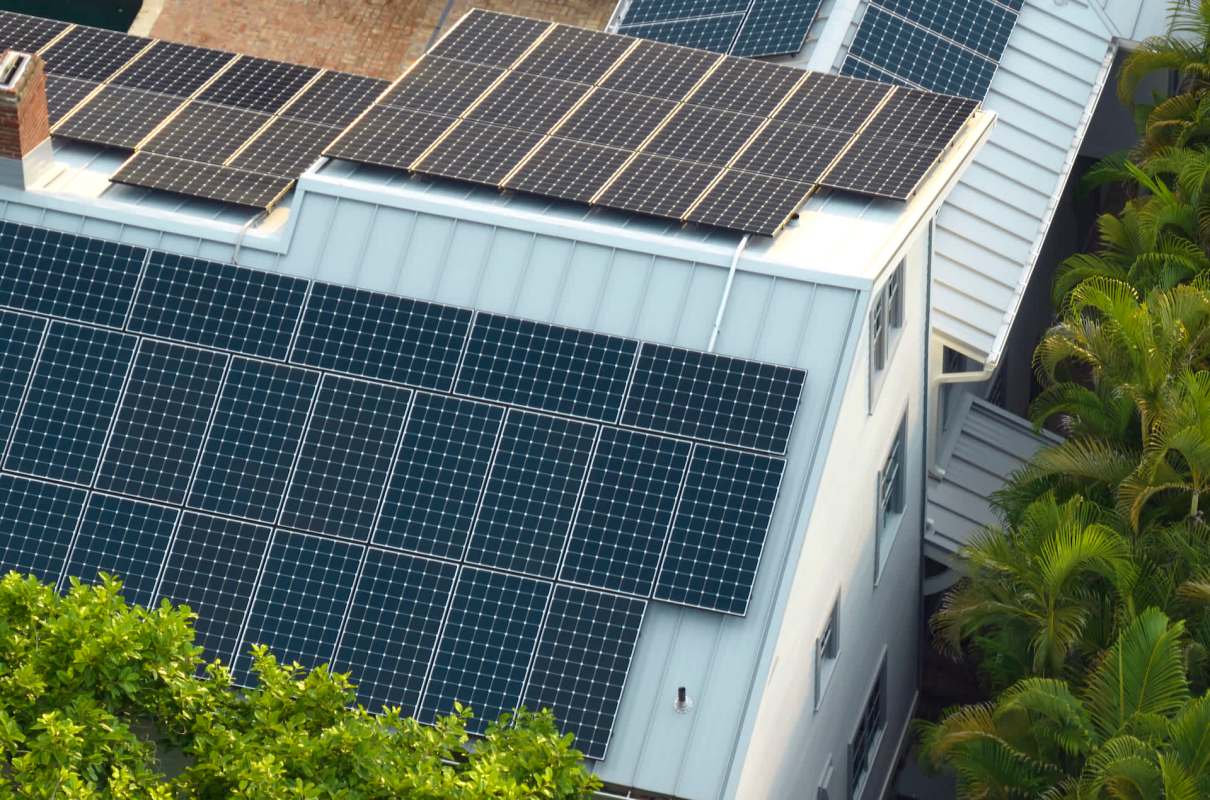
For homeowners considering solar panels, their biggest question is often whether the investment truly pays off. After four years of solar panel ownership, one Australian homeowner now has an answer — along with thousands of dollars in savings.
Homeowner Neerav Bhatt recently posted a YouTube video detailing his journey with home solar panels, including the system's effect on his bank account. Over 1,554 days, Bhatt saved more than $5,600 by going solar. That's an average of more than $1,000 in savings per year. Notably, a portion of those savings comes from energy credits he earns by producing excess electricity, which his local utility pays him for.
The initial investment of installing his solar panel system was $10,000, which isn't anything to sniff at. But when considering the various warranties, including 10 years on the inverter and 20-30 years on different parts of the panels, Bhatt said the solar system is guaranteed to return his investment — and then some.
"This solar system will save us way more than what we paid for it," Bhatt said in the video. "But it also means we get energy independence and no bill shock. That is awesome."
Solar power is one of the cleanest energy options available to homeowners. Unlike the energy grid — which is still largely powered by dirty energy sources like gas, oil, and coal — solar energy produces virtually no pollution.
But the benefits aren't just environmental. Solar is also one of the most effective ways to lower home energy costs. While the upfront investment in solar can be significant, most systems pay for themselves in about seven years. After that, the electricity generated is essentially free.
For U.S. homeowners considering the switch, EnergySage is a free online resource that makes the process so much easier. EnergySage's comprehensive tools allow you to compare solar quotes, calculate potential savings, and see how much federal and state solar incentives could save you.
On average, EnergySage users claim nearly $10,000 in credits and incentives for solar purchases and installations, making a major difference in overall affordability. The site's solar support means you can shop smarter, avoid hidden fees, and ensure you're getting the best deal available.
Save $10,000 on solar panels without even sharing your phone number Want to go solar but not sure who to trust? EnergySage has your back with free and transparent quotes from fully vetted providers that can help you save as much as $10k on installation. To get started, just answer a few questions about your home — no phone number required. Within a day or two, EnergySage will email you the best local options for your needs, and their expert advisers can help you compare quotes and pick a winner. |

EnergySage also offers a helpful state-by-state mapping tool that shows the average cost of home solar panel systems in your area, along with detailed information about available incentives in each state. These resources can help you get the best price for home solar — all while making sure you don't miss out on valuable incentives.
But federal solar incentives won't be around much longer due to recent legislation, which promises to end clean energy tax credits, including solar savings incentives. Homeowners are still currently eligible to claim the current 30% solar tax credit — but only if their solar panel installation is complete by the end of 2025.
If you're considering the switch, it's a smart idea to explore your options now and take full advantage of clean energy savings while you can.
|
What would it take for you to get rid of your gas stove?
Click your choice to see results and speak your mind. |
 I'd pay for it myself 💪
Join our free newsletter for easy tips to save more and waste less, and don't miss this cool list of easy ways to help yourself while helping the planet.
More From EnergySage
💡Go deep on the latest news and trends shaping the residential solar landscape




Cool Picks


