


A Florida neighborhood known for its mature live oaks could soon look very different as a homeowners association moves ahead with a plan to remove and replace hundreds of trees.
For some residents, the concern is not only the potential loss of shade and neighborhood character, but also how little information they say was shared before the proposal moved forward.
What's happening?
Homeowners in Palm Beach Gardens say they have gotten sparse direct notice about a tree project in the Isles that could ultimately remove and replace up to 600 mature live oaks. The first phase would cover 170 trees, and the HOA is close to receiving city approval, according to WPTV.
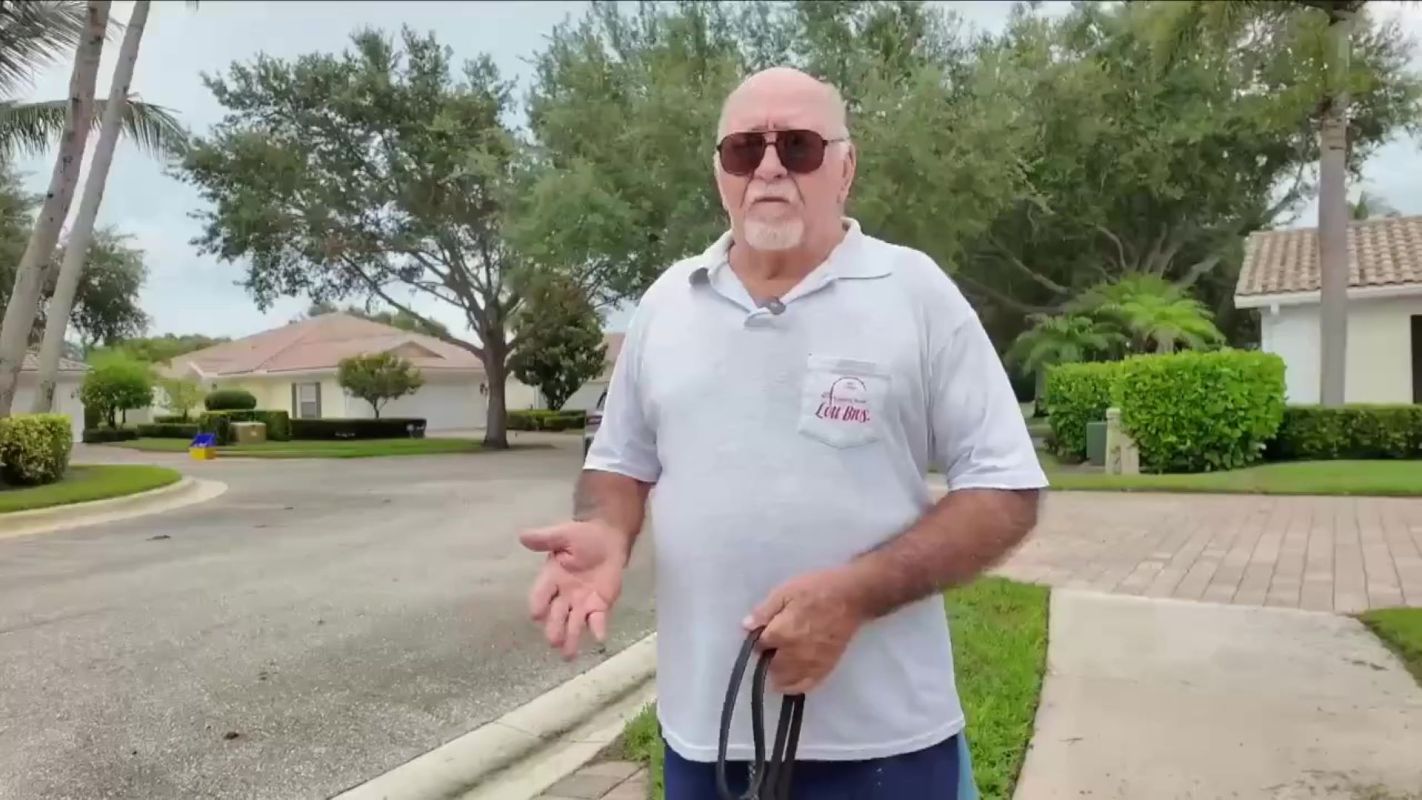
Isles resident Tim Wagman said the trees are a big part of what gives the neighborhood its identity.
"It kind of gives character to the neighborhood," Wagman said.
At the same time, Wagman — who is visually impaired and uses a guide dog named Summer — said the trees' roots are lifting and cracking sidewalks, creating a safety hazard for people walking through the community.
TCD Picks » Quince Spotlight
💡These best-sellers from Quince deliver affordable, sustainable luxury for all




Because live oaks are a regulated native species in Florida, each removal requires a permit. ISA Certified Arborist C. Way Hoyt, who spoke with WPTV, said any decision to take trees out should follow a tree-by-tree review. The HOA board declined to comment.
Why does it matter?
The dispute highlights a tension between accessibility and aging infrastructure on one side and preserving mature trees and neighborhood character on the other.
Large trees can cool homes and streets, provide habitat, and help reduce the urban heat island effect. Removing hundreds of mature oaks at once could dramatically change the look and feel of the neighborhood for years, even if replacement trees are eventually planted.
Hoyt told WPTV that removing all the trees and starting over may only delay the same sidewalk problems instead of solving them permanently.
"They're kicking the can down the road. They may get another 10, 15, even 20 years out before they are disrupting sidewalks and streets again," Hoyt said.
Across the country, HOAs have further faced criticism for blocking or complicating money-saving home upgrades, including rooftop solar panels and native plant lawns.
What can I do?
Residents can review governing documents, attend board meetings, and work with neighbors to push for clearer notice requirements on major landscape or infrastructure changes. For anyone trying to navigate those rules, learning how to work with HOAs offers practical steps for changing bylaws and advocating for community improvements.
In tree-removal disputes, residents may also want to press for certified arborists to evaluate specific trees instead of signing off on a broad removal plan.
WPTV noted that Hoyt said the better approach is, "To identify which trees do need to come out, which trees can use root barrier, and which trees are just fine the way that they are."
"I think maybe the safety hazard outweighs the character that they give," he said.
But he also added, "I wish the community would put out more information to the residents, so you didn't have to go with the rumor mill."

Get TCD's free newsletters for easy tips, smart advice, and a chance to earn $5,000 toward home upgrades. To see more stories like this one, change your Google preferences here.






