


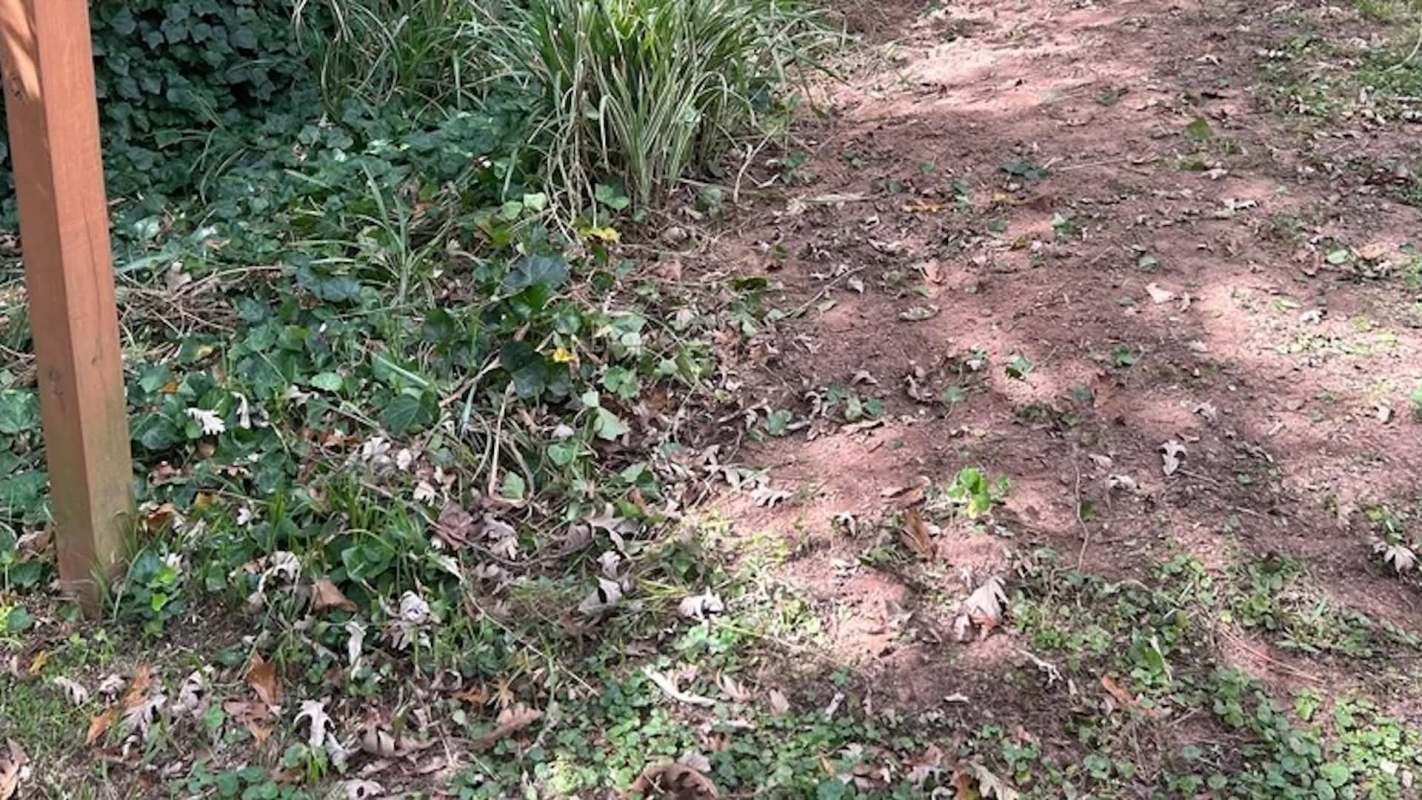
While it may look charming, English ivy comes with an aggressive side.
English ivy has become a highly invasive species in many regions, spreading rapidly through forests, parks, and residential areas. Its dense growth smothers native plants and weakens trees.
One Redditor from the r/landscaping subreddit knows all too well about the invasive vegetation, as they shared a stunning before-and-after post of the work they did to remove the ivy.
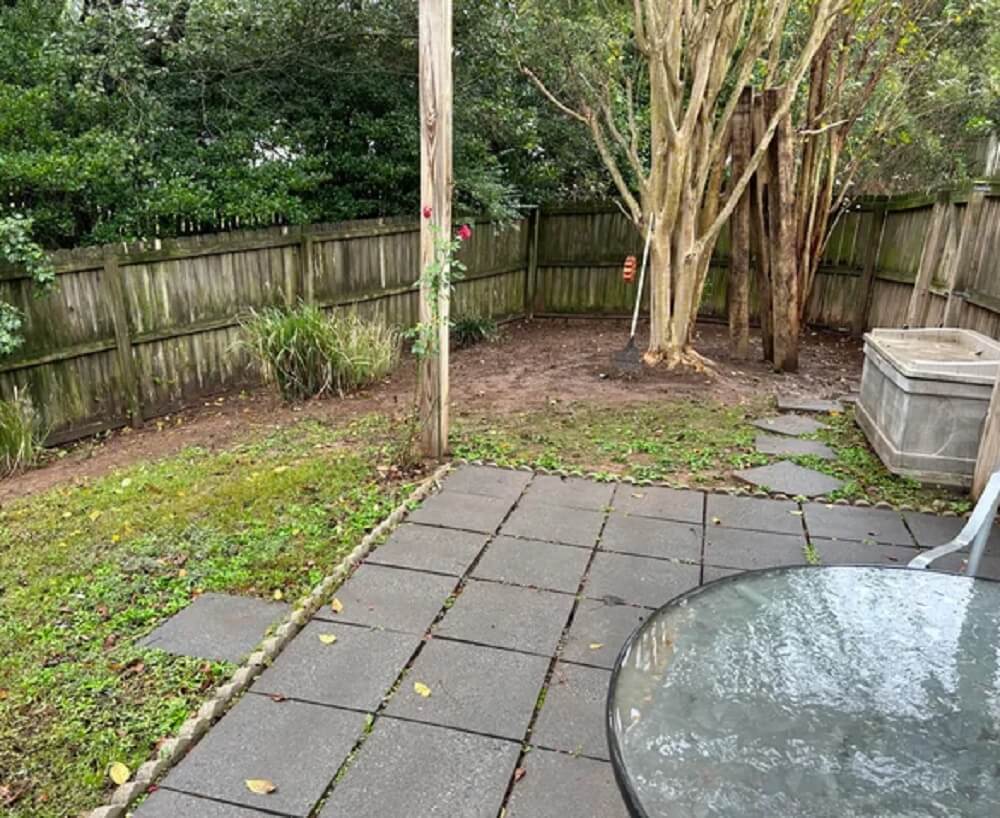
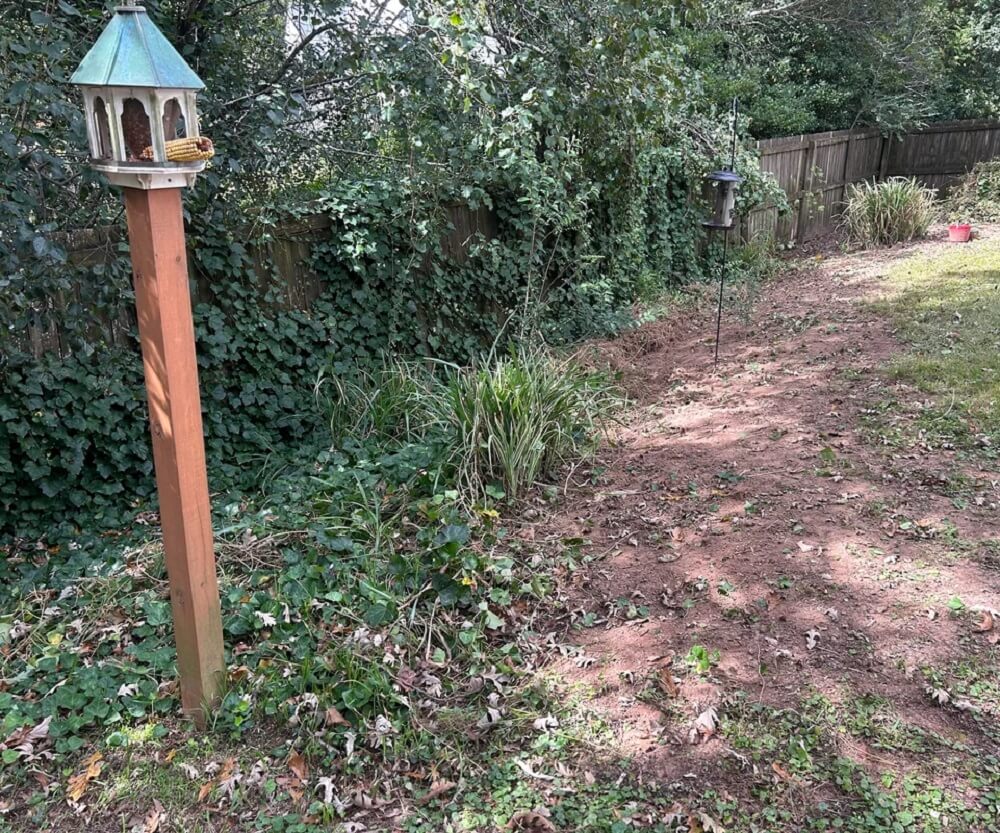
"[The project] took three days," the caption said. However, the original poster isn't in the clear just yet.
Like many invasive plant species, English ivy is absolutely relentless. Its ability to rebound quickly after removal means homeowners must stay vigilant to prevent it from taking over again.
As a commenter explained to OP, "Unfortunately, now you have to keep up on it each spring for a couple of years to keep it gone, or else you go right back to where you started."
While the job isn't done yet, invasive plant removal is incredibly hard work and a great start that deserves accolades.
One user commented, "I have found English ivy removal to be a very rewarding project. Good job!"
Not only are invasive plant species like English ivy a massive headache for homeowners, but they can also wreck an entire ecosystem.
Invasive plants outcompete native species for light, water, and nutrients while aggressive vegetation disrupts the natural food webs that local wildlife depend on.
TCD Picks » Quince Spotlight
💡These best-sellers from Quince deliver affordable, sustainable luxury for all




|
What's the hardest thing about taking care of your yard? Click your choice to see results and speak your mind. |
 Mowing the lawn 🏡
 When native plants are crowded out, the insects, birds, and small mammals that rely on them lose essential habitat and food sources. Add these effects up over time, and this imbalance weakens biodiversity and leaves ecosystems vulnerable to disease and pests.
For homeowners like OP, invasive species can turn into a costly and time-consuming headache. Even just tiny root fragments are enough for plants like English ivy, bamboo, and kudzu to regrow.
Homeowners looking for a more manageable and more eco-friendly yard should consider implementing a native-plant lawn.
Native plants are naturally adapted to local conditions — meaning they require far less water, fertilizer, and overall upkeep. By landscaping with region-appropriate species, homeowners can save time on maintenance, cut back on costly lawn-care inputs, and lower their water bills while supporting local ecosystems.
For those eager to take a deeper dive into transforming their outdoor spaces, rewilding is an increasingly popular approach.

💰Get TCD's free newsletters for easy tips to save more, waste less, and make smarter choices — and earn up to $5,000 toward clean upgrades in TCD's exclusive Rewards Club.
Cool Picks




