


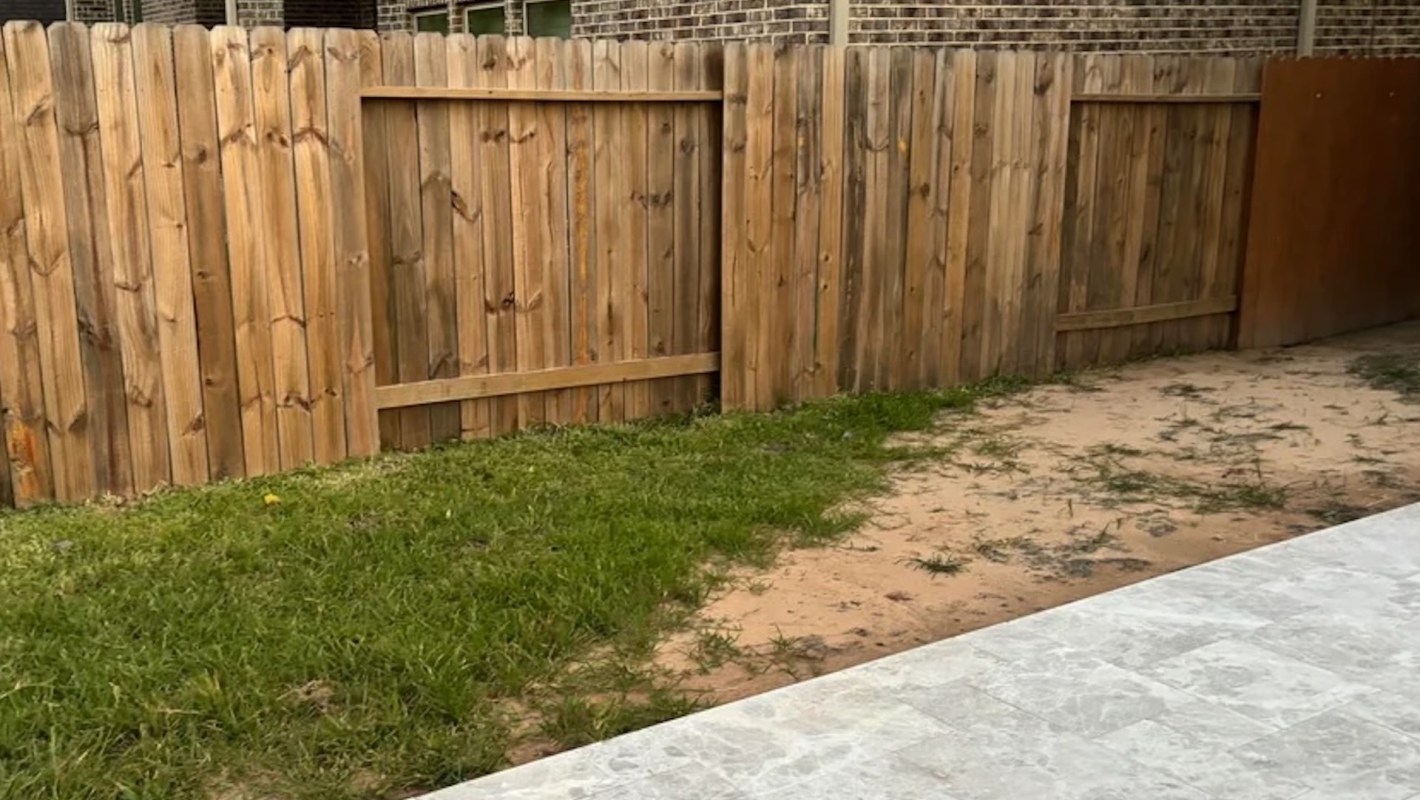
Several Redditors warned one homeowner not to go the artificial turf route after they posed the question, "Should I just bite the bullet and do it?"
The homeowner shared a few photos of their backyard with grass surrounding an in-ground pool, explaining that their wife wants turf installed — a project the homeowner says will cost $12,000.
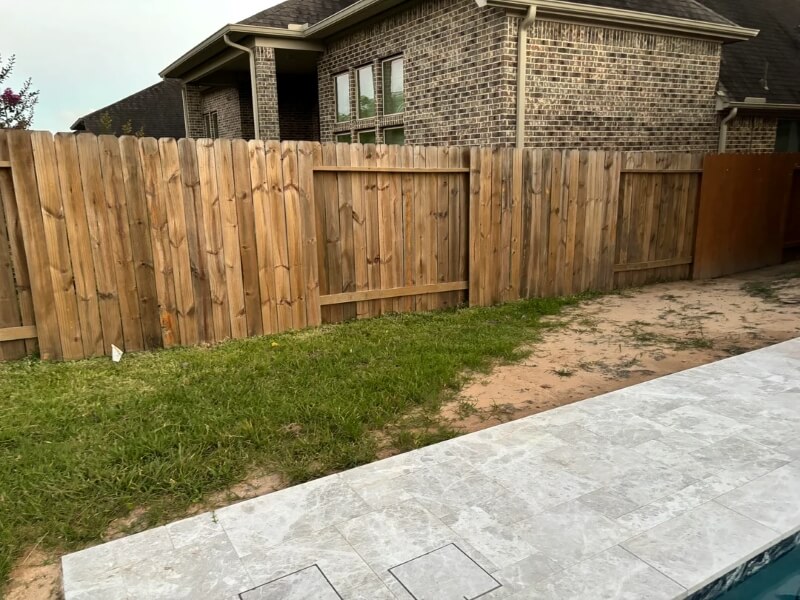
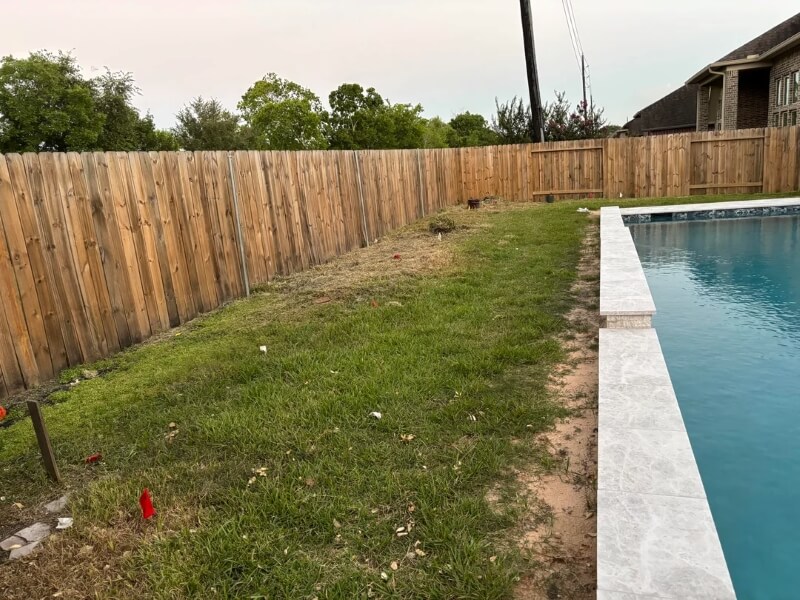
Most commenters warned the homeowner to stay away from turf, with one saying, "Absolutely not. Just get a different type of grass that is more tolerant."
When the original poster asked how to keep mowed grass from getting into the pool, some advised them to bag clippings or point the mower's chute away from the pool.
What's the problem with artificial turf? It seems like a quick, manageable fix for unruly yards and backyard maintenance. However, it often causes more problems than it solves.
For starters, turf can be expensive. According to LawnStarter, artificial turf costs most homeowners around $7,000 to $9,000 to install. If you want higher quality grass, like nylon, expect to pay even more.
Maintaining a turf yard isn't as easy as you might think, either. You'll need to clean it regularly — something you don't need to worry about with real grass. Plus, you may need to replace it every eight to ten years to keep it looking its best. That's because it's made largely of plastics, which break down over time.
In addition to plastics, turf contains a large number of chemicals, like volatile organic compounds, which are harmful to people and pets. According to Clean Water Action, research found that all studied turf samples contained lead. Lead exposure can cause multiple health issues, including heart and brain development problems.
Another major concern over turf is the PFAS, or "forever chemicals," it contains, which break down slowly, and sometimes not at all. They're linked to cancer, immune system issues, and reproductive harm, among other problems. Once PFAS enter the environment, they leach into soil and groundwater and become nearly impossible to remove.
Installing turf also replaces natural grasses and plants with artificial ones. Turf offers no shelter or food for wildlife. It's not a living landscape, so animals and pollinators can't rely on it like they would if you maintain a natural lawn.
TCD Picks » Quince Spotlight
💡These best-sellers from Quince deliver affordable, sustainable luxury for all




|
What's the hardest thing about taking care of your yard? Click your choice to see results and speak your mind. |
 Mowing the lawn 🏡
 Native lawns are healthy habitats for pollinators, which play an important role in protecting our food supply. Garden for Wildlife also notes that natural lawns can improve soil health and protect insects and pollinators in the winter when your native grass goes dormant.
Upgrading your yard with native plants and grasses can also save you lots of upkeep. Even replacing part of your yard with eco-friendly options, like xeriscaping or planting buffalo grass, can reduce maintenance.
With all the downsides in mind, it's no surprise that commenters chimed in to discourage the turf idea.
One joked, "Omg no. Find a new wife."

Join our free newsletter for easy tips to save more and waste less, and don't miss this cool list of easy ways to help yourself while helping the planet.
Cool Picks






