


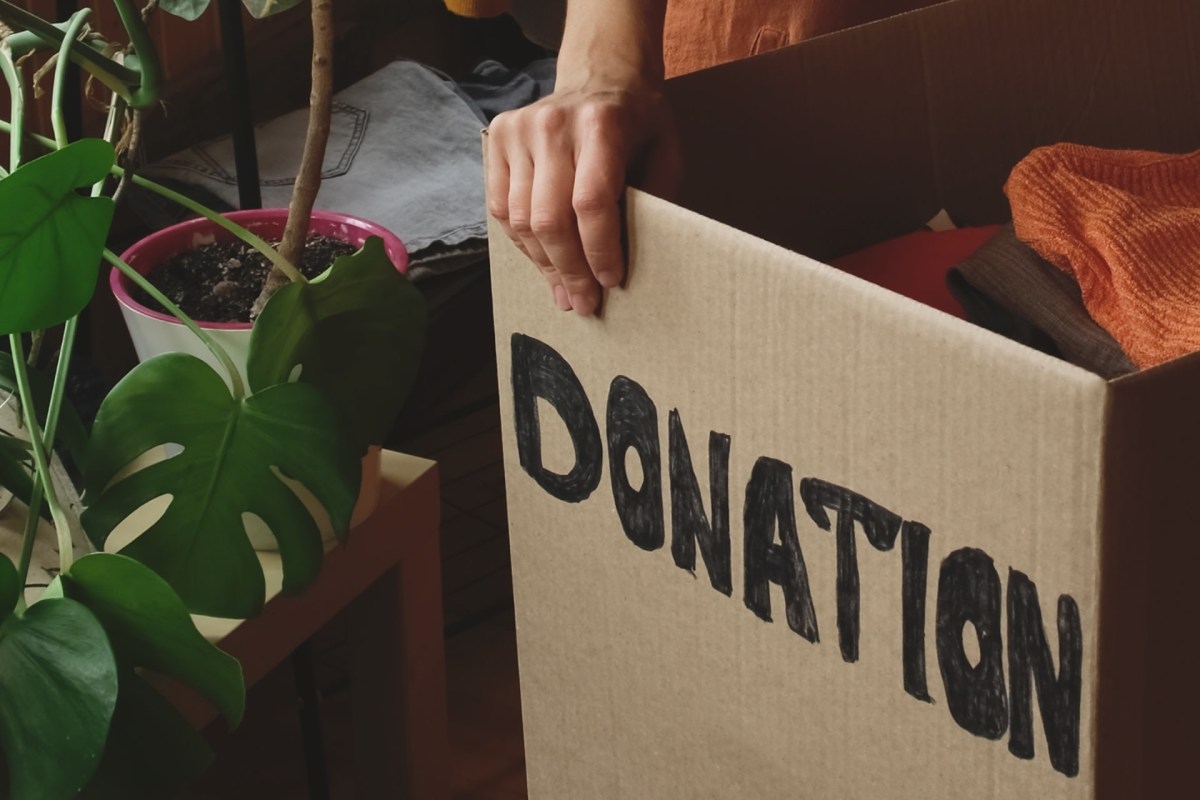
Dropping off bags of old clothes often feels like the eco-friendly choice — one small, mutually beneficial act of spring cleaning that also helps others. But much of what we donate doesn't end up where we imagine.
Instead of being redistributed to thrift stores or community members in need, enormous volumes of secondhand clothing are shipped overseas.
"We've all done it… dropped a bag of torn tees and threadbare shorts in the neighborhood recycling bin," in hopes that "these cast-offs will now go to help someone less fortunate," wrote Charlie Campbell, a reporter in Ghana.
Campbell's exposé in TIME Magazine discloses the donation drop-box's false promise: "Sadly, this is often just fantasy."
What's happening?
Unwanted clothes that are shipped overseas end up in places like Kantamanto, in Accra, the capital city of Ghana. Kantamanto market alone receives 15 million garments every week. Traders buy these shipments at great personal risk, only to discover that many of the items are unsellable. What can't be resold often ends up burned or dumped, poisoning communities and making a preexisting waste crisis worse.
Why is this secondhand market important?
Kantamanto market is a major job source in Accra, providing consistent work for thousands of Ghanaians. The problem lies in the scale of global consumption, exacerbated by fast fashion trends. Earth.org reported that "of the 100 billion garments produced each year, 92 million tonnes [over 101 million U.S. tons] end up in landfills," or at the Kantamanto market.
The dramatic influx of cheap, synthetic fabrics like polyester, nylon, and acrylic has posed a problem for the skilled tailors at Kantamanto. They cannot repair, upcycle, and resell these cheap garments. Not to mention, these textiles don't break down easily; they last for decades or centuries, leaching PFAS and microplastics into soil and water.
In Ghana, this has contributed to the dire pollution of Korle Lagoon, the "most polluted spot on Earth," Ghana President John Mahama told TIME.
What's being done about fast fashion waste?
Amid the damage, some hopeful solutions are emerging. Organizations like Ghana's The Revival NGO are rescuing millions of garments from landfills, transforming them into upcycled clothing, rugs, and even bricks for sustainable housing.
"Over the last two years alone, they've rescued 7 million garments from landfill, with the eventual aim to process 12 million a year," wrote Campbell. "Two million garments have been recycled just through a partnership with London's V&A Museum, which sells jackets, kimonos, and bags produced by The Revival from landfill waste."
TCD Picks » Quince Spotlight
💡These best-sellers from Quince deliver affordable, sustainable luxury for all




|
Which of these factors would most effectively motivate you to recycle old clothes and electronics?
Click your choice to see results and speak your mind. |
 Giving me money back 💰
 Though inspiring, these efforts cannot keep pace with the global tide of fast fashion, and a changing climate is only exacerbating vulnerabilities. Earlier this year, a devastating fire swept through Kantamanto, destroying the livelihoods of many traders. But The Or Foundation quickly mobilized, securing support from international fashion brands and providing emergency relief to those most affected. Its work continues, with its mission to create "regenerative alternatives to the dominant model of overproduction and overconsumption in the fashion industry."
For those seeking to live more sustainably, the lesson is clear: Donating isn't a substitute for consuming less. The Ghanaian government is working to compel fashion brands to reject fast fashion and craft better quality clothes that pass the test of time. As consumers, we can "wear clothes for longer, repair rather than discard old garments, and only deposit still wearable items into those recycling bins."

Join our free newsletter for easy tips to save more and waste less, and don't miss this cool list of easy ways to help yourself while helping the planet.
Cool Picks






