


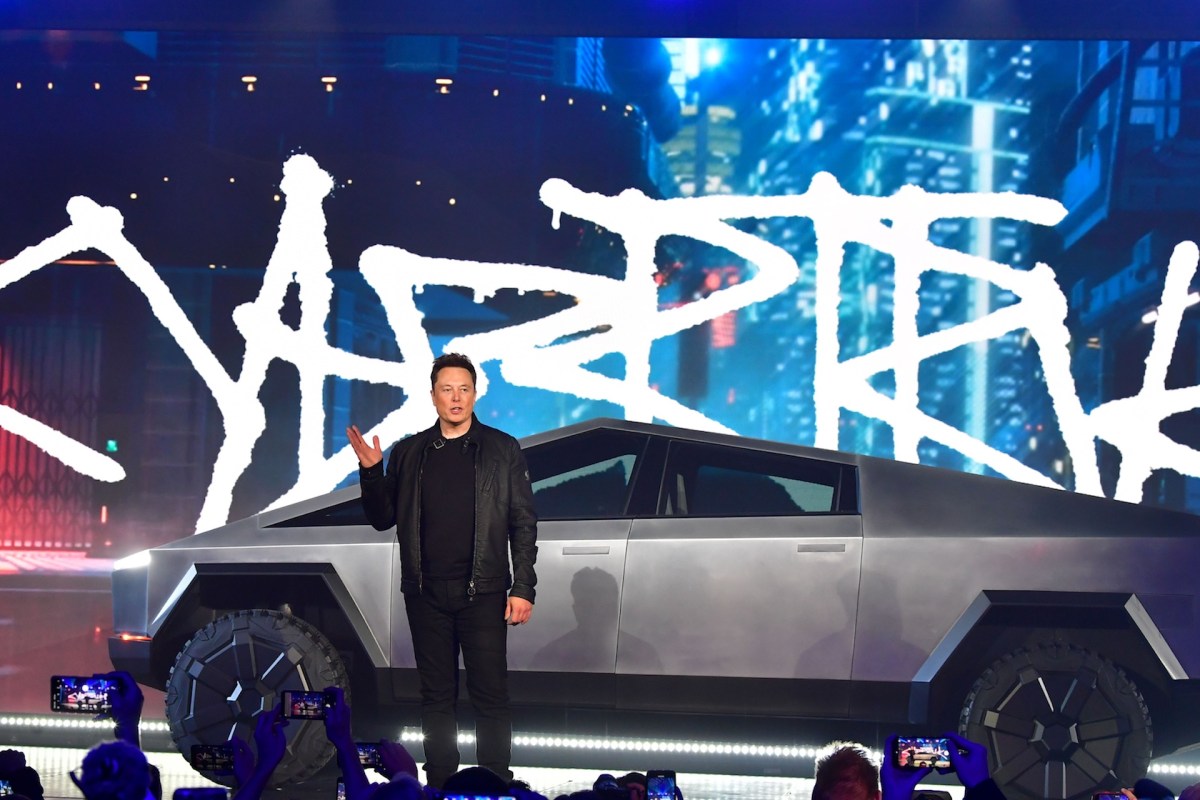
While other electric vehicles are selling well, Tesla Cybertruck sales are flatlining. Consumer demand has collapsed, leaving CEO Elon Musk to sell off inventory to his other companies.
What's happening?
According to The Verge, Cybertruck sales have plummeted this year. Though Tesla has not released specific sales figures, market analysts expect total sales to reach approximately 20,000 units — far below Musk's prediction of 250,000 annually.
Why isn't the Cybertruck faring well? One reader noted that it was always going to be a tough sell.
"Truck fans are very loyal to their brands," they commented, which could explain why traditional drivers have remained lukewarm about the Cybertruck.
Controversies — including multiple lawsuits, concerns about build quality, and staffing shortfalls — may be contributing to the dip in sales.
Why is this issue concerning?
The Cybertruck's decline suggests that flashy technology alone won't drive a clean transition. It has also become a cautionary tale about hype, waste, and misplaced priorities in the electric vehicle race.
TCD Picks » Quince Spotlight
💡These best-sellers from Quince deliver affordable, sustainable luxury for all




But this downturn is more than a matter of market share. When a flagship EV falters, it reinforces skepticism about EVs replacing traditional vehicles, especially among consumers who already feel priced out or uncertain about range and reliability.
When those doubts spread, EV adoption slows at a time when every new switch lowers the levels of heat-trapping gases in the atmosphere.
Transport produces about 28% of this pollution, most from cars and trucks, which contribute nearly 80% of the sector's share.
Meanwhile, research from the International Council on Clean Transportation shows that battery electric cars produce 73% less harmful gases — and up to 78% less when powered by renewable electricity — than gasoline cars over their life cycles.
|
Would you rather have a Tesla or a Corvette? Click your choice to see results and speak your mind. |
 Tesla 🚙
 What's being done about the issue?
According to The Verge, Tesla has redirected unsold Cybertrucks to SpaceX and xAI to replace gas vehicles in their fleets. Essentially, Musk is buying Cybertrucks from himself.
On the brighter side, other EV models, including Tesla's Model 3 and Y, are selling well. EVs are getting cheaper, easier to charge, and better supported by policy, driving market growth, according to the International Energy Agency's global EV outlook.
Futuristic EVs that few people use do little to advance sustainable transportation. Real progress depends on smart design, responsible production and steady demand for electric vehicles that meet everyday needs.

Join our free newsletter for good news and useful tips, and don't miss this cool list of easy ways to help yourself while helping the planet.






