


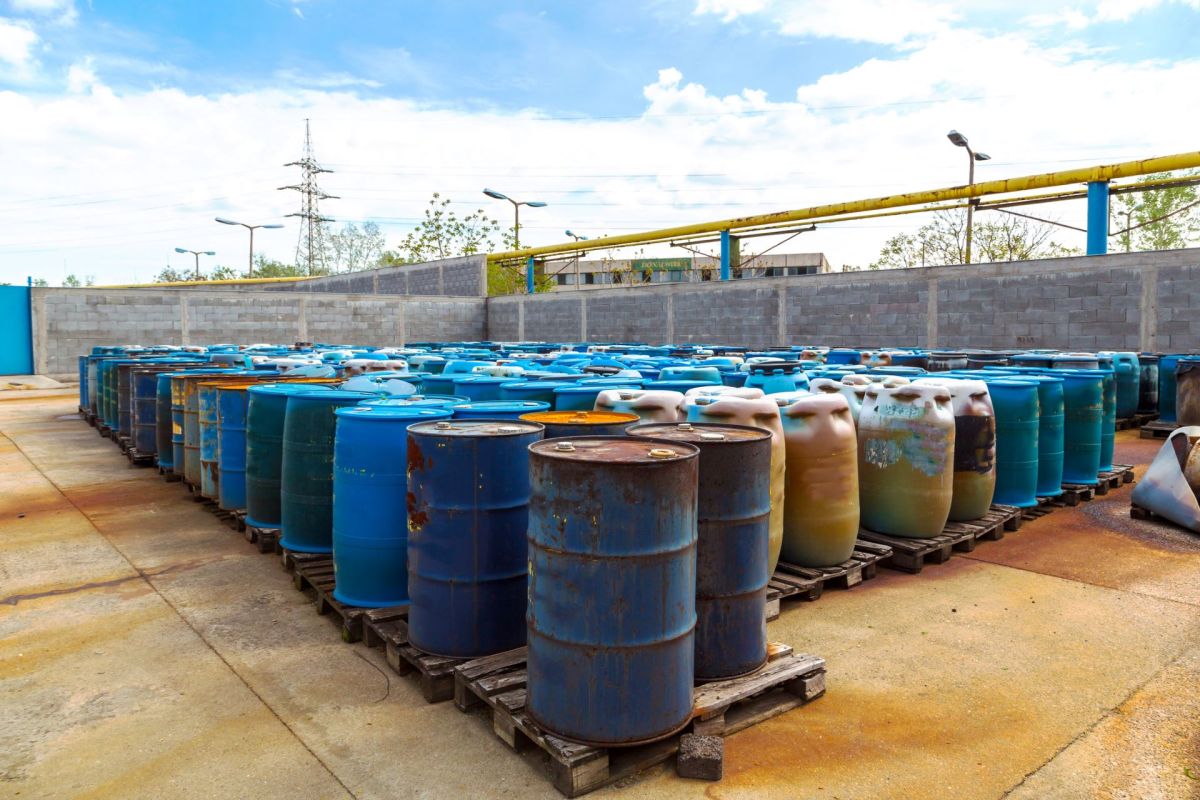
A major cleanup breakthrough at one of the United Kingdom's most challenging nuclear sites is offering fresh optimism for the effort to tackle legacy radioactive waste.
At Sellafield in Cumbria, engineers successfully removed 70 tonnes of nuclear waste from the Magnox Swarf Storage Silo — one of the facility's most hazardous and historically difficult structures — and transferred it into modern, secure storage, the BBC reported.
It's a milestone decades in the making. When the silo was built in the 1960s, there was no plan for how to retrieve it. Engineers spent over 20 years developing a safe and practical solution, and active retrieval finally began in 2022. Since then, workers have cleared so much waste that a 23-foot crater has formed at the center of the pile.
That, however, introduced a new engineering challenge: The surrounding waste was at risk of collapsing inward. To address it, Sellafield designed and built a 1.4-ton stainless-steel "rake" — a heavy-duty tool with wide arms and triangular scoops that gently drags the material toward the center to stabilize the area.
"It's a big moment to see it successfully deployed in an active environment for the first time," said Phil Reeve, Sellafield's head of legacy silos, per the BBC. "It allows us to crack on with confidence."
The innovation joins a larger retrieval system that had to be retrofitted onto the building's 22 waste compartments. One machine is already operating, with two more expected to begin work soon. While roughly 10,000 tonnes of waste still remain, Sellafield says the progress marks meaningful momentum on one of the world's most complex nuclear cleanup efforts.
The work comes amid conversations about nuclear power's role in the clean energy transition.
Nuclear energy can produce large amounts of steady, low-carbon electricity and help complement renewable energy sources such as wind and solar.
Significant challenges include radioactive waste, safety concerns, high upfront costs, and links to weapons proliferation.
Innovations that improve waste management, such as those at Sellafield, can help inform a more balanced, evidence-based understanding of nuclear power's place in the clean energy future.
TCD Picks » Quince Spotlight
💡These best-sellers from Quince deliver affordable, sustainable luxury for all




This progress aligns with other innovations in nuclear technology, such as portable microreactors, subterranean power stations, and safety breakthroughs.
|
Should we be pouring money into nuclear fusion technology? Click your choice to see results and speak your mind. |
 Yes — it'll pay off 👍
Get TCD's free newsletters for easy tips to save more, waste less, and make smarter choices — and earn up to $5,000 toward clean upgrades in TCD's exclusive Rewards Club.
Cool Picks





