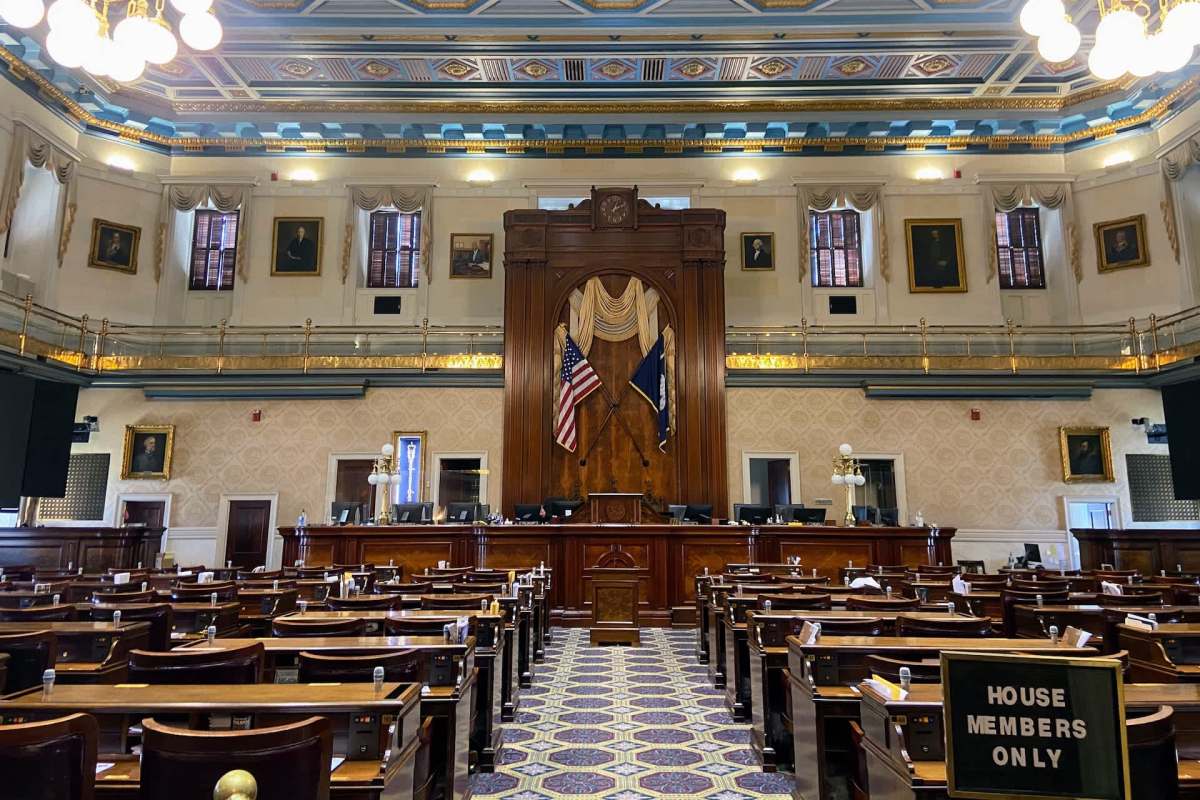
The U.S. House of Representatives passed a bill affecting land in eastern Montana, according to the Daily Montanan. The resolution will overturn Biden-era restrictions on resource extraction. Conservation groups and opponents warn that this legislative action reverses environmental gains.
What's happening?
The House enacted House Joint Resolution 104, a bill that aims to overturn a Bureau of Land Management (BLM) rule issued last November. The previous law halted future coal leasing on about 1.7 million acres in Montana's Powder River Basin.
This basin contains almost a third of the nation's coal reserves. The original BLM decision was a response to potentially declining coal markets. It welcomed a shift toward renewable energy.
The resolution passed with Republicans generally in favor, while Democrats broadly opposed it. The former argue it will benefit mining and energy sectors as well as fund public education through coal taxes.
Why is this resource extraction bill concerning?
Coal leasing and resource extraction on public land are major issues. Both perpetuate planet-overheating pollution and the burning of dirty fuels.
The BLM's original plan was to reduce planet-warming gas pollution. Overturning it is a step toward dirty fuels and away from a less polluted future.
Increased pollution from extraction and combustion contributes to air quality issues. Public health in communities near mining operations and transportation routes is at risk.
Conservation groups say the new legislation sets "a dangerous precedent," the Daily Montanan reported. Congress can change local land management plans under the resolution.
Frank Szollosi of the Montana Wildlife Federation mentioned the jeopardy involved. He said Congress's actions will make "future efforts" of managing "public lands" difficult, per the Daily Montanan.
This undermines collaboration between local leaders and stakeholders. They work to balance resource development with environmental protection and recreational access.
TCD Picks » Upway Spotlight
💡Upway makes it easy to find discounts of up to 60% on premium e-bike brands





|
Do you think America does a good job of protecting its natural beauty? Click your choice to see results and speak your mind. |
 Definitely 👍
 The unstable reuse of federal land will slow down progress toward a cleaner, safer future.
What's being done about the legislation change?
While the House has passed the resolution, it still requires approval in the U.S. Senate to become law. Conservation groups are mobilizing to oppose its passage in the Senate. Their activism emphasizes the environmental and community impacts.
There is a broader solution to protecting public lands. It starts with reducing our reliance on dirty fuels. Then, we must transition to clean energy.
We need a continued investment in renewable energy sources like solar and wind. Policies that encourage energy efficiency and conservation are also crucial.
Individuals can support organizations that advocate for public lands protection and clean energy. Personal choices like reducing energy consumption can also contribute to a sustainable future.
Tension between short-term economic gains and long-term environmental stewardship is ongoing. No matter the politics, the resolution reminds us of one certainty: Constant vigilance and advocacy are necessary to protect our shared natural heritage.

Join our free newsletter for good news and useful tips, and don't miss this cool list of easy ways to help yourself while helping the planet.
Cool Picks