


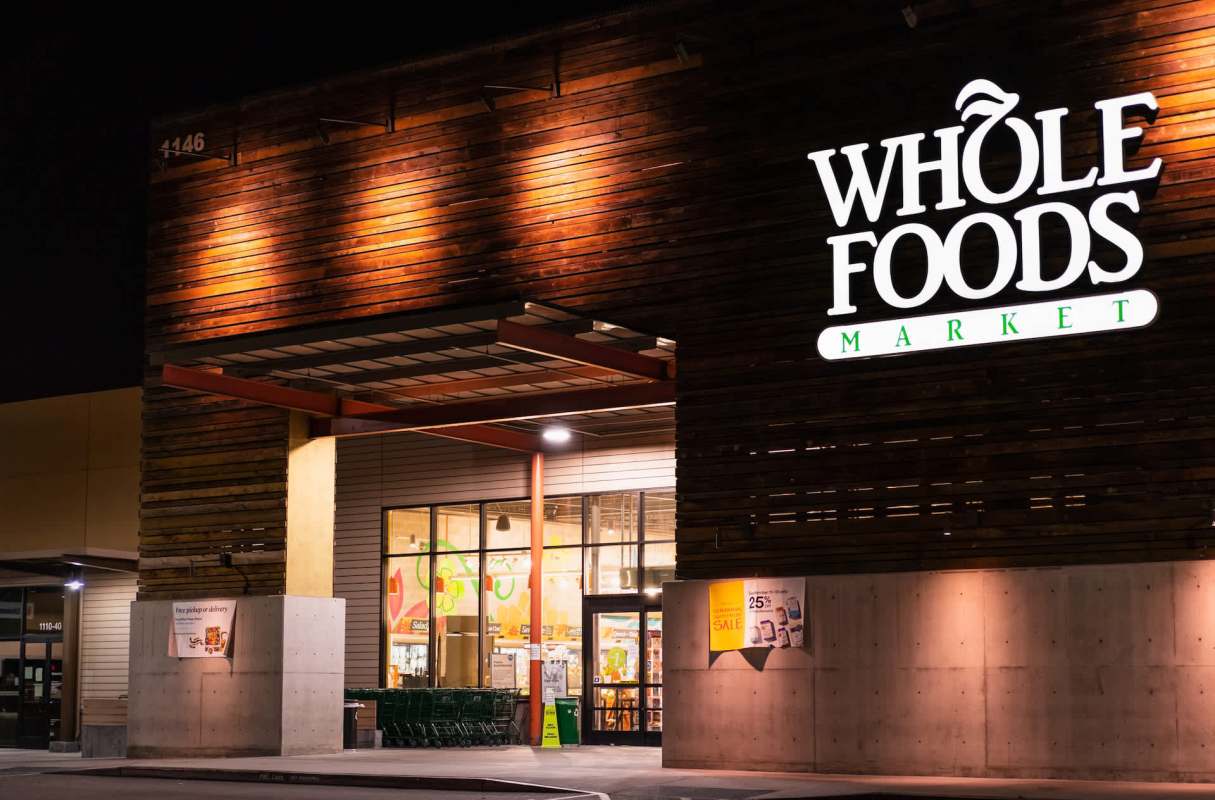
A passerby who stopped to peek in a Whole Foods dumpster in Texas found themselves rewarded with a haul of bread and fresh fruit — and they had just scratched the surface.
What's happening?
In r/DumpsterDiving, a Reddit user explained that they popped by their neighborhood Whole Foods after work to take a quick peek inside its dumpster. They recovered organic apples and bananas, along with nine loaves of bread from artisan baker Easy Tiger.
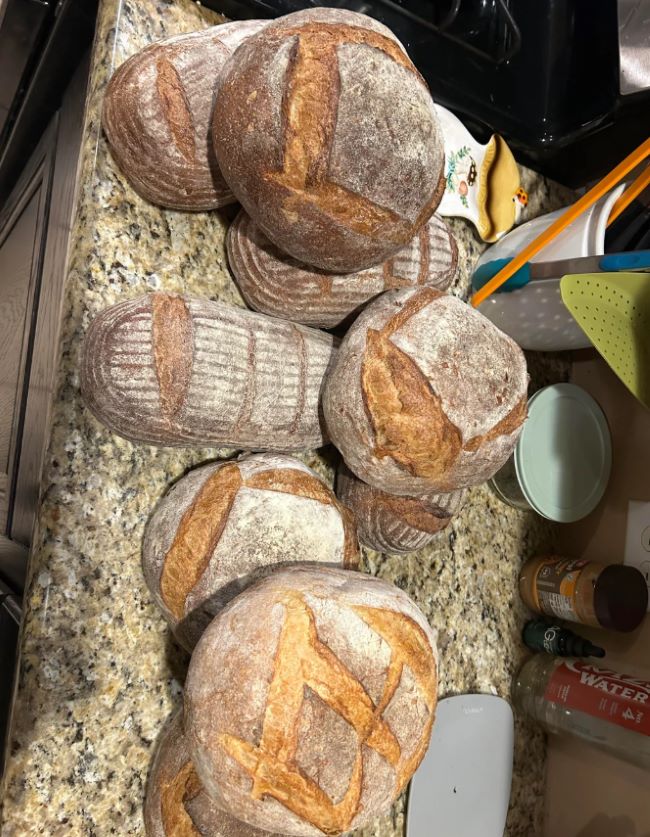
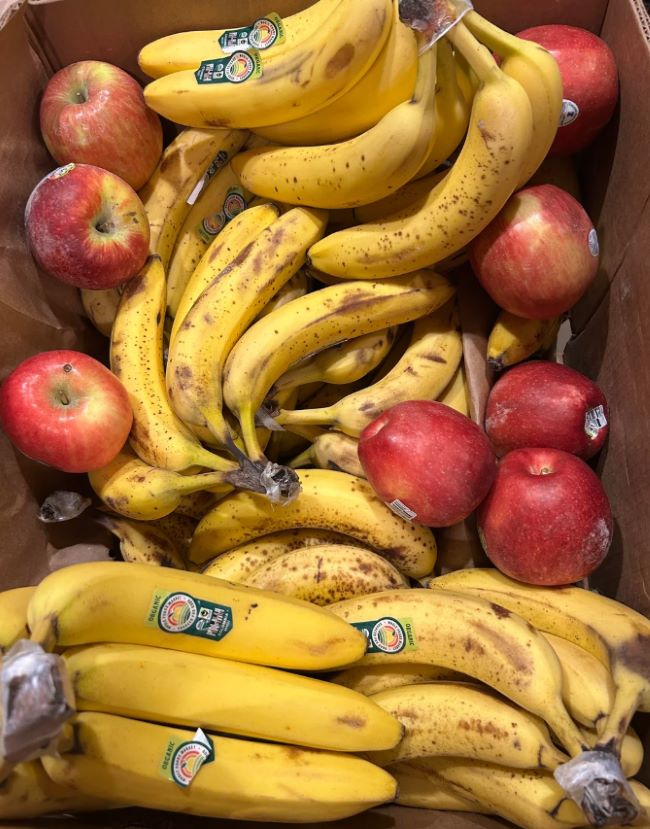
"I had to leave a bunch of wrapped up tacos behind and I didn't dig any deeper. This was all on top!" they shared with excitement. "All that food looks wonderful!" one commenter declared.
"Skin those bananas and freeze they will be perfect for smoothies!!" another suggested, to which the original poster replied, "Yep, that's my plan."
However, a third person focused on a disheartening component of the situation, writing: "Every Whole Foods I've been to uses a compactor … They throw out sooooo much stuff it's a shame."
Why is food waste concerning?
The U.S. Department of Agriculture estimates that up to 40% of food in the country ends up as waste each year, resulting in billions of dollars in lost value as perfectly good food is tossed that could have been used to feed people struggling with food insecurity.
Moreover, when food rots, it releases methane — a heat-trapping gas that's at least 28 times more powerful at warming the Earth pound-for-pound than carbon dioxide.
A warming climate has threatened agricultural production, leaving farmers to grapple with increasingly powerful storms, prolonged droughts, and more prevalent pests. This, in turn, has exacerbated food insecurity, leading to food shortages and higher prices at the grocery store.
What is Whole Foods doing about food waste?
In 2020, as the world shut down amid the COVID-19 pandemic and communities experienced economic upheaval, Whole Foods launched its Nourishing Our Neighborhoods program to expand its ability to donate food to those who need it most.
Through Nourishing Our Neighborhoods, Whole Foods has facilitated the purchase of refrigerated vans for food-recovery organizations, helping to address a key hurdle in redistributing fresh food back to communities without items surpassing unsafe temperatures.
TCD Picks » Quince Spotlight
💡These best-sellers from Quince deliver affordable, sustainable luxury for all




|
Should it be illegal to throw away old clothes?
Click your choice to see results and speak your mind. |
 Heck yes 👍
 In 2024, Whole Foods estimates that it donated more than 34.5 million pounds of food. Meanwhile, 84% of its stores have programs, such as composting, to divert organic waste from landfills. Composting provides added value because it converts food waste into nutrient-rich fertilizer while also reducing methane emissions compared to if it went to a landfill.
What else is being done about food waste more broadly?
Kroger and Trader Joe's are other major retailers with formal food donation initiatives. When two of their stores experienced unexpected power outages, they also demonstrated how easy it is to prevent food waste by donating or giving away perishables that would have otherwise spoiled.
At home, you can keep food fresh for longer by storing it in your freezer. Installing solar panels with battery storage can also help you maintain power when the rest of the grid is down, preventing you from needing to shell out $200 or more to restock your refrigerator.

Join our free newsletter for good news and useful tips, and don't miss this cool list of easy ways to help yourself while helping the planet.
Cool Picks




