


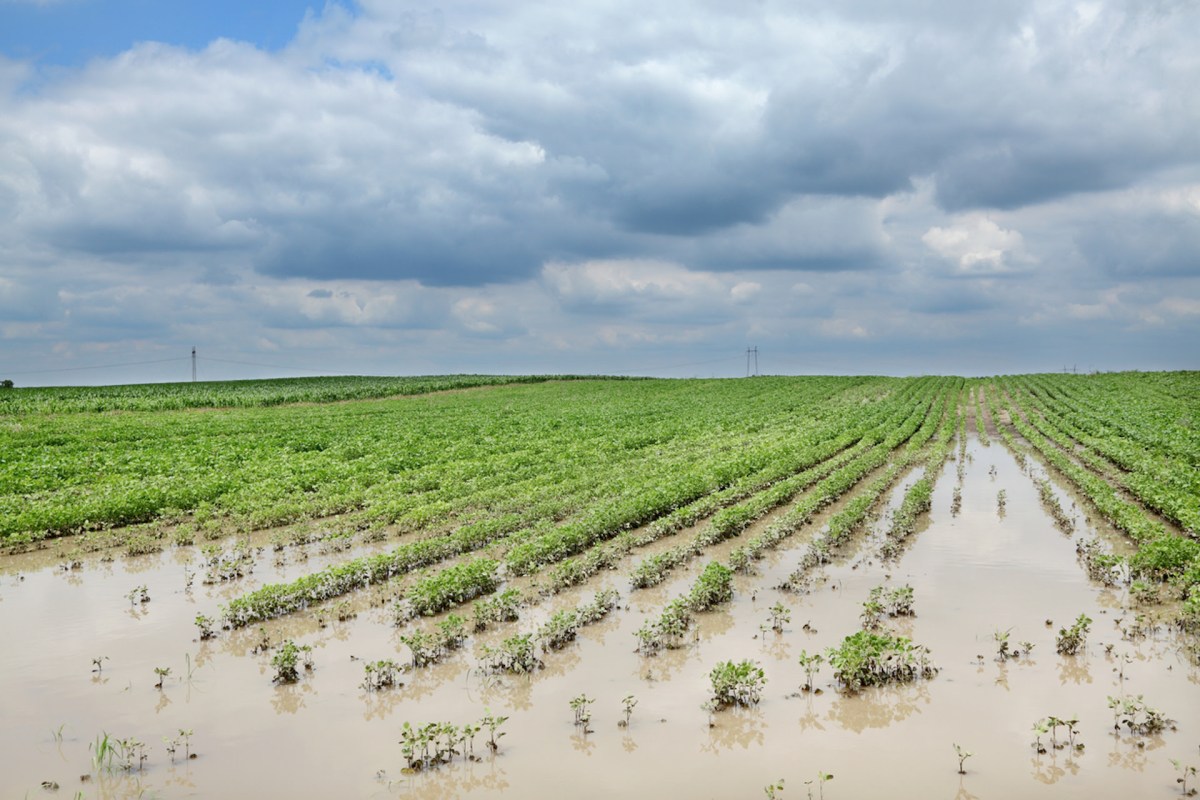
Pakistan is facing a farming crisis that could devastate its economy and food security.
Years of extreme weather events, linked to rising global temperatures, have left millions of farmers struggling, while also threatening an agricultural sector that accounts for nearly a quarter of the nation's GDP.
What is causing Pakistan's farming crisis?
Pakistan's farming crisis refers to the growing instability of the country's agriculture sector, which is being battered by floods, droughts, and rising temperatures.
As Al Jazeera reported, agriculture contributes about 24% of Pakistan's GDP and employs more than a third of the labor force. However, climate-related disasters are making farming unreliable.
Why is Pakistan's farming crisis important?
The crisis threatens both food security and the national economy. Crops like wheat and cotton contracted by more than 13% between 2024 and 2025, per the Pakistan Economic Survey, dragging down the economy and leaving millions of farmers in debt.
Agriculture supports around 40 million people in Pakistan, meaning instability in this sector ripples out to touch nearly every household.
The financial toll has been staggering. Floods in 2022 submerged around one-third of the country, caused nearly $30 billion in damages and losses, and displaced over 8 million people.
A study published in the journal Nature found that the Indus Plain — the heart of Pakistan's agriculture — has faced 19 major flood disasters from 1950 to 2012, with half of them occurring since 2000, per Al Jazeera.
Musadiq Malik, Pakistan's climate change minister, warned in an interview with Al Jazeera: "These people [working on agriculture] have no economic security, and given our current economic development stage, the government lacks the wherewithal to provide for such a large segment of the population if these gushing floods wash away our infrastructure and devastate agricultural lands.
"From an economic and agricultural standpoint alone, the potential for devastation is immense."
TCD Picks » Quince Spotlight
💡These best-sellers from Quince deliver affordable, sustainable luxury for all




|
What is the biggest reason you don't grow food at home? Click your choice to see results and speak your mind. |
 Not enough time ⏳
 How does the farming crisis affect people and the environment?
This crisis has turned traditional agriculture into what one farmer called "gambling with nature."
Entire communities are being uprooted when fields are destroyed, with many migrating to cities for other work to survive. Families lose not only their crops but also livestock and homes, making poverty more widespread.
Environmentally, the crisis shows how rising global temperatures linked to human pollution makes communities unstable. Pakistan, though responsible for less than 1% of global heat-trapping pollution, ranks among the 10 most climate-vulnerable nations.
Melting glaciers, shifting rainfall, and more intense monsoons all contribute to worsening floods and droughts, placing additional stress on the country's limited water and land resources.
Why addressing a shifting climate is an urgent issue
Tackling the shifting climate may be costly and complicated, but failing to act urgently will be far more expensive for us all.
Without strategies for adapting to these changes, Pakistan risks massive food shortages, spiraling poverty, and long-term damage to its economy.
Strategies from smarter water management to investments in resilient crops could be part of safeguarding not only livelihoods but also stability in a region where agriculture is central to daily life, though the most effective way to enact long-term change is bringing the planet's temperatures back into balance.

Join our free newsletter for good news and useful tips, and don't miss this cool list of easy ways to help yourself while helping the planet.
Cool Picks






