


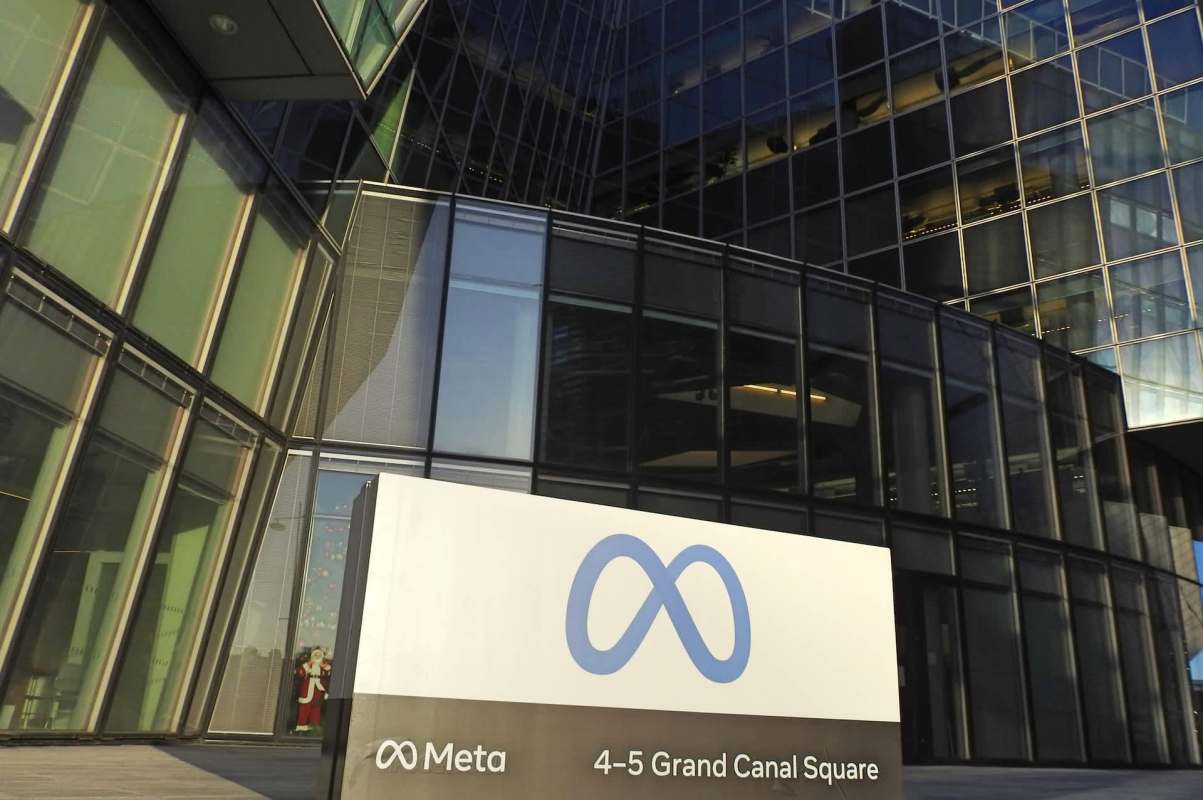
Staffing cuts at Facebook's parent company, Meta, are signaling a decline in virtual reality products in favor of AI, according to The New York Times.
What's happening?
Over 10% of the staff at Meta's Reality Labs is reportedly facing layoffs as the tech giant aims to pivot away from the so-called "metaverse." These cuts have been expected for weeks, with estimates previously reaching as high as 30%.
At the same time, CEO Mark Zuckerberg announced a new division called Meta Compute, which will spearhead the company's data center operations for powering artificial intelligence use and model creation.
"Meta is planning to build tens of gigawatts this decade, and hundreds of gigawatts or more over time," Zuckerberg wrote in the announcement post. "How we engineer, invest, and partner to build this infrastructure will become a strategic advantage."
Why is AI important?
Zuckerberg made a massive investment in virtual reality in 2014 when he had Facebook acquire Oculus, and he doubled down on the vision with the new Meta brand. It will take time to see whether the big bets on AI will pay off or be as disappointing as VR.
The tangled web of mutual investments among AI companies and questionable value of AI tools have some fearing a bubble is about to burst, but there's more than just financial losses at stake. AI data centers require enormous amounts of energy. The resources needed to generate that power produce significant pollution.
This pollution exacerbates destructive weather patterns, such as floods, droughts, and wildfires. These disasters, in turn, incur costs for society at large, including homeowners and farmers.
What's being done about AI?
Reality Labs' ambitions aren't disappearing altogether. Strong demand for its Ray-Ban Display glasses has anchored augmented reality in Meta's portfolio.
As for AI, it may still find a place in a sustainable future. Meta has made investments in nuclear power in order to abate energy pollution from AI use. Other players such as Microsoft and Google are doing the same. Beyond supply, efficiency improvements in AI could lower power demands in the long run.
AI's power has the potential to be applied to major climate challenges, such as weather prediction and battery design.
TCD Picks » Quince Spotlight
💡These best-sellers from Quince deliver affordable, sustainable luxury for all




|
Do you worry about companies having too much of your personal data? Click your choice to see results and speak your mind. |
 Absolutely 👍
Get TCD's free newsletters for easy tips to save more, waste less, and make smarter choices — and earn up to $5,000 toward clean upgrades in TCD's exclusive Rewards Club.
Cool Picks





