


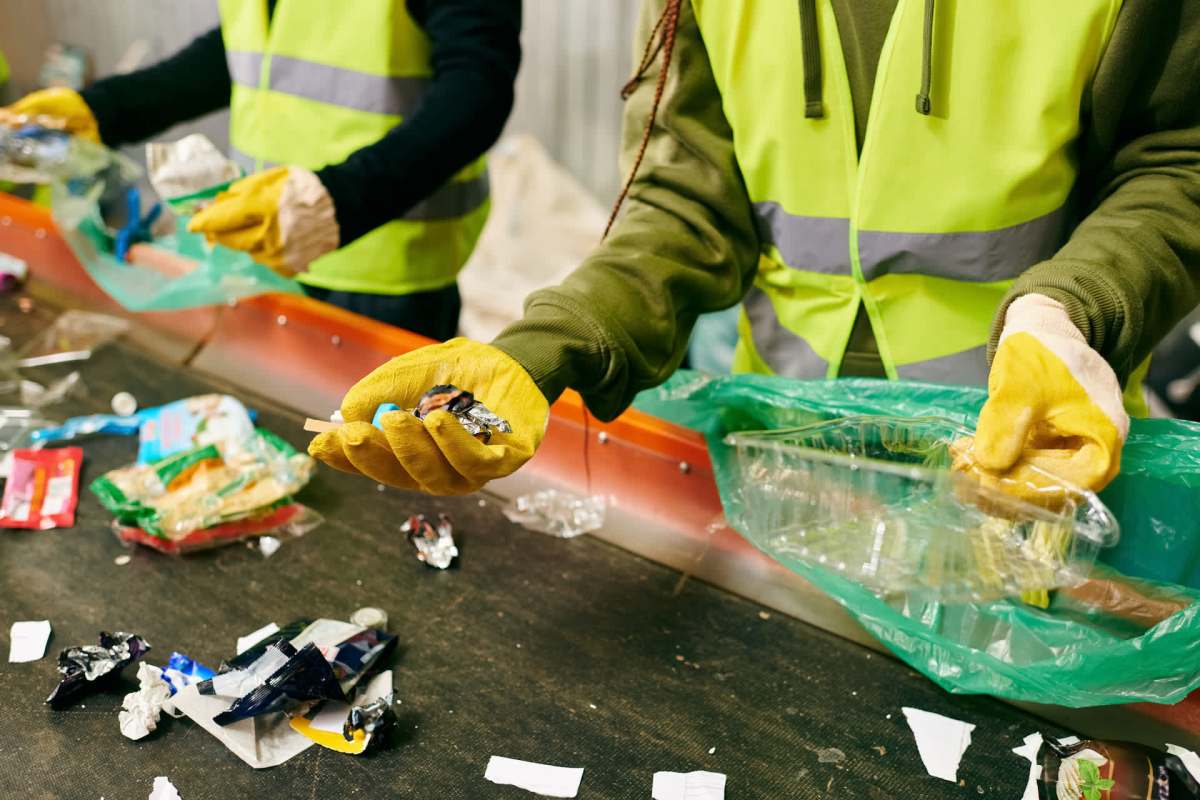
Officials in Indonesia are making a concerted effort to stem the tide of rampant plastic pollution by proposing mandatory recycling for all plastic producers.
This comes in the wake of the enactment of a sweeping ban on plastic waste shipments from developed countries.
As reported by Arab News, 12% of the 60 million tons of waste Indonesia produces every year is plastic waste. With just a small fraction of that waste being properly recycled, much of that waste winds up in landfills or littered throughout the countryside.
Indonesia's environment minister Hanif Faisol Nurofiq spoke to reporters regarding the government's revamped plastic recycling policy.
"Plastic is problematic for the environment, especially the single-use ones. It creates various problems, and contains hazardous toxic materials," Nurofiq said.
"We are making an intervention through the Extended Producer Responsibility, or EPR, which is still voluntary at the moment, but we are working to make it mandatory," added Nurofiq.
Indonesia's 2019 Ministerial Regulation established a "Waste Reduction Roadmap" for plastic producers, requiring them to develop and submit plans for reducing their product and packaging waste. While initially voluntary, the policy didn't quite yield the desired results.
Muharram Atha Rasyadi, an urban campaigner with Greenpeace Southeast Asia, noted the benefits of making plastic recycling mandatory.
"If it's voluntary in nature as we currently have with the 2019 Ministerial Regulation, implementation will be slow and less than ideal," Rasyadi explained.
Since plastic is not biodegradable, it can often persist in the environment for countless years, breaking down into harmful microplastics that contaminate soil and water. These microplastics can then be ingested by animals, impacting their health and traveling further up the food chain, entering the human food supply.
TCD Picks » Quince Spotlight
💡These best-sellers from Quince deliver affordable, sustainable luxury for all




|
Should companies be required to help recycle their own products?
Click your choice to see results and speak your mind. |
 Definitely 👍
 Researchers from Cornell University conducted a study that examined the ingestion of microplastics across 109 different countries. According to the study, Indonesians consume an estimated 15 grams of microplastics every month. That ranks the country as the global leader of microplastic dietary intake.
Fengqi You, an energy systems engineering professor at Cornell and co-author of the study, discussed the biggest takeaway from the research.
"The uptake of microplastics at the country level is a critical indicator of plastic pollution and public health risks," You said. "Comprehensive global mapping supports local pollution mitigation efforts through enhanced water quality control and effective waste recycling."

Join our free newsletter for good news and useful tips, and don't miss this cool list of easy ways to help yourself while helping the planet.
Cool Picks




