


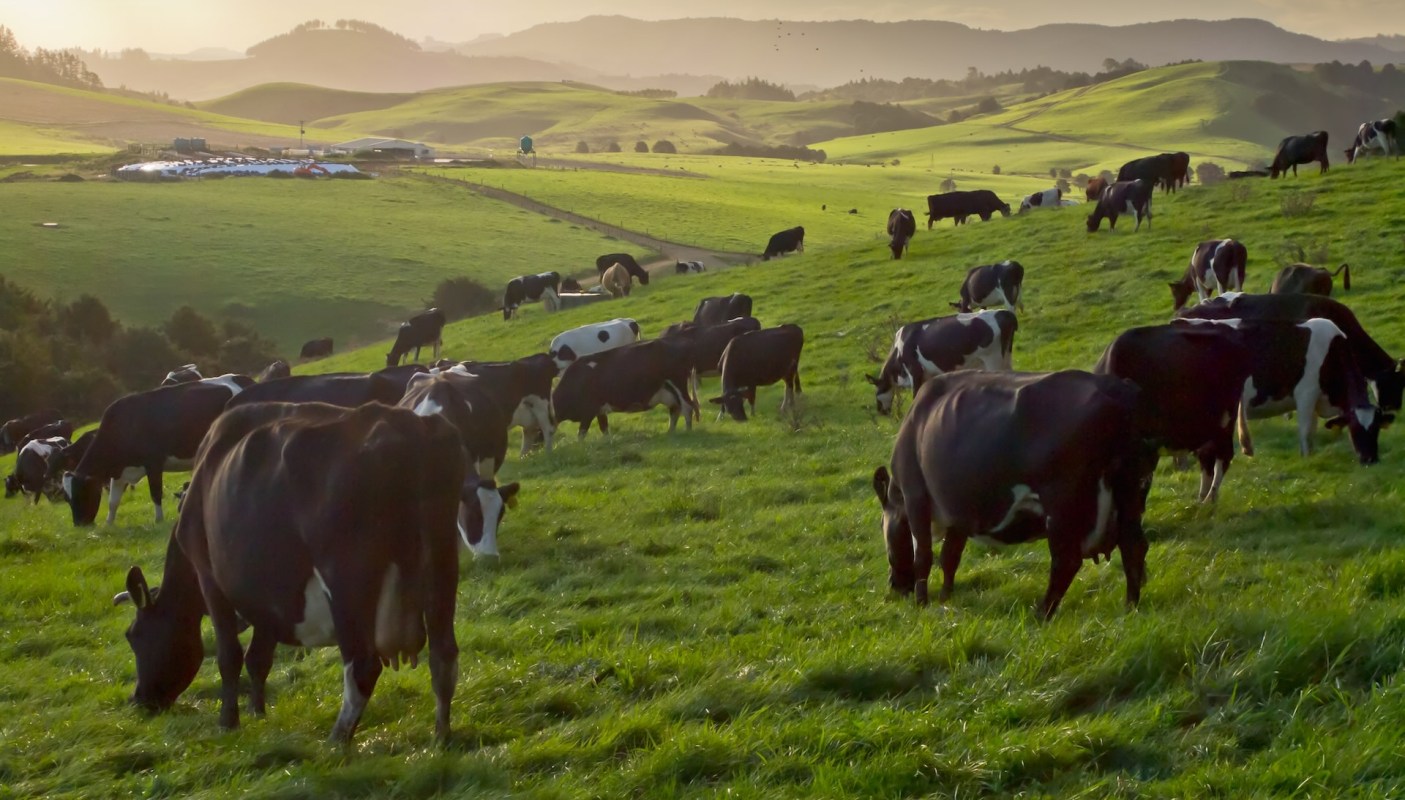
A warming planet is changing the lives of dairy farmers in Sri Lanka.
What is heat stress in cattle?
Cattle farming is a cornerstone of rural economies in tropical island nations. As global temperatures climb, animals face a silent threat.
Research published in the journal Discover Agriculture highlighted heat stress as a looming issue that can cause economic strife for farmers.
Cattle can no longer regulate their body temperature amid high heat and humidity. Much like humans feel sluggish on a hot afternoon, cows also struggle to keep cool.
When heat stress occurs among cows, their bodies seek survival over productivity, as the study observed.
Scientists use the Temperature-Humidity Index to measure how these conditions affect livestock. This helps farmers understand when the environment becomes a risk for their herds.
As the air gets hotter, cows eat less and drink more water, leading to adverse health and reduced milk yields.
Why does heat stress matter?
Cattle farming is a lifeline for food security in rural areas. Rising temperatures impact a community's ability to feed itself and sustain its economy.
In Sri Lanka, a 1-degree Celsius (1.8-degree Fahrenheit) increase reduced milk collection by 54%, per the study. This translates to an estimated annual economic loss of roughly $2 million for the region.
Even small monthly increases — as little as 0.01 degrees Celsius — can cause a decline in milk production. Lower productivity from heat-stressed livestock leads to decreased income and higher prices for consumers.
TCD Picks » Quince Spotlight
💡These best-sellers from Quince deliver affordable, sustainable luxury for all




|
What's the most you'd pay per month to put solar panels on your roof if there was no down payment?
Click your choice to see results and speak your mind. |
 $200 or more 💰
 As the research noted, the economic-agricultural implications in dry-zone regions are "particularly critical."
How adaptation saves farming communities
Addressing climate issues and upgrading farm equipment requires an upfront investment. Yet the price of doing nothing is much higher.
A lack of cooling systems or better shade, for example, can lead to the total collapse of local dairy markets. Investing in a safer future today is more cost-effective than dealing with losses.
Climate-resilient breeds and improved animal husbandry can protect both animals and farming communities.
Farmers are beginning to practice resource reallocation, per the study. Heat-tolerant cattle and advanced cooling technologies, such as specialized housing, are some solutions.
Traditional knowledge and modern research can support agriculture and protect global food systems.

Get TCD's free newsletters for easy tips to save more, waste less, and make smarter choices — and earn up to $5,000 toward clean upgrades in TCD's exclusive Rewards Club.
Cool Picks





