


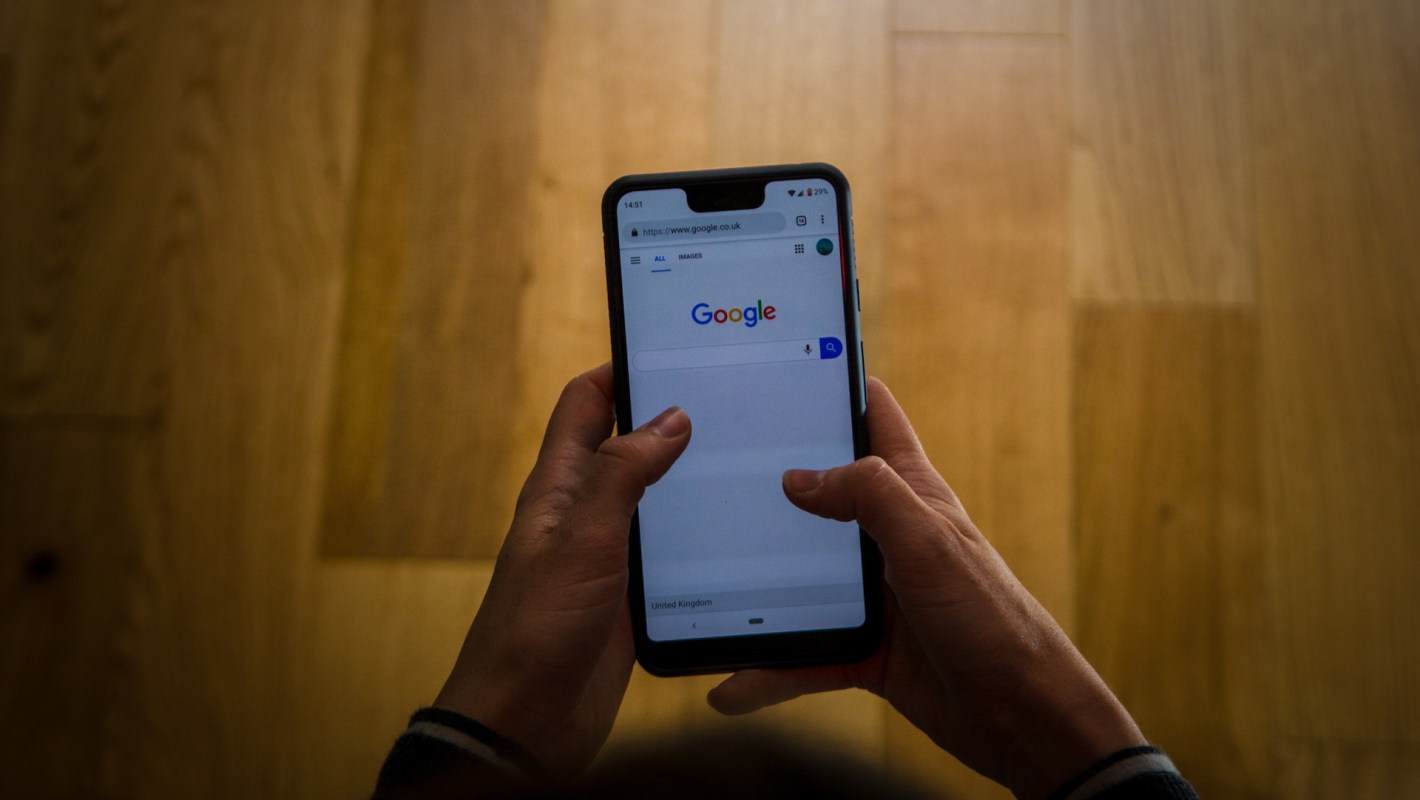
Voice-activated assistants are designed to respond only when prompted, but a newly settled lawsuit suggests that, for years, some users' private conversations may have been recorded anyway. According to Reuters, Google has agreed to pay $68 million to resolve claims that its Google Assistant feature captured audio without consent and used it to support targeted advertising.
What's happening?
On January 26, Reuters reported that Google reached a preliminary $68 million settlement in a class-action lawsuit filed in federal court in San Jose, California.
Smartphone users alleged that Google Assistant was unintentionally triggered through "false accepts," meaning the software misinterpreted background speech as activation phrases such as "Hey Google" or "OK Google."
As a result, users said private conversations were recorded without their knowledge and then disseminated internally to help refine advertising systems. The settlement applies to people who purchased Google devices or experienced these false activations dating back to May 18, 2016.
Google denied wrongdoing but agreed to settle to avoid the cost and uncertainty of prolonged litigation, according to court filings. The agreement still requires approval from a federal judge. Attorneys for the plaintiffs may seek up to one-third of the settlement — roughly $22.7 million — in legal fees.
The case mirrors a broader industry pattern. In December 2024, Apple reached a $95 million settlement over similar claims involving its Siri voice assistant.
Why is this concerning?
The lawsuit underscores how easily convenience-focused technology can cross into unwanted surveillance. Devices designed for homes and pockets rely on always-on microphones, increasing the risk that sensitive moments are captured unintentionally.
When those recordings are allegedly tied to advertising systems, it can reflect a business model that prioritizes data collection over user trust.
Online reactions echoed that frustration.
"Must be nice to just buy your way out of litigation," one Reddit commenter wrote. Others online who see settlements as insufficient deterrents shared the sentiment.
TCD Picks » Quince Spotlight
💡These best-sellers from Quince deliver affordable, sustainable luxury for all




|
What's the most you'd pay per month to put solar panels on your roof if there was no down payment?
Click your choice to see results and speak your mind. |
 $200 or more 💰
 Targeted advertising is designed to increase engagement and spending, often by encouraging purchases tailored to individual behavior. Critics say that gathering personal data without clear consent can quietly fuel overconsumption while placing financial and environmental costs on consumers.
There are broader implications as well. Storing and processing vast amounts of voice data requires energy-intensive infrastructure, increasing pollution and strain on power grids — impacts that often fall disproportionately on nearby communities.
What's being done about it?
Privacy lawsuits such as this one are increasing pressure on tech companies to change how voice data is handled. Regulators are also stepping up scrutiny, with states expanding consumer privacy protections and federal lawmakers debating stricter limits on data-driven advertising.
For individuals, reviewing voice assistant settings, disabling always-listening features, and limiting active devices in private spaces can help reduce exposure as oversight continues to evolve.

Get TCD's free newsletters for easy tips to save more, waste less, and make smarter choices — and earn up to $5,000 toward clean upgrades in TCD's exclusive Rewards Club.
Cool Picks





