


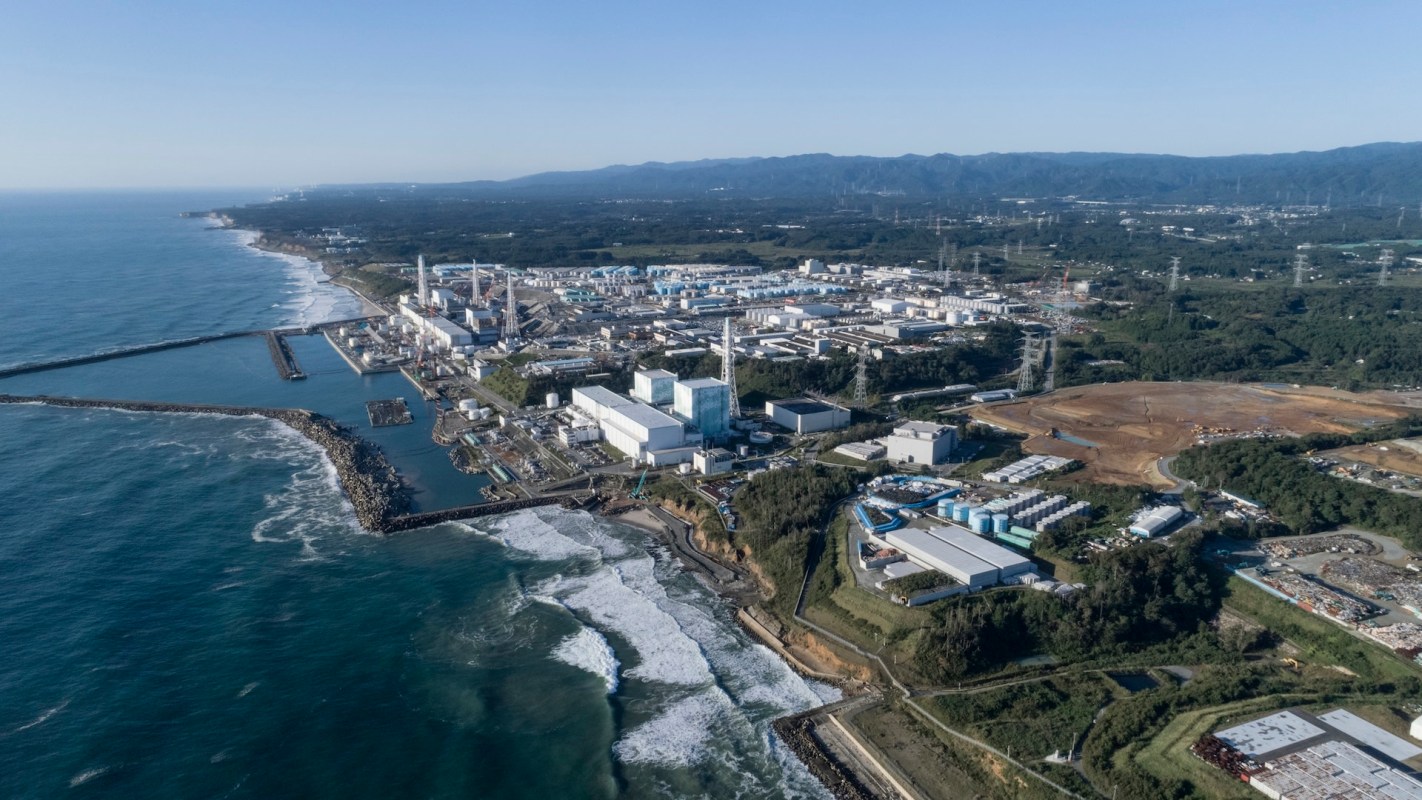
The International Atomic Energy Agency has released a new update on the ongoing discharge of treated water from Japan's Fukushima Daiichi nuclear disaster site, and it's good news.
The newest batch has cleared key safety benchmarks, as detailed by Earth.com.
According to officials, this 15th release contains about 284 becquerels of tritium per liter, well below Japan's limit of 1,500 becquerels per liter and well under the World Health Organization's drinking water guideline of 10,000 becquerels per liter.
In other words, the latest release is nowhere near the levels considered harmful.
"The results confirmed that the tritium concentration is far below the operational limit of 1,500 becquerels per litre and is in line with international safety standards," the IAEA wrote.
The controlled discharge program began in 2023. In the near aftermath of the 2011 earthquake and tsunami that caused the disaster, engineers stored cooling water and groundwater that had come into contact with damaged reactor areas in tanks, per Earth.com.
With thousands of storage tanks taking up limited space and increasing long-term risk, Japan developed a multistage treatment and dilution system to manage the situation.
Independent monitoring has played a big role. The IAEA maintains a permanent presence at Fukushima. For its part, Japan strengthened defense measures against natural disasters after Fukushima, along with adopting stricter safety regulations.
Ultimately, nuclear power can offer major benefits. Namely, it produces large amounts of electricity without releasing heat-trapping gases and can support energy security. Nuclear energy can also help stabilize power grids as renewable sources like wind and solar expand.
But nuclear power also comes with challenges, including rare yet serious nuclear disasters that are understandably cause for concern.
TCD Picks » Quince Spotlight
💡These best-sellers from Quince deliver affordable, sustainable luxury for all




|
Would you feel safe living close to a nuclear power plant? Click your choice to see results and speak your mind. |
 Absolutely ✅
 Additionally, managing radioactive waste requires long-term planning, and the high upfront costs of building nuclear plants can be a barrier.
All in all, debates continue over how much nuclear should factor into long-term climate and energy strategies, especially as cleaner technologies rapidly evolve.
Events like Fukushima also underscore how critical transparency, oversight, and public trust are for the industry's future.
With continued sampling, public reporting, and independent reviews, the program is hoping to keep both the science and public conversation grounded in measurable data.

Get TCD's free newsletters for easy tips to save more, waste less, and make smarter choices — and earn up to $5,000 toward clean upgrades in TCD's exclusive Rewards Club.
Cool Picks





