


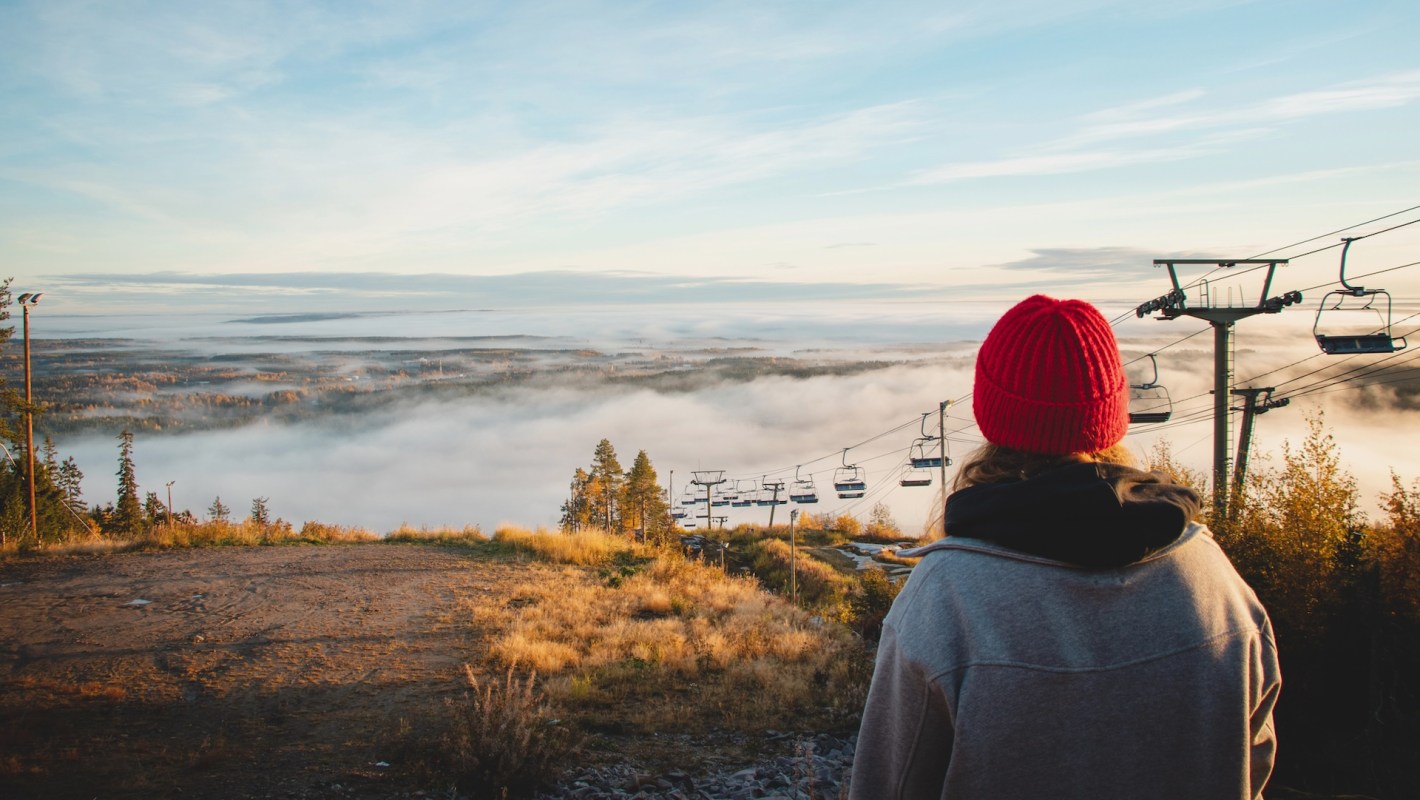
In early December in Finland, trips were being called off due to weather. But the problem wasn't a winter blizzard or fresh snow; instead, a startling lack of snow gave tourists no reason to travel, according to Yle News.
What's happening?
German travel operator TUI canceled multiple trips to Kainuu, Finland, for British tourists in December due to the scarcity of snow cover in the area.
According to the country's snow depth map, there are only a couple of centimeters of snow around the popular Sotkamo and Vuokatti ski resorts. As of late December, the region around Sotkamo reached 29 centimeters of coverage, but levels are still far below historical averages.
Travelers with TUI were given the opportunity to postpone their trips or move their destination further north, where the snow depth is almost doubled, according to Adam Györki, Nordic regional communications director at TUI, per Yle News.
Most of Finland remained without snow over the Christmas holiday.
Why is a snow drought concerning?
A lack of early winter snow, or snow drought, isn't just disappointing for travel plans; it's an early warning for communities that rely on predictable conditions.
For places like Finland, snow is an economic necessity, as the National Snow and Ice Data Center explained. Winter tourism supports local jobs, small businesses, and regional infrastructure. When trips are canceled due to a lack of snow, it highlights how warming winters can directly threaten people, especially in areas centered around travel and outdoor recreation.
"There's been change that anyone can see," said Anne Borgström, meteorologist for Yle. "There are more grayish winters with a shorter duration of cold and snow."
Snowpack acts as a natural freshwater reservoir, slowly releasing water into rivers and groundwater as it melts. When snow doesn't arrive as expected, it can strain water supplies, disrupt ecosystems, and increase the risk of drought and wildfires throughout the year.
Increasing global temperatures, driven by human activity, are making winters less reliable, per NASA, causing snow droughts to be recurring challenges for places like Kainuu and making weather events more extreme and unpredictable.
TCD Picks » Quince Spotlight
💡These best-sellers from Quince deliver affordable, sustainable luxury for all




|
Do you worry about the quality of the air inside your home?
Click your choice to see results and speak your mind. |
 Yes — often 😬
 What's being done about these conditions?
Across northern Europe, governments and researchers are investing in better monitoring systems to track snowpack levels and seasonal changes to help communities adapt more quickly to weird winters, according to Nature.
Some ski destinations are diversifying their tourism offerings to be less snow-reliant, DW reported, while others are investing in artificial snow and storing snow from previous winters.
More broadly, reducing reliance on oil, coal, and gas — fuel sources that supercharge weather events by trapping heat in the atmosphere with pollution — can help. Scientists in Finland recently developed a way to turn air pollution into plastic. Clean energy policies, low-emission transportation, and home electrification can lower warming emissions further while saving households money each month.

Get TCD's free newsletters for easy tips to save more, waste less, and make smarter choices — and earn up to $5,000 toward clean upgrades in TCD's exclusive Rewards Club.
Cool Picks





