


More than 230 organizations raised the alarm about the impacts of data centers in a letter to Congress, calling them "one of the biggest environmental and social threats of our generation."
What's happening?
A coalition of national, regional, and state organizations sent a letter urging Congress to issue a temporary pause on new data center projects as public outcry grows over their harmful impacts.
Members of one Texas community reported permanent hearing loss they attribute to incessant noise from a bitcoin mining facility. One woman's dream turned into a nightmare after Meta built a data center near her rural home — now, she's afraid to drink water from her sludge-filled well.
"The rapid, largely unregulated rise of data centers to fuel the AI and crypto frenzy is disrupting communities across the country and threatening Americans' economic, environmental, climate, and water security," the letter read.
"We urge you to join our call for a national moratorium on new data centers until adequate regulations can be enacted to fully protect our communities, our families, our environment, and our health from the runaway damage this industry is already inflicting."
Why is this important?
In addition to supporting better outcomes in health care settings and agriculture, AI data centers can bring jobs and other economic benefits to communities when they set up shop.
For instance, Virginia's Loudon County — which is right in the heart of "Data Center Alley" — was able to enact tax cuts, saving households thousands of dollars each year on average.
However, AI development has contributed to job losses in other sectors. As the organizations noted in their letter, one AI executive estimated that overall unemployment rates could hit 20% as a result. The economic perks are also increasingly offset by other costs.
Data centers require massive amounts of energy, ultimately driving electricity prices higher at a rate outpacing inflation. The organizations warned that if data centers continue to rapidly expand unchecked, they could consume as much energy as 30 million households by 2030.
That could mean more residential grid outages and — if the trend toward more sustainable energy sources falters — a whole lot of toxic pollution, associated with a whopping $820 billion in annual health costs, according to the Natural Resources Defense Council.
TCD Picks » Upway Spotlight
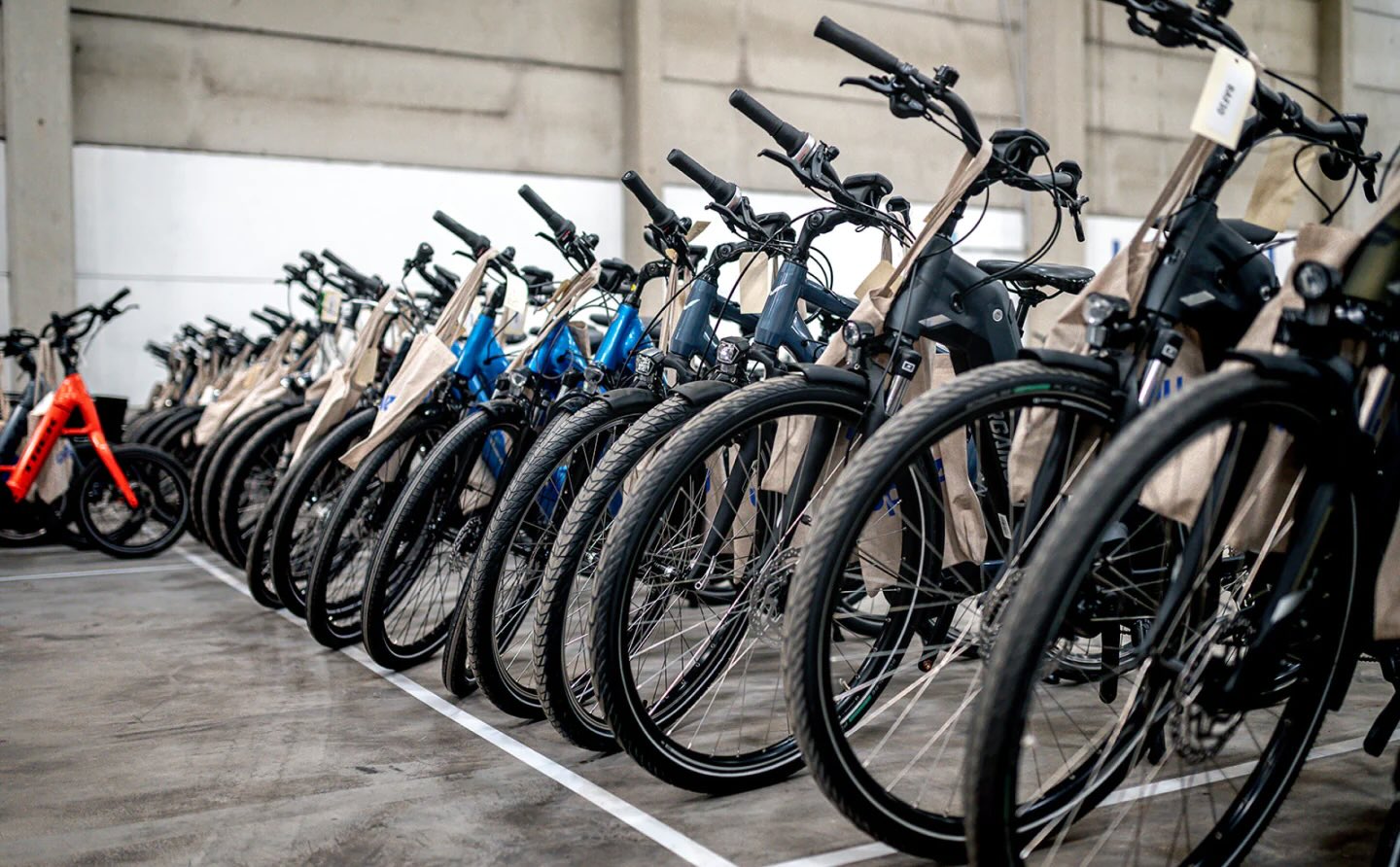
💡Upway makes it easy to find discounts of up to 60% on premium e-bike brands




|
How should we protect workers from losing jobs to AI-powered robots?
Click your choice to see results and speak your mind. |
 Financial assistance for job training 💰
 What's being done about this?
TechCrunch reported that Virginia, Pennsylvania, Ohio, Illinois, and New Jersey are the states expected to experience the greatest impact from data center growth.
Breakthroughs in cooling technologies, simplified AI algorithms, and greener cryptocurrency validation systems may help bring more energy-efficient, less water-hungry data centers online at scale. In the meantime, communities and regulatory agencies are pushing back against projects they believe will diminish their quality of life or cause ecological harm.
You can make your voice heard on this matter by contacting your representatives. Talking with family and friends can also raise awareness about critical issues like these.

Get TCD's free newsletters for easy tips to save more, waste less, and make smarter choices — and earn up to $5,000 toward clean upgrades in TCD's exclusive Rewards Club.
Cool Picks





