


The world may have been bracing for a dramatic "coal comeback," but the renaissance seems to have fizzled before it could ignite.
Despite a global energy crunch that has been exacerbated by conflict in Iran and has sent gas prices soaring, new analysis from the Center for Research on Energy and Clean Air found that coal use has largely held steady and even declined in some regions.
Widespread expectations suggested that as gas prices rose, countries would fall back on coal. But recent data tells a different story, according to Euronews.
Globally, coal-fired power generation remained flat in March. Outside of China, the world's largest coal consumer, it actually fell by 3.5%. And even within China, growth was modest, rising just 2% as some plants temporarily switched fuels.
Meanwhile, seaborne coal shipments dropped to their lowest levels since 2021.
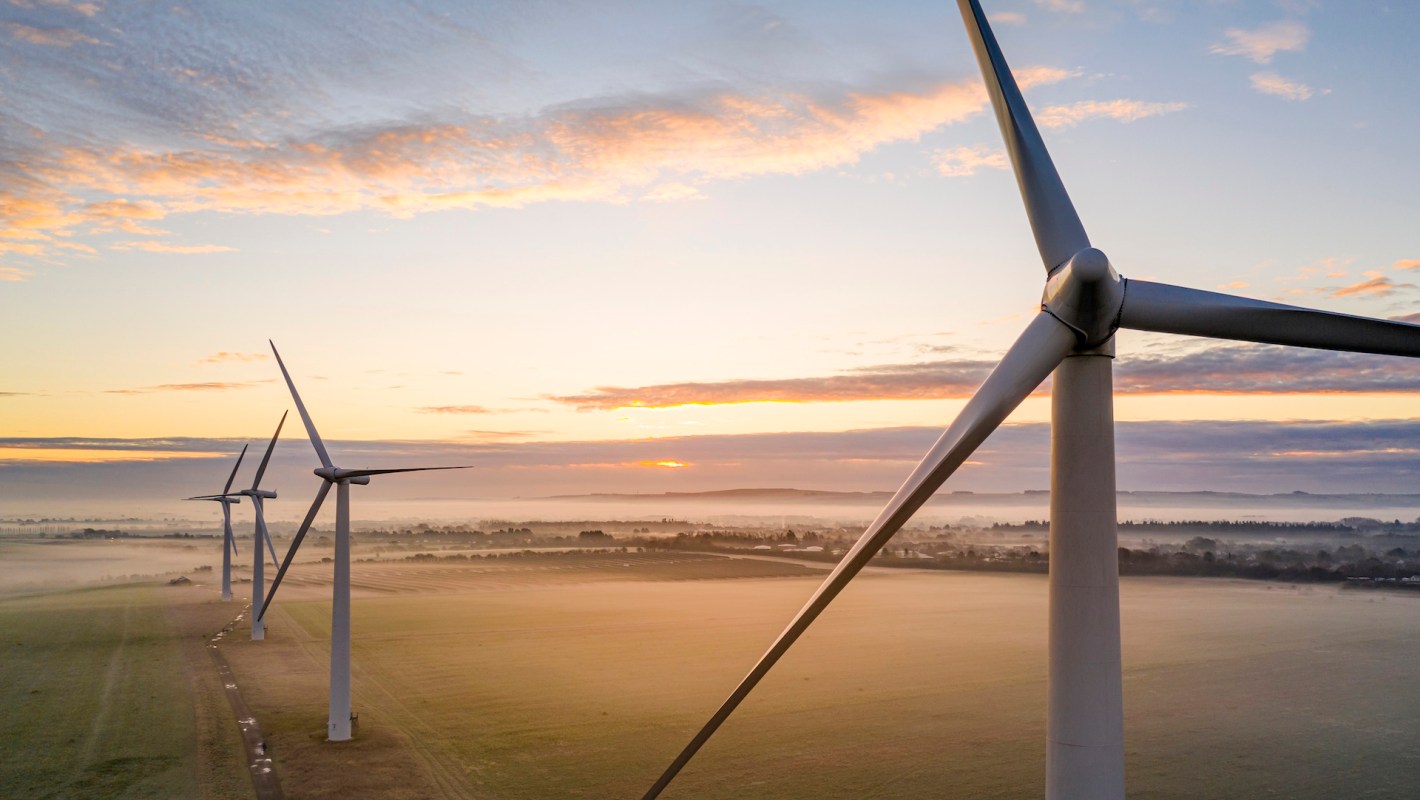
Rather than a coal revival, the data seems to point to something else: a quiet but steady rise in the use of clean energy.
TCD Picks » Quince Spotlight
💡These best-sellers from Quince deliver affordable, sustainable luxury for all




Solar power generation surged by roughly 14% across the countries analyzed, while wind energy grew by about 8%. In Europe, increased solar output alone contributed to an estimated 3 billion euros ($3.5 billion) in energy cost savings over the same period.
The growth is helping cushion the impact of ongoing energy disruptions tied to tensions around the Strait of Hormuz, a critical global corridor for oil and gas.
When fuel supplies are disrupted, energy prices often spike, driving up electricity bills for consumers. Expanding renewable energy capacity can help stabilize prices while making power systems more resilient.
Experts noted coal also faced practical limits. Even amid rising demand, many plants were already operating near capacity, and years of phaseouts have reduced the number of facilities available to ramp up production.
|
Which of these savings plans for rooftop solar panels would be most appealing for you?
Click your choice to see results and earn rewards to spend on home upgrades. |
 Save $1,000 this year 💸
 At the same time, coal's financial appeal appears to be fading. Higher transportation costs and growing competition from cheaper renewables are making new investments harder to justify.
Countries such as France and the United Kingdom are responding by accelerating electrification, heat pump adoption, and solar energy infrastructure to reduce reliance on imported fuels.
For households, this transition could translate into meaningful savings.
EnergySage's free tools can help consumers explore solar options and save up to $10,000 by comparing quotes from local installers. And if upfront costs feel out of reach, Palmetto's $0-down LightReach solar leasing program can help lower utility bills by up to 20%.
As Euronews noted, several governments are set to meet in Colombia in the coming days at the First International Conference on the Just Transition Away from Fossil Fuels to discuss how to more meaningfully move away from coal, oil, and gas.

Get TCD's free newsletters for easy tips, smart advice, and a chance to earn $5,000 toward home upgrades. To see more stories like this one, change your Google preferences here.






