


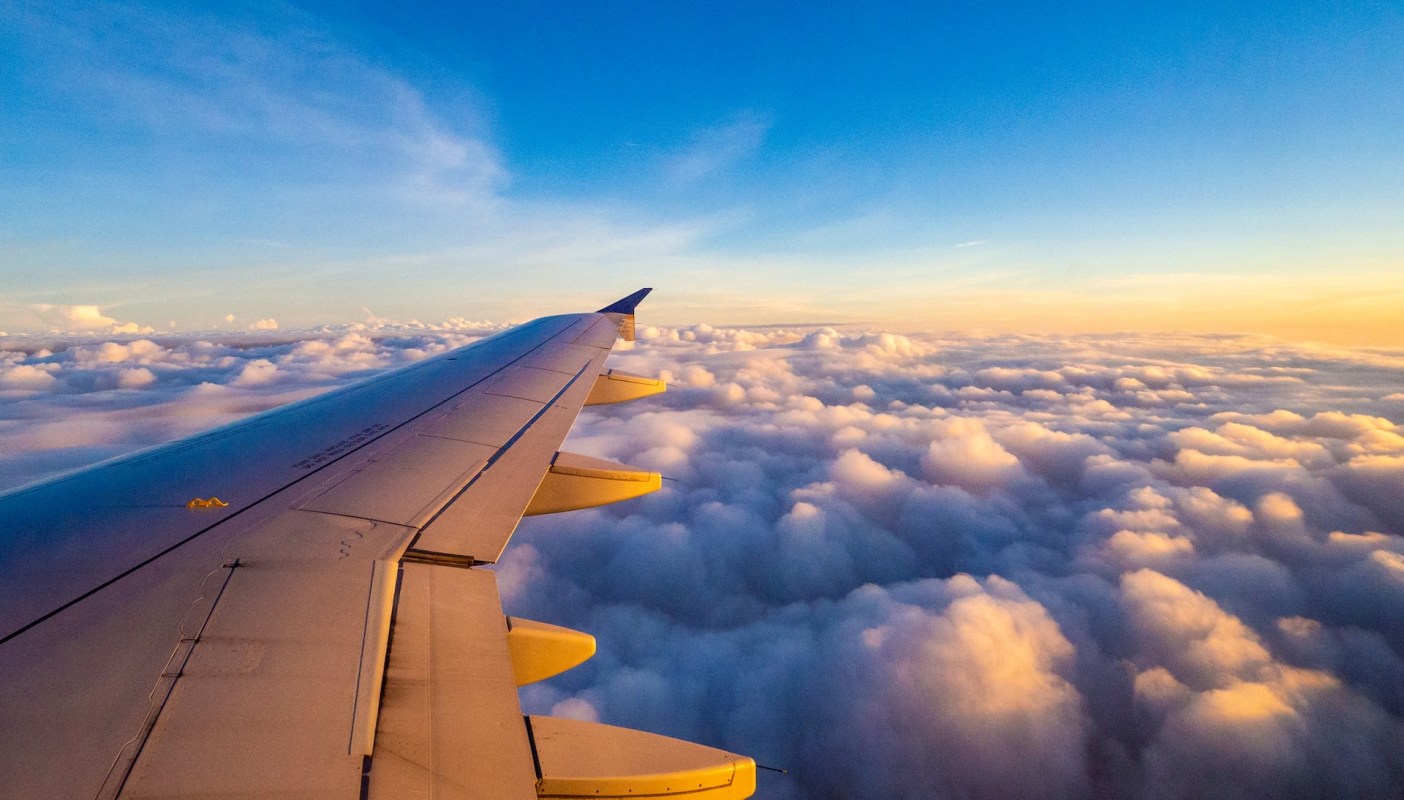
The scariest danger might be the one that you can't see. Flight professionals and researchers are identifying clear-air turbulence as a flying hazard to watch in the coming years.
What's happening?
As Business Insider reported, a 2020 survey by the World Meteorological Organization revealed that over 400 aviation professionals view increased turbulence as the No. 1 weather-related safety issue facing the industry.
While the article explored all sorts of rising dangers in flying, turbulence is certainly one of the most concerning hazards for flyers. Clear-air turbulence poses an even greater menace, as it's more difficult to observe and predict than turbulence arising from mountains or storms.
"It's clear blue skies, there's no storms anywhere, and there's just this invisible turbulence that, often, the first you know about it is when you're flying through it," said Paul Williams, an atmospheric scientist at the University of Reading in the United Kingdom.
Williams' research indicated that rising global temperatures are causing more intense incidences of it by adding wind shear to the jet stream. In severe cases, clear-air turbulence can jolt passengers out of their seats, leading to major injuries.
While that isn't the norm, Williams said that severe clear-air turbulence is up 55% from 1979 to 2020. The number could double or even triple by the 2060s, he said.
Why is the rise in clear-air turbulence important?
Even if serious injuries from clear-air turbulence remain rare, typically under 20 per year on U.S. airlines, the trend comes with other negative consequences. For one, minor injuries aren't currently recorded and shouldn't be overlooked.
Williams also has found that intense wind currents strain aircraft, reducing lifespan and increasing operational costs.
"Even light turbulence is flexing the wings up and down and stressing the airframe," he told Business Insider. "That limits the life of the aircraft."
As flyers have no doubt noticed, when airlines face higher costs, they are typically passed on to the consumer in the form of higher prices.
TCD Picks » Upway Spotlight
💡Upway makes it easy to find discounts of up to 60% on premium e-bike brands





|
Would you trust a wingless jet on a cross-country flight? Click your choice to see results and speak your mind. |
 No way 🙅
 What's being done about the rise in clear-air turbulence?
Help from technology is on the way when it comes to clear-air turbulence. Increasingly pliable wings cut down on the shakiness of planes. Pilots have access to better tools to forecast turbulence than in the past.
Williams also pointed to onboard lidar technology that employs lasers to illuminate clear-air turbulence. It is currently too pricey and cumbersome to fit into many passenger planes, per Williams. That could change in the future, though whether the new tech can keep up with the rising threat is in question.
To that point, taking steps to slow the rise in global temperatures can help in combating the factors that are increasing clear-air turbulence. Transitioning from polluting energy sources like oil and gas as well as reducing pollution from travel with cleaner options like electric vehicles and bullet trains can help reduce invisible turbulence in the future.

Get TCD's free newsletters for easy tips to save more, waste less, and make smarter choices — and earn up to $5,000 toward clean upgrades in TCD's exclusive Rewards Club.
Cool Picks





