


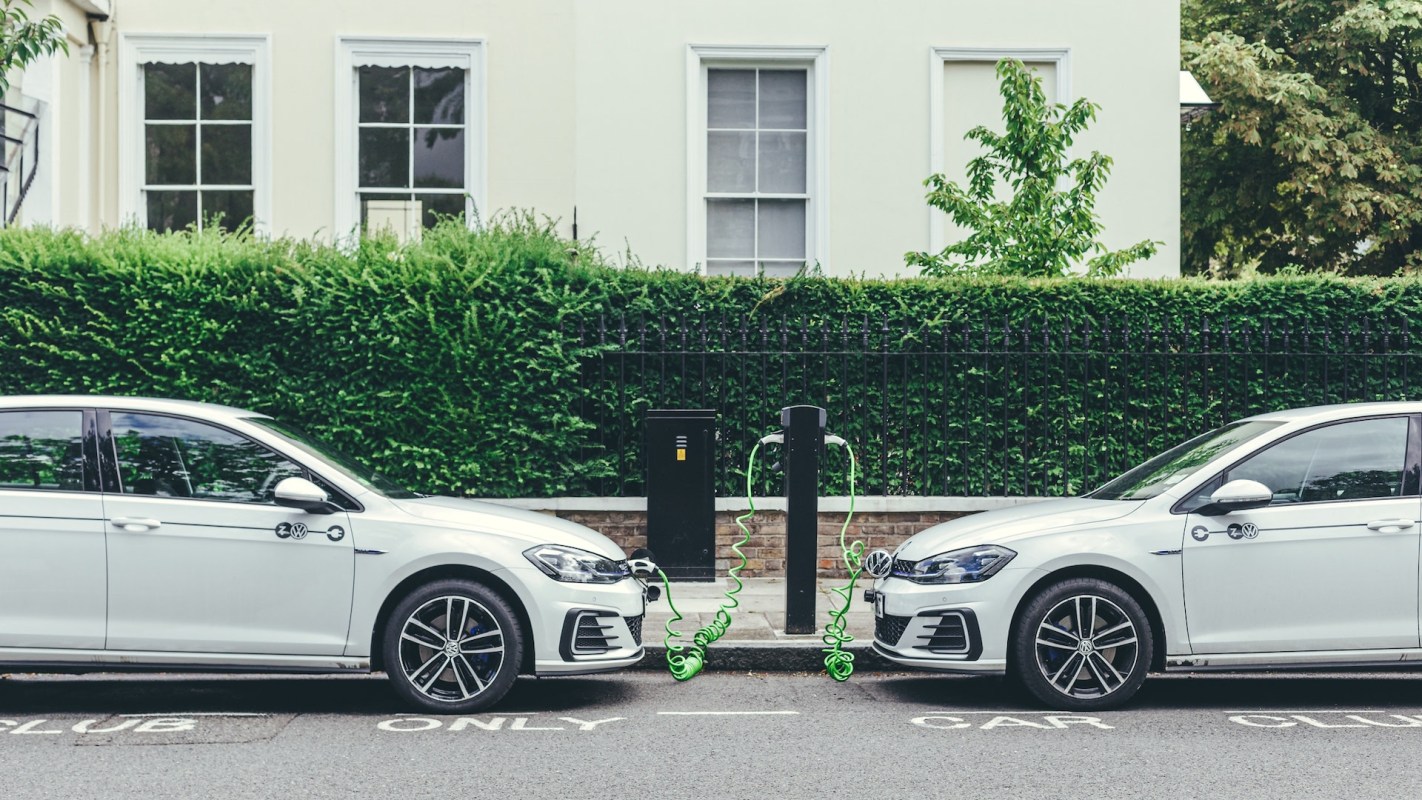
If you've wondered whether electric vehicles are really that much cleaner than their gas-powered cousins, a new study says the answer is a resounding yes.
Researchers from Duke University used computer modeling to simulate increasing EV adoption in the U.S. through 2050. What they found is that, despite the initial footprint of battery production, EVs more than make up for it compared to internal combustion engines.
The study, published in PLOS Climate, says EVs zero out their carbon footprint after just two years on the road compared to a gas-powered car traveling the same distance.
Researchers used the Global Change Analysis Model to simulate the emissions linked to EV adoption through 2050. That accounts for harmful carbon pollution generated through battery production, fuel production, vehicle assembly, and operation.
They compared this to the same scenario for gas-powered cars, finding EVs had a smaller environmental footprint after two years — and they also discovered the gap continues to widen as batteries improve over time. Each additional kilowatt-hour of battery capacity could cut emissions by around 485 pounds of CO2 by 2030 and another 280 pounds by 2050.
The financial and health impacts are major, too. The data shows economic damages from gas-powered cars, including healthcare costs linked to air pollution, are 2 to 3.5 times those of EVs. Ultimately, cleaner cars mean lower bills, less smog, fewer health problems, and safer communities.
TCD Picks » Quince Spotlight
💡These best-sellers from Quince deliver affordable, sustainable luxury for all




While the researchers noted some emissions, like those from end-of-life recycling or charging infrastructure, weren't included, the takeaway is that EVs are a crucial tool in cutting pollution. It's also worth noting that, although the initial environmental impact of EV battery production is high, gas cars catch up quickly once they're on the road. Also, most of the minerals in EV batteries can be reused; however, the dirty energy sources burned by gas cars cannot.
"While there is a bigger carbon footprint in the very short term because of the manufacturing process in creating the batteries for electric vehicles, very quickly you come out ahead in CO2 emissions by year three," said Duke University earth scientist Drew Shindell, a study co-author, according to U.S. News and World Report. "Then for all of the rest of the vehicle lifetime, you're far ahead."
University of Michigan professor Greg Keoleian, who wasn't involved in the study, said, "Accelerating the adoption of battery electric vehicles is a key strategy for decarbonizing the transportation sector which will reduce future damages and costs of climate change."
|
Would you feel safe driving an EV? Click your choice to see results and speak your mind. |
 Absolutely 👍
💰Get TCD's free newsletters for easy tips to save more, waste less, and make smarter choices — and earn up to $5,000 toward clean upgrades in TCD's exclusive Rewards Club.






