


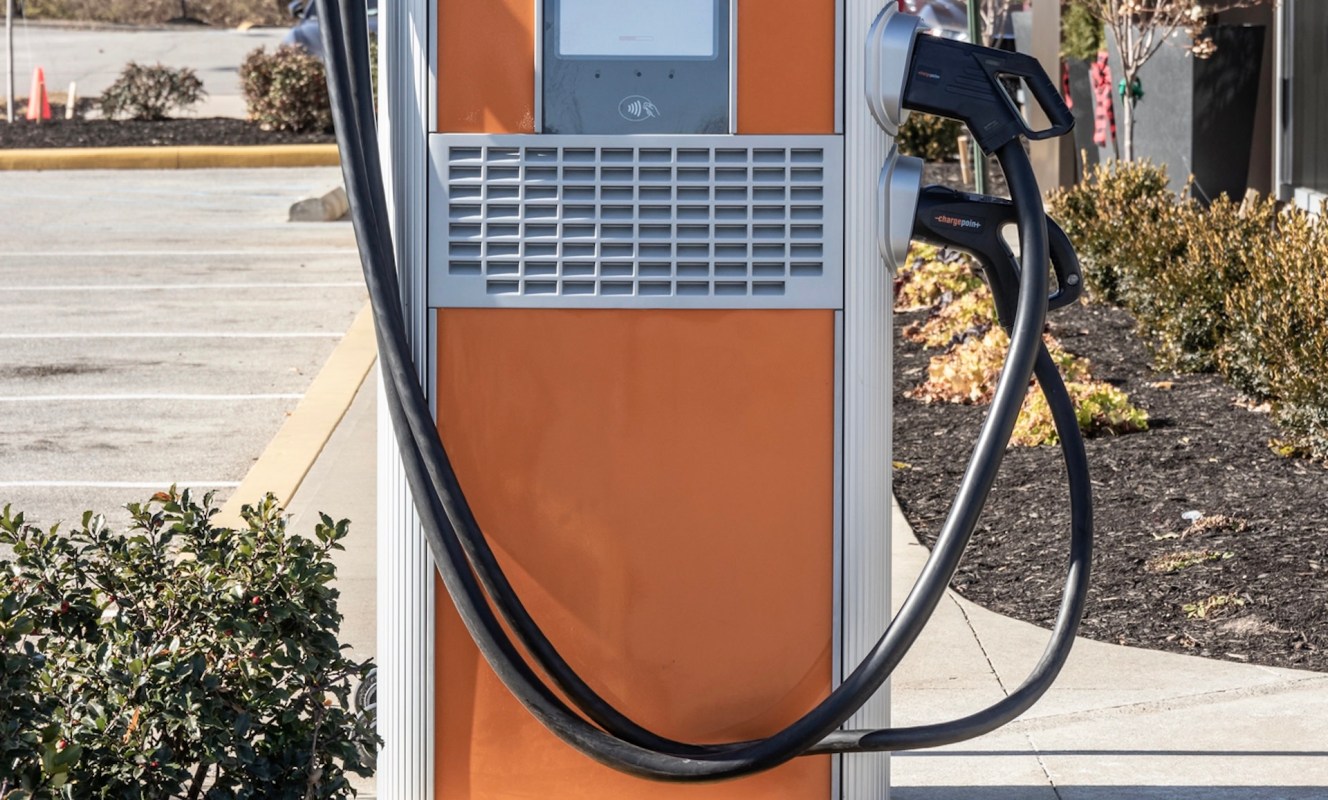
Electric vehicle owners will soon be able to charge their cars from zero to full faster than they finish their morning coffees — a breakthrough that might accelerate EV adoption, too.
The Tennessean shared the good news in a report on the scheduled launch of ChargePoint Express Grid in 2026. The 600-kilowatt DC fast charger can charge electric vehicles in about ten minutes. This means EV charging can soon feel much closer to stopping for gas, rather than an hour-long roadside siesta.
With 42% of EV owners prioritizing speed when choosing a public charge point, according to a McKinsey survey, charging stations that offer high-power, high-efficiency solutions like Express Grid could be a key differentiator for drivers.
As public fast chargers improve, using EVs for long commutes or road trips becomes more practical and convenient. Lines at urban charging hubs will also shorten, and encourage more people to use EVs during daily commutes to save time, money, and the planet.
Savings on fuel and maintenance costs alone already amount to $1,750 per EV each year, according to the U.S. Department of the Treasury — that's an estimated savings of up to $24,000 over a vehicle's lifespan.
Still, for most EV owners, home charging is where real savings come in. Home charging can save at least $0.07 per kWh or about a third of the cost of public DC fast charging, Qmerit reported.
EV owners looking to install Level 2 chargers at home can get a free estimate from Qmerit. They will be offered competitive rates for the most appropriate charging solutions based on their specific garage and electric panel setups.
Pairing the home charger with home solar can further increase savings — financially and environmentally. EV owners can use the TCD Solar Explorer to connect with installers and save up to $10,000 on installation costs through competitive bids on EnergySage.
Save $10,000 on solar panels without even sharing your phone number Want to go solar but not sure who to trust? EnergySage has your back with free and transparent quotes from fully vetted providers in your area. To get started, just answer a few questions about your home — no phone number required. Within a day or two, EnergySage will email you the best options for your needs, and their expert advisers can help you compare quotes and pick a winner. Solar panels can save you more than $50k over their 25-year lifespan, and EnergySage can help you save as much as $10k on installation. Which begs the question — isn't that worth an email or two? |

A Qmerit Level 2 EV charger powered by home solar dramatically increases the savings from using EVs. It reduces reliance on the grid and incurs much lower per-unit energy costs. Plus, EVs charged with solar contribute far less heat-trapping gas.
EVs produce zero tailpipe gases, and solar power generates electricity with zero operational pollution, per the Energy Information Administration. That means widespread adoption can lead to a substantial reduction in heat-trapping gases associated with human activity.
|
How long would you be willing to wait for an EV to charge? Click your choice to see results and speak your mind. |
 5 minutes or less ⏲️
 While a 600kW charger like the Express Grid requires heavy-duty infrastructure and extremely high power well beyond what most homes can handle, having such options in public charging stations still supports wider EV adoption and nudges more people to make their next car an EV.
As The Tennessean noted, "having access to quick charging once in a while is a game-changer for EV owners."

Get TCD's free newsletters for easy tips to save more, waste less, and make smarter choices — and earn up to $5,000 toward clean upgrades in TCD's exclusive Rewards Club.
Cool Picks





