


Concerns about the eventual role of artificial intelligence in daily life are legion.
But as The Guardian reported, one expert warned of a seemingly credible series of threats beyond common specters like mass unemployment or AI psychosis.
What's happening?
It's only been a few short years since OpenAI's ChatGPT was introduced and, along with it, the expectation of an AI-guided tech future.
Michael Wooldridge is a professor of AI at Oxford University, with credentials that outstrip those of a "LinkedIn pundit" or "AI booster." He raised the possibility of dangers outside of commonly cited risks, such as deskilling or disruptions to schooling.
While Wooldridge didn't exactly set those topics aside, he focused on what The Guardian described as "a Hindenburg-style disaster that shatters global confidence in the technology."
"It's the classic technology scenario. You've got a technology that's very, very promising, but not as rigorously tested as you would like it to be, and the commercial pressure behind it is unbearable," he said in a remark that sounded worryingly reasonable even without details.
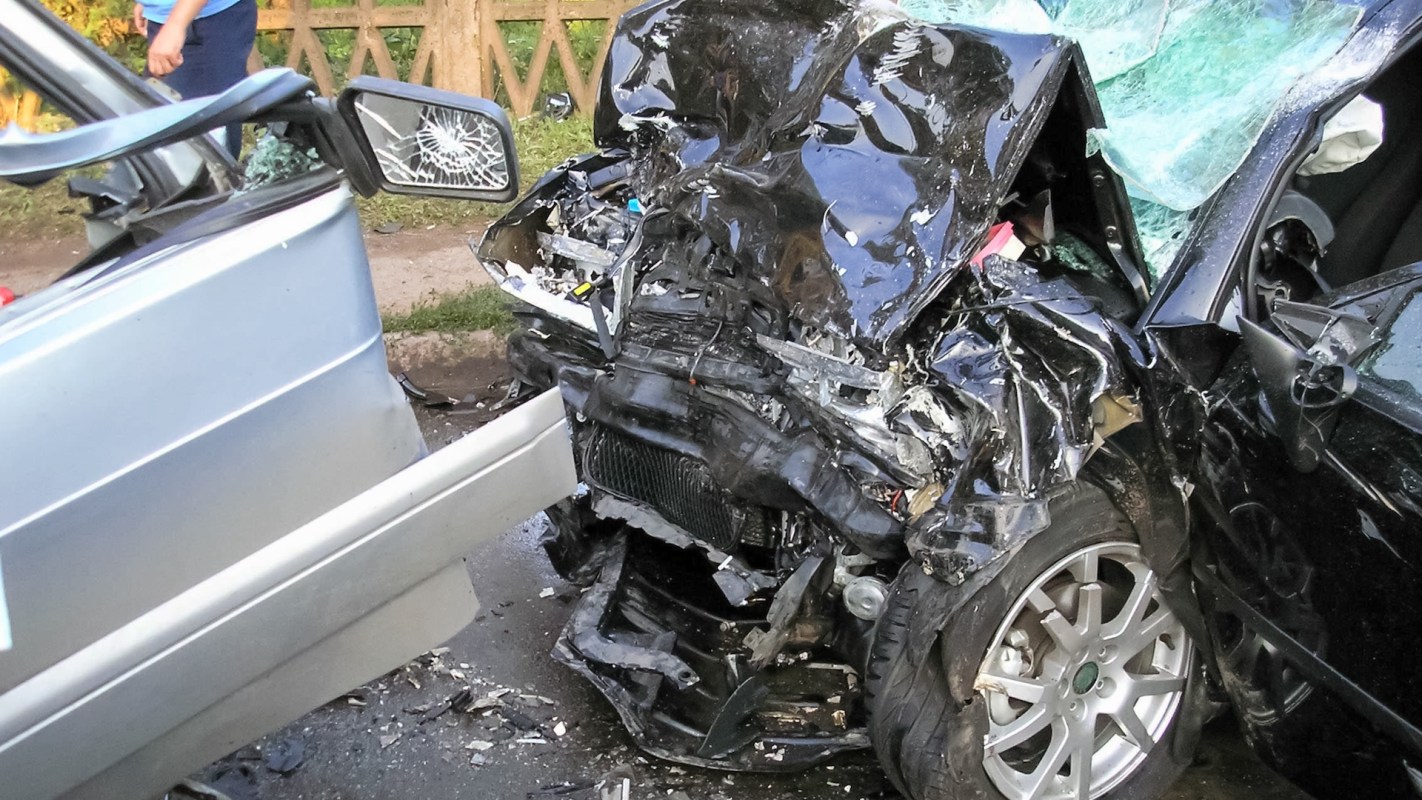
As for what that might look like, the paper provided examples. According to The Guardian, it could be something like "a deadly software update for self-driving cars [or] an AI-powered hack that grounds global airlines." It could even be a misguided AI banking decision that could collapse a bank at best, and an economy at worst.
Wooldridge's conjectures were almost certainly eerie to those who'd dabbled in a technology he described as "very, very approximate."
Why is this concerning?
By early 2026, ostensibly authoritative opinions on the technology's trajectory were rife — and quite often informed by an individual or entity's own deep investments in AI.
|
What's the most you'd pay per month to put solar panels on your roof if there was no down payment?
Click your choice to see results and speak your mind. |
 $200 or more 💰
 Insights from experts like Wooldridge and Geoffrey Hinton, dubbed the "Godfather of AI," carry more weight than those from AI-focused firms like Amazon or Meta.
TCD Picks » Upway Spotlight
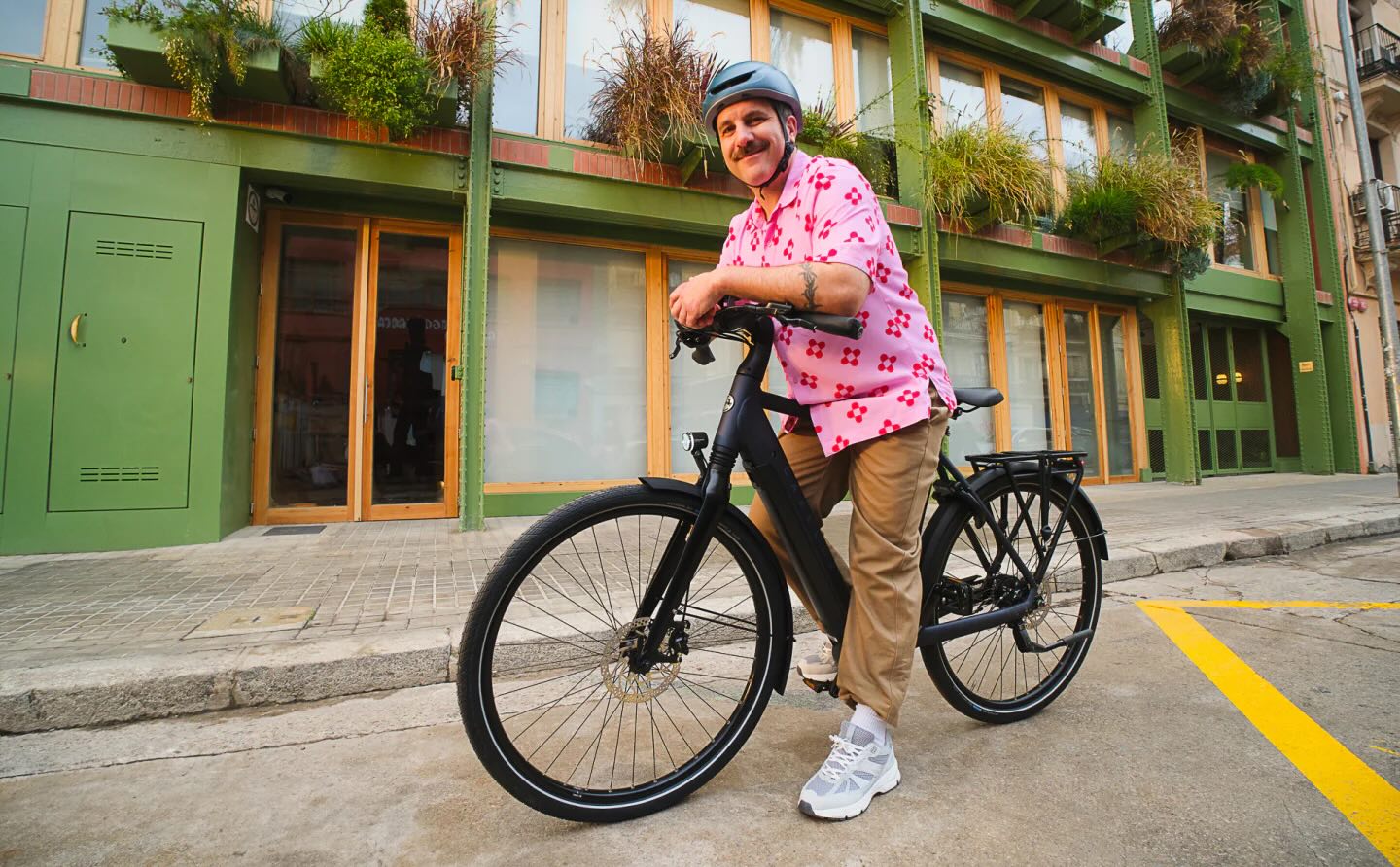
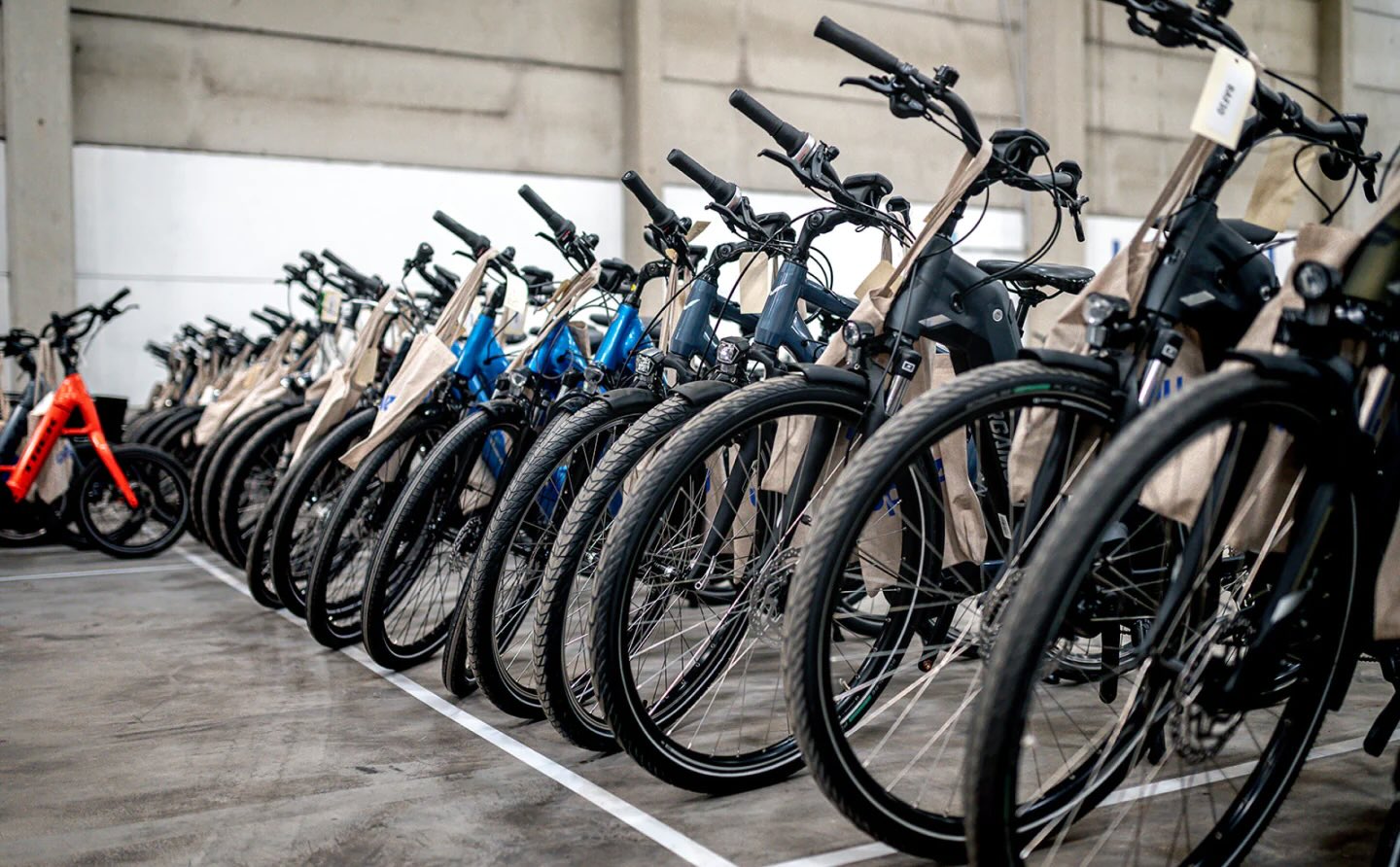
💡Upway makes it easy to find discounts of up to 60% on premium e-bike brands



One concern that surpassed the tech industry in scope was economic shocks considered possible or likely if AI were adopted more widely.
In late 2025, investing savant Michael Burry warned of a devastating AI bubble, fears seemingly shared by Google CEO Sundar Pichai.
Outside Silicon Valley, the rapid rise of AI already introduced unpleasant conditions for everyday people. Communities near data centers have complained of noise and air pollution as the number of facilities grows.
Across the United States, data center activity has driven up electric bills, tripling them in some areas. It prompted the Department of Energy to warn that future blackouts were certain unless additional grid capacity met escalating demand.
What's being done about it?
Wooldridge surmised that AI realism was sorely lacking.
"We need to understand that these are just glorified spreadsheets, they are tools and nothing more than that," he told The Guardian.
Communities have successfully pushed back against data center development, blocking close to $100 billion in projects in the second half of 2025.

Get TCD's free newsletters for easy tips to save more, waste less, and make smarter choices — and earn up to $5,000 toward clean upgrades in TCD's exclusive Rewards Club.
Cool Picks





