


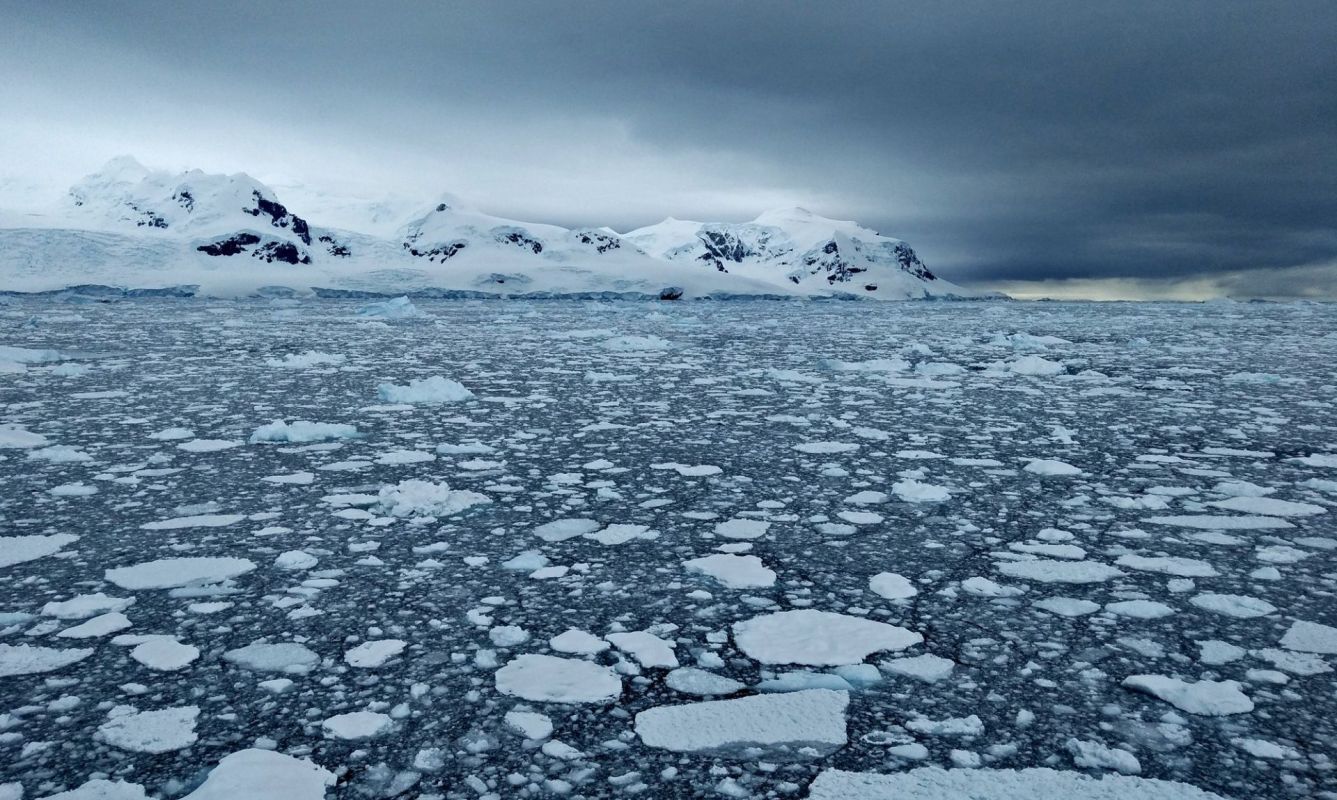
A new study published in Science Advances helps explain why Antarctic sea ice has plunged to record lows since 2015 and why recovery could become much harder in the years ahead.
What's happening?
After decades of resisting some of the worst effects of rising global temperatures, Antarctic sea ice began shrinking sharply around 2015 and reached record lows in 2023, Oceanographic reported.
Researchers mapped out the decline in three stages. Around 2013, stronger winds started drawing warm, salty water up from deeper layers. By 2015, those winds were forceful enough to churn stored heat toward the surface, speeding ice melt, especially in East Antarctica.
According to Oceanographic, the system has since entered a seemingly "irreversible" feedback loop. With less ice over the ocean, surface waters stay warmer and saltier, and new ice has a tougher time forming.
The process wiped out sea ice over an area roughly the size of Greenland.
The study also found that East and West Antarctica are losing ice through different mechanisms, adding another layer of complexity for scientists trying to predict what comes next.
TCD Picks » Quince Spotlight
💡These best-sellers from Quince deliver affordable, sustainable luxury for all




Why does it matter?
Sea ice acts like a giant mirror, reflecting sunlight back into space. When that bright surface disappears, the darker ocean absorbs more heat, which can accelerate the warming of the planet and further destabilize the climate system.
The effects do not stay confined to the polar region. Antarctic sea ice influences ocean circulation that stores heat and carbon.
Ice loss can also weaken the ocean conditions that help protect ice shelves, which hold back land-based glaciers.
"What started as a slow build-up of deep-sea heat under the Antarctic sea ice was followed by a violent mixing of water, ending in a vicious cycle where it's too warm to let ice recover," said lead author Dr. Aditya Narayanan.
What's being done about Antarctica's sea ice loss?
The immediate step is better understanding what changed and when, and this study gives scientists a clearer picture of that shift.
The research team used an advanced ice-measuring program to reconstruct the sequence of events, helping experts identify how human-caused climate change may be strengthening the winds that helped trigger the collapse.
That knowledge is important because it can improve forecasting and help policymakers prepare for a future with more volatile oceans, rising seas, and faster warming.
It also underscores the importance of cutting the heat-trapping pollution that is making large-scale shifts like this more likely.
As co-author Dr. Alessandro Silvano put it: "This isn't just a regional problem."

Get TCD's free newsletters for easy tips, smart advice, and a chance to earn $5,000 toward home upgrades. To see more stories like this one, change your Google preferences here.







