


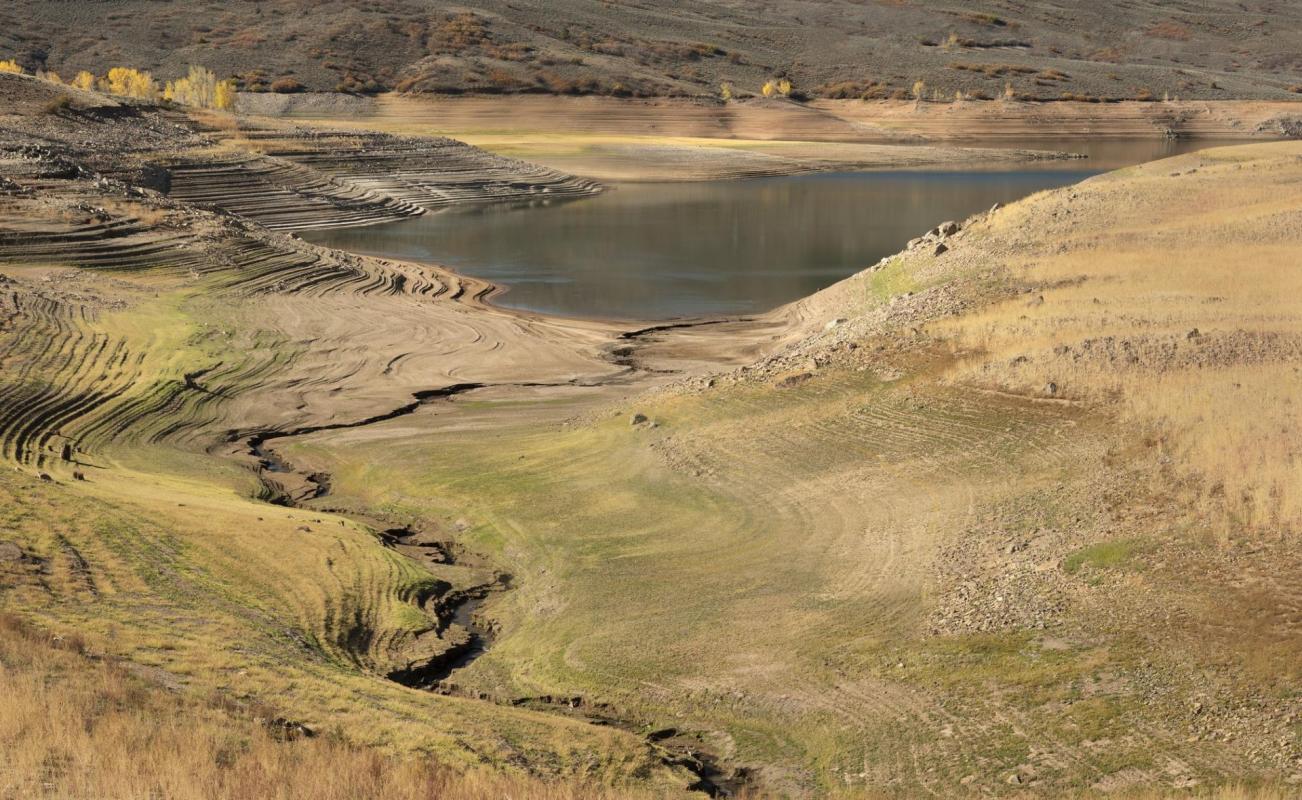
Cities across Colorado are rolling out some of their earliest water restrictions on record, forcing residents to rethink daily use.
What's happening?
Drought is spreading rapidly across the state, with nearly half of Colorado in extreme conditions — a stark shift from the start of 2026, when virtually none of the state fell into that category, according to CNN.
Officials from the University of Colorado Boulder said the combination of unusually low snowpack and an early-season heat wave created a perfect storm.
In places such as Denver and Aurora, water managers warned that this year's snowpack, which typically supplies much of the region's water, is the lowest in decades. At the same time, temperatures surged into the 80s and 90s as early as March, drying out landscapes weeks ahead of schedule.
"This is an incredibly serious situation for us," Todd Hartman of Denver Water said, per CNN. "We've never seen snow pack this low in our 50 years of records."
As a result, cities are taking action earlier than ever.
TCD Picks » Quince Spotlight
💡These best-sellers from Quince deliver affordable, sustainable luxury for all




Officials are urging residents to cut back sharply on outdoor watering, especially lawns, which can account for up to 70% of a community's water use. Some communities are going further, asking restaurants to serve water only upon request and encouraging the use of high-efficiency car washes to conserve every possible drop.
Why is this concerning?
Drought conditions can shrink water supplies for homes and businesses, strain agriculture, and increase wildfire risk.
Over time, persistent droughts can reshape entire regions, influencing what can be grown, built, or even sustained for generations to come.
What sets this year apart is the timing. Spring typically brings a crucial surge of snowmelt to fill rivers and reservoirs. But this year, the snow melted weeks early and in far smaller amounts, leaving supplies dangerously low.
|
Which of these savings plans for rooftop solar panels would be most appealing for you?
Click your choice to see results and earn rewards to spend on home upgrades. |
 Save $1,000 this year 💸
 Experts say rising global temperatures are contributing to more frequent and intense droughts that arrive earlier and last longer.
What's being done about it?
Cities are limiting outdoor watering and encouraging communities to rethink traditional lawns. One major culprit is Kentucky bluegrass, a popular but water-intensive grass not well suited to Colorado's dry climate.
In response, some communities are offering incentives to replace grass with native plants, shrubs, and more water-efficient landscaping — a shift that could permanently change the look of neighborhoods.
"[This] will be the year that people in the Southwest and Colorado will really learn the value of water," Aurora Water spokesperson Shonnie Cline said. "But 2027 could be worse."

Get TCD's free newsletters for easy tips to save more, waste less, and make smarter choices — and earn up to $5,000 toward clean upgrades in TCD's exclusive Rewards Club.







