


Farmers in Manicaland Province, Zimbabwe, are worried that crops in the area will continue failing, according to The Manica Post.
What's happening?
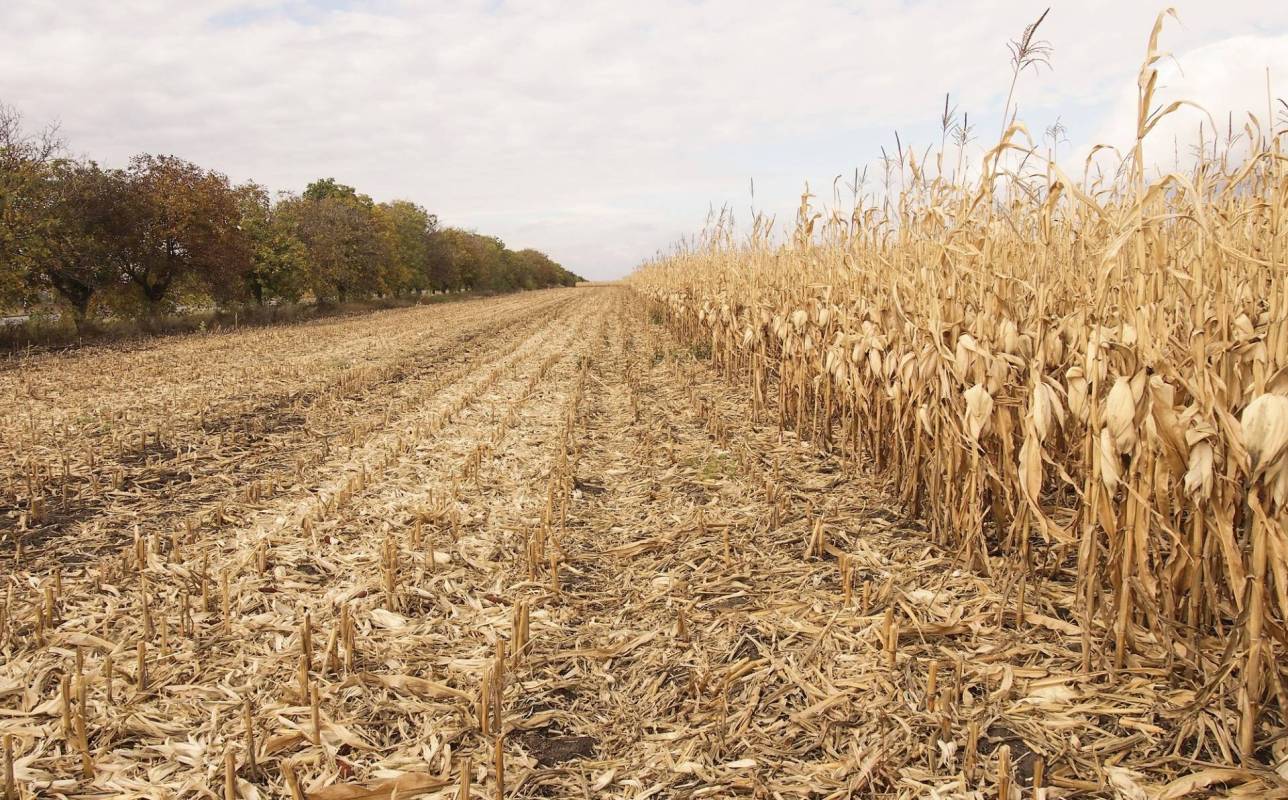
The Manica Post reported that high temperatures are causing major stress to crops like maize. Tobacco plants are even showing signs of false ripening, and some farms haven't had rainfall for a whole month.
"The dry spell here has prolonged and our crops are under severe threat. Farmers had planted mainly maize and rapoko," said Middle Sabi Farmers Association chairman Skumbuzo Todhlana. "The maize is at the flowering stage, which requires a lot of water for it to produce a healthy cob."
Todhlana went on to say that irrigation used to be a supplement to rainfall. But because some farmers are in so much debt, the Zimbabwe Electricity Supply Authority has switched off their irrigation systems.
The Tobacco Farmers Union Trust's president, Edward Dune, urged farmers to invest in irrigation. The Manica Post noted that he advocated for "even starting small with solar-powered boreholes."
But if farmers are in debt, irrigation investment might not be an option for them to save their crops.
TCD Picks » Quince Spotlight
💡These best-sellers from Quince deliver affordable, sustainable luxury for all




Why is crop failure concerning?
Extreme weather events are renowned for causing crop failure, and they're only getting stronger.
The world has always had extreme weather events, like drought and hurricanes. But rising global temperatures can increase the frequency and severity of these events.
Zimbabwe isn't the only country that's seeing widespread crop failure. Drought contributed to farmers in Ukraine's Kherson region losing more than 50,000 hectares of crops last year. Over in Italy, frosts and heavy rains reduced fig production by 70% last spring.
Those extreme weather events cause damage on and off farmland, and everyday people end up paying the price. Farmers' crop loss leads to higher food costs for crop staples like corn and soybeans, as well as luxury items. Meanwhile, property damage from extreme weather can cost a lot to fix.
|
Which of these savings plans for rooftop solar panels would be most appealing for you?
Click your choice to see results and earn rewards to spend on home upgrades. |
 Save $1,000 this year 💸
 What's being done about crop failure?
Fortunately, some of Zimbabwe's crops are still going strong. The Manica Post noted that farmers have seen success with staple crops like finger millet, groundnuts, round nuts, and rapoko.
This crisis, however, drives home two points: people must take action now to keep global temperatures down, and supporting local farms is crucial.
Advocating for community solar in your neighborhood can allow many people to save and reduce pollution at the same time. Supporting local farmers whenever possible can help them continue to pursue their livelihoods and provide food to others.

Get TCD's free newsletters for easy tips to save more, waste less, and make smarter choices — and earn up to $5,000 toward clean upgrades in TCD's exclusive Rewards Club.







