


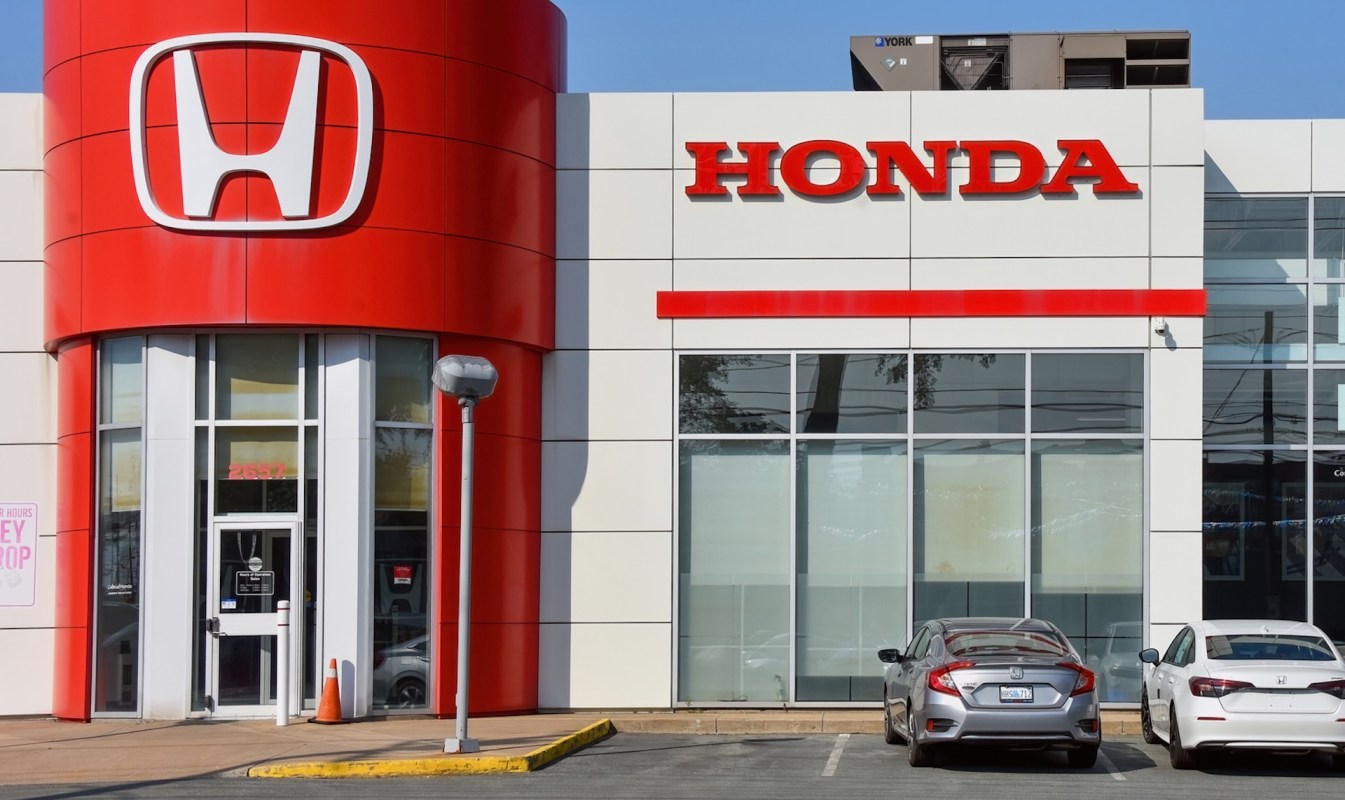
Honda reported its first annual loss in seven decades, according to Reuters, citing a massive $15.7 billion in unanticipated "restructuring costs."
What's happening?
On Thursday, Honda disclosed anticipated losses of 2.5 trillion yen along with an abrupt shift in manufacturing focus.
Three new Honda electric vehicles that were "months from starting production" at the company's Ohio EV facility were scrapped, Engadget reported.
As Reuters noted, Honda was not the only big-name automaker to suffer billion-dollar losses in late 2025 and early 2026, with a common cause behind them.
In July, the United States Senate passed the "One Big Beautiful Bill Act," abruptly reversing a longstanding federal EV tax credit. The loss of the provision was not the only sudden aspect of the legislation, as it took effect Sept. 30, leaving automakers scrambling.
Ford and GM also sustained multi-billion-dollar losses after the federal government moved to curtail EV momentum.
TCD Picks » Quince Spotlight
💡These best-sellers from Quince deliver affordable, sustainable luxury for all




According to Reuters, Honda CEO Toshihiro Mibe admitted that the loss of EV credits in the U.S., coupled with new low-cost EV options, made it "very difficult" for the brand to turn a profit.
Why is this concerning?
Reuters attributed Honda's losses to the fact that demand for EVs had "fallen sharply."
However, studies have shown remarkably high satisfaction among EV owners and drivers. In European countries such as Norway, drivers have chosen EVs over gas-powered cars at high rates year over year.
EV sales hit record highs in the United States in 2025, and the CEOs of both General Motors and Ford maintained that EVs were the future in remarks made after the credit was rescinded.
|
Which of these savings plans for rooftop solar panels would be most appealing for you?
Click your choice to see results and earn rewards to spend on home upgrades. |
 Save $1,000 this year 💸
 Policy headwinds and demand are easily differentiated; auto manufacturers were forced to change course despite their long lead times for research and development.
America's sudden shift away from supporting the clean energy transition was clearly the primary driver of industry-wide, billion-dollar losses — but carmakers' attempts to navigate the loss of subsidies were repeatedly framed as consumer disinterest in EVs.
Electric cars don't just save drivers money on gas; they also don't produce tailpipe pollution. More EVs on the road mean cleaner air for everyone, whereas a shift away from electrification creates more harmful carbon pollution at scale.
Moreover, misleadingly framing the issue as demand-related rather than as a deliberate policy function could discourage drivers from making their next car an EV.
What's being done about it?
Although the federal EV credit remains on ice, automakers were resolute in their belief that electrification was the future, albeit a more distant one in the U.S.
While manufacturers like Honda retooled their strategies, states like California and Texas stepped up to fill the gap and support EV sales.

Get TCD's free newsletters for easy tips to save more, waste less, and make smarter choices — and earn up to $5,000 toward clean upgrades in TCD's exclusive Rewards Club.






