


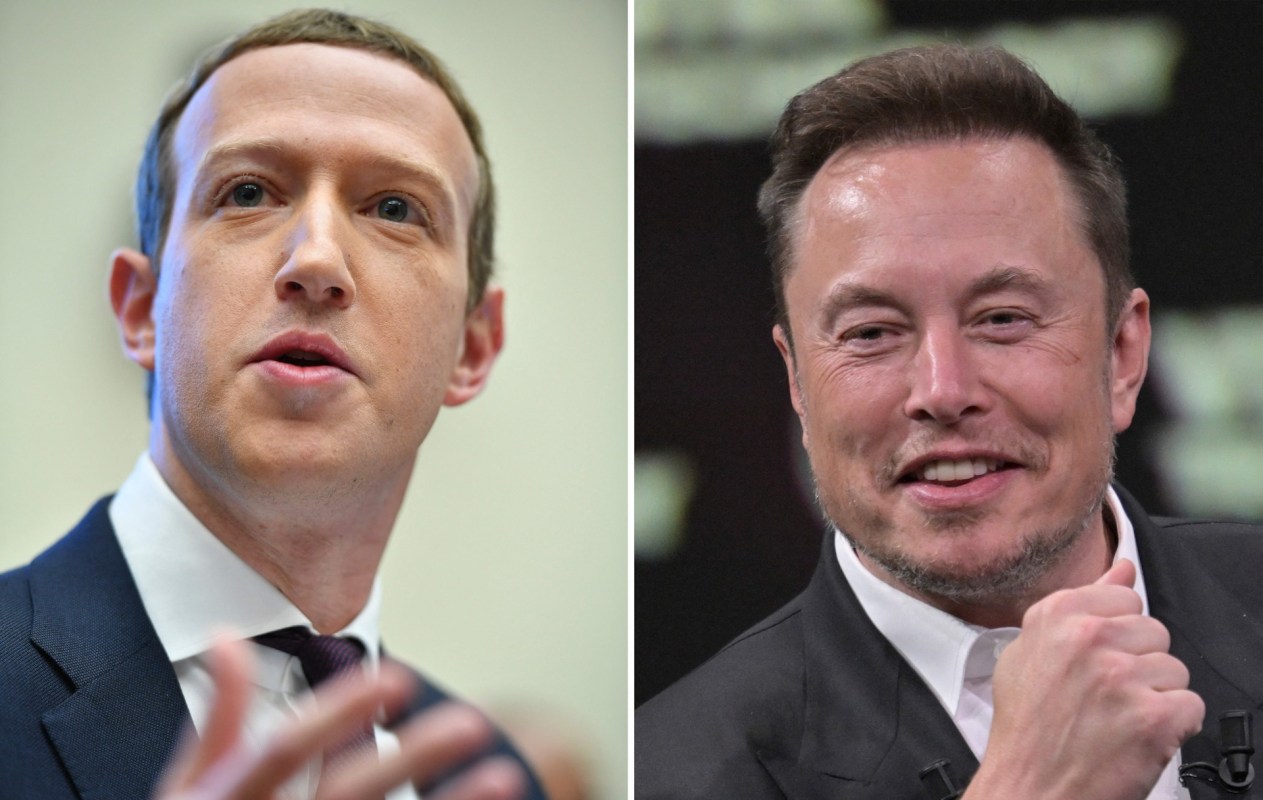
Few industries are as privy to corporations' dirty secrets as public relations is, and one former spokesman who ran media interference for tech titans such as Mark Zuckerberg and Elon Musk is speaking out, according to Time magazine.
What's happening?
Dex Hunter-Torricke spent 15 years advising the likes of Musk and Zuckerberg through various public foibles.
In that time, he deftly "spun optimistic stories about how tech giants were leading the world toward a brighter future." As increasingly common, Hunter-Torricke developed reservations about the gap between reality and the rosy portraits he painted.
"I only told half the story," he told a Time reporter. While he arguably defined the role of a PR professional succinctly, he admitted he deemed it "a failing."
Along with others within or close to the tech industry, Hunter-Torricke threw in the towel last year, pivoting to put the brakes on a narrative "he had been paid handsomely to promote."
Like other tech insiders who raised alarms after leaving the moneyed firms rapidly advancing technologies such as artificial intelligence, Hunter-Torricke began to fear its potential to cause global "upheaval," including job losses, conflict, and environmental devastation.
TCD Picks » Quince Spotlight
💡These best-sellers from Quince deliver affordable, sustainable luxury for all




Ultimately, it was what tech CEOs hadn't planned for that kept Hunter-Torricke up at night. He warned that the industry at large had "no plan" other than "winging it through the biggest economic and technological transition in human history," which deeply unnerved him.
"We are sleepwalking into disaster," he cautioned to Time, citing already worsening AI-related problems.
Why is this concerning?
Hunter-Torricke is far from the first former insider to voice these particular concerns.
Geoffrey Hinton earned the honorific "the Godfather of AI" for his contributions to AI's development; he has repeatedly expressed near-identical concerns after leaving the industry.
TCD Picks » Quince Spotlight
💡These best-sellers from Quince deliver affordable, sustainable luxury for all
|
What's the most you'd pay per month to put solar panels on your roof if there was no down payment?
Click your choice to see results and speak your mind. |
 $200 or more 💰
 Investing expert Michael Burry provided a detailed explanation of what he called an "AI bubble," and even Google CEO Sundar Pichai wouldn't rule out the possibility of an economic meltdown.
While myriad speculative concerns about AI's future have dominated the news, the technology is already disrupting the lives of millions outside of Silicon Valley.
The employment market has been shaken hard by human-sounding large language models, making it nigh on impossible for candidates and hirers to connect. Meanwhile, the data centers needed to enable ChatGPT to answer queries have proved a menace to communities.
Data centers were already controversial for generating noise and air pollution, and then electric bills nationwide began to spike, doubling or tripling in some states.
An increase in energy demand drew a rare warning about grid capacity from the Department of Energy.
What's being done about it?
Hunter-Torricke told Time that he hoped to build a "global movement" that could challenge the tech industry's "control over the future."
Calls for oversight have yielded results, as has community action, which halted $98 billion in planned data center development late last year.

Get TCD's free newsletters for easy tips to save more, waste less, and make smarter choices — and earn up to $5,000 toward clean upgrades in TCD's exclusive Rewards Club.







