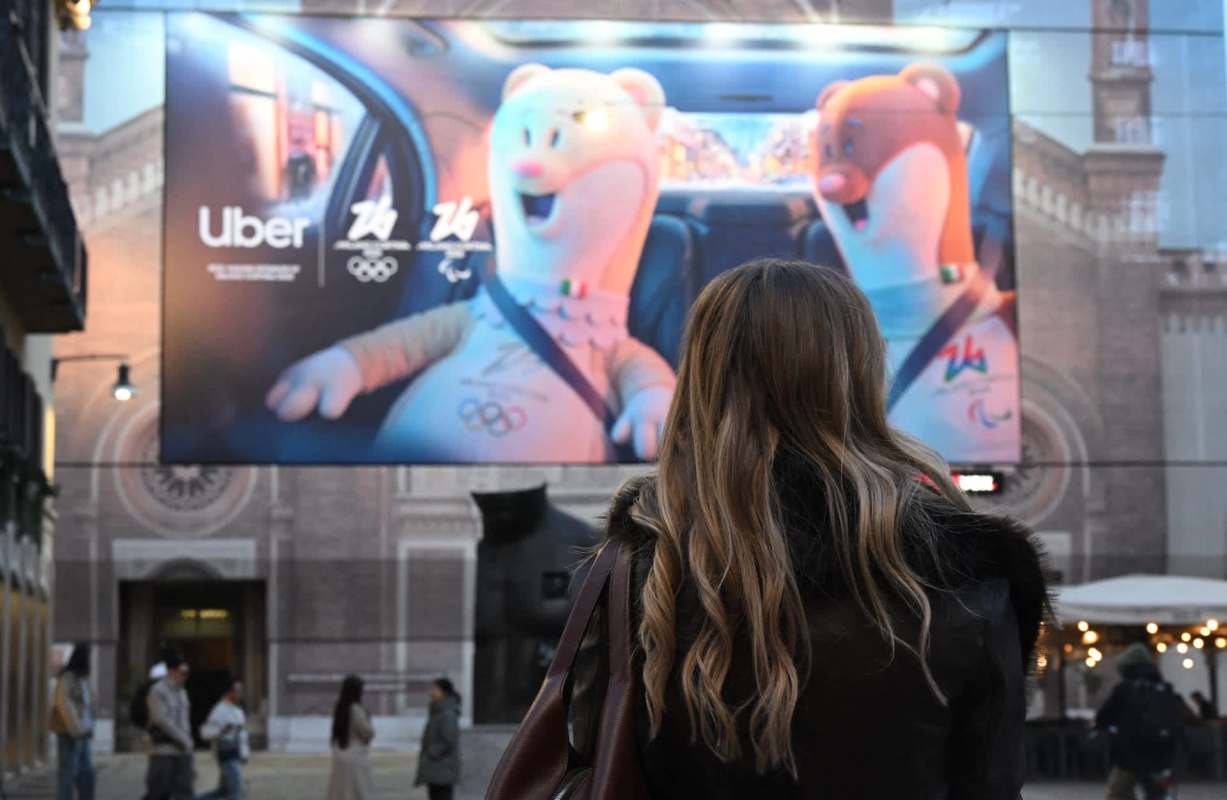
Payment processing network Visa unveiled a new, artificial intelligence-powered digital ambassador for the 2026 Winter Olympics, Little Black Book reported.
What's happening?
Visa is one of the most prominent official partners of the Milan-Cortina 2026 Olympic Games, slated to run through Feb. 22.
On Nov. 17, the International Olympic Committee lauded Visa's "40 years as a worldwide Olympic partner" and detailed the brand's planned ad campaigns, vaguely mentioning a "new AI-powered creative featuring Team Visa athletes."
On Thursday, Little Black Book detailed Visa's V, described as "a new AI-created digital character designed to support people in developing their talents and achieving their ambitions."
In collaboration with Saatchi & Saatchi Italy, Merk & Kremont, and Warner Music, Visa Europe released an AI-generated music video Feb. 6 that LBB proclaimed was "the debut of Visa's cultural platform designed to inspire the next generation."
LBB characterized V as an AI-created project that was "deeply human in its meaning," but the video had only a smattering of comments, primarily negative.
Get cost-effective air conditioning in less than an hour without expensive electrical work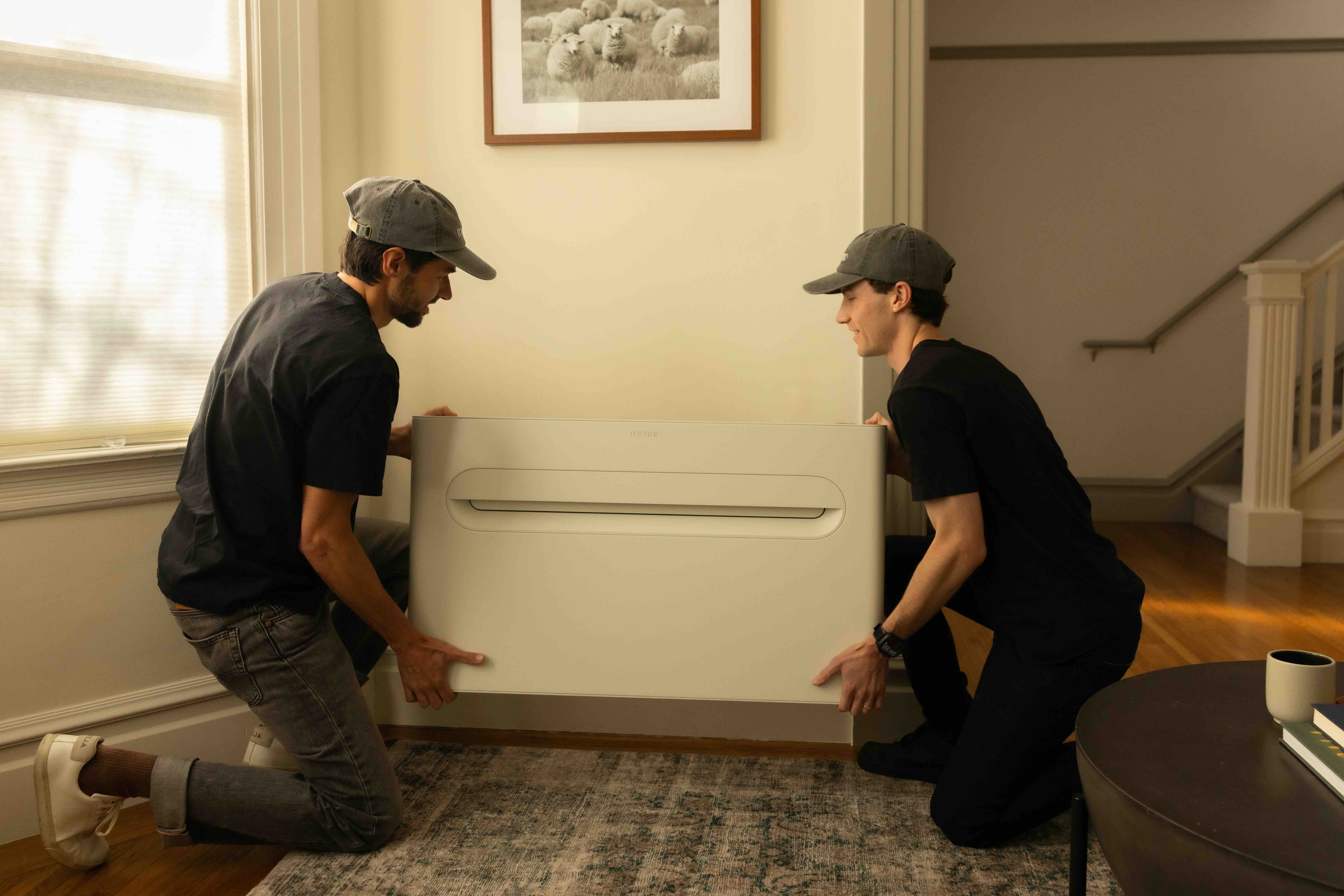 The Merino Mono is a heating and cooling system designed for the rooms traditional HVAC can't reach. The streamlined design eliminates clunky outdoor units, installs in under an hour, and plugs into a standard 120V outlet — no expensive electrical upgrades required. And while a traditional “mini-split” system can get pricey fast, the Merino Mono comes with a flat-rate price — with hardware and professional installation included. |

"Singers already don't earn anything, now record companies don't have to pay even that little. … Speaking of the song, it's tasteless. … It's everything and nothing, but with a medium-low quality," one person wrote in Italian.
"Hopefully, AI-generated music videos don't become a trend. There are plenty of talented people in real life all over the world," another remarked.
Why is this concerning?
While Visa's V campaign generated a handful of articles, the payment processing giant didn't seem to promote it otherwise.
V wasn't the first AI-related Olympics content to fall flat or draw criticism.
TCD Picks » Quince Spotlight
💡These best-sellers from Quince deliver affordable, sustainable luxury for all




|
What's the most you'd pay per month to put solar panels on your roof if there was no down payment?
Click your choice to see results and speak your mind. |
 $200 or more 💰
 A widely viewed AI-generated Opening Ceremony video was poorly received, and a Czech figure skating duo went viral for using AI-generated music in an ice dance routine.
On Reddit's r/olympics, users overwhelmingly deemed the AI content jarring and disheartening.
"I thought the Olympics was supposed to be a celebration of human feats, and they chose to include AI slop. It's very disappointing," one aptly observed.
"Looked so horrible. With all the money the Olympics have, you would think they could just pay someone to do this a lot better," another agreed.
In addition to consistent criticism about the frequently poor quality of AI-generated content — often described as "AI slop" — artificial intelligence remains controversial for myriad reasons.
The rise of AI has led to the abrupt construction of data centers required to power it, facilities that have become public nuisances. Data centers are noisy and consume enormous amounts of resources, such as energy, causing electric bills to skyrocket nationwide.
As AI-related energy demand escalated, the Department of Energy warned that the public grid was faltering, potentially increasing the risk of blackouts.
What's being done about it?
Visa's project garnered little notice, raising the possibility that growing disdain for AI led the brand to reconsider its approach on the fly.
Bipartisan public backlash against AI and data centers rose so sharply in late 2025 that nearly $100 million in data center development plans were scrapped.

Get TCD's free newsletters for easy tips to save more, waste less, and make smarter choices — and earn up to $5,000 toward clean upgrades in TCD's exclusive Rewards Club.
Cool Picks