


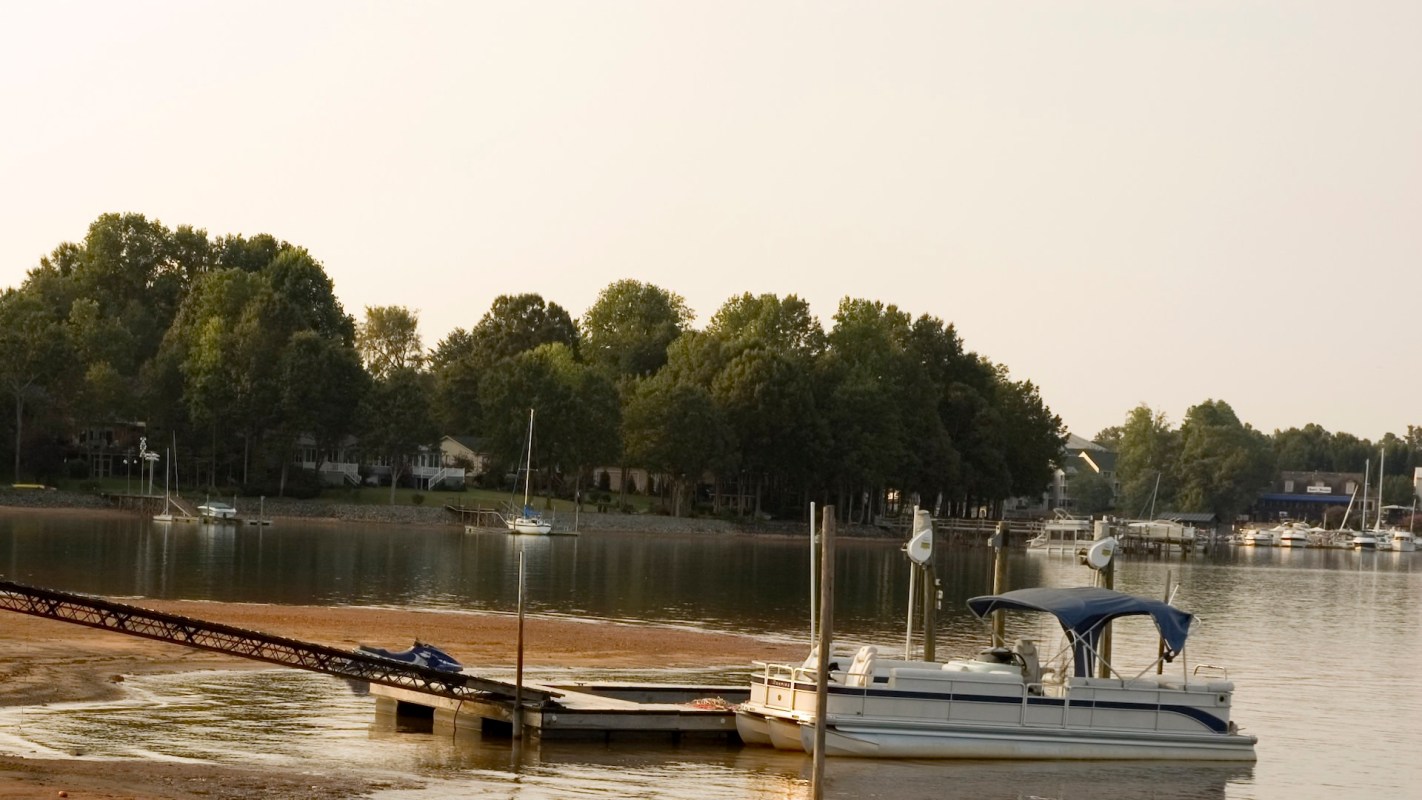
The state of North Carolina has been experiencing an abnormally dry autumn and winter — a phenomenon expected to persist through early spring.
What's happening?
According to the Raleigh News & Observer, almost the entire state is experiencing some degree of drought, although the central regions appear to be the most affected, according to a drought-severity map from the National Weather Service.
The summer of 2025 proved wetter than usual for North Carolina, with some parts in the central-north receiving more than 10 inches of rain in July, per the Raleigh News & Observer. But ever since then, it's been unusually dry, and it doesn't seem as though the drought will ease up anytime soon.
This January, the Raleigh-Durham International Airport area has received only 0.02 inches of rainfall — down from at least 3.5 inches for the month in usual years.
While the state hasn't yet issued strict water regulations or outdoor-burning bans, experts strongly recommend that residents be mindful of their water consumption and note that outdoor burning "is not recommended" during this risky period.
Meteorologists ascribe the low rainfall in part to a weak La Niña pattern that typically translates to drier, warmer winters for the South and Southwestern U.S. — but that's far from the only cause.
TCD Picks » Quince Spotlight
💡These best-sellers from Quince deliver affordable, sustainable luxury for all




Why is dry weather concerning?
North Carolina isn't the only region to experience a warmer, drier winter. Many of the western states have experienced something similar, as have the upper Midwest and parts of New England. Outside the U.S., Switzerland, Germany, and the U.K. have endured severe droughts in recent months.
It's no small concern. Prolonged droughts can not only increase the likelihood of devastating wildfires but also endanger agriculture and other livelihoods, putting the success of local and even natural economies at risk.
While climate patterns such as El Niño can affect weather patterns to a degree, the recent severity of droughts and other climate extremes can be attributed to human-driven climate change. After all, pollution-heavy human technologies such as power plants and combustion vehicles help contribute to the heat trapped in our atmosphere, leading to warmer ocean waters and drier wind fronts.
What's being done about dry winters?
While not much can be done to reverse climate change immediately, small actions adopted at a collective scale can make a difference. Switching to solar energy, upgrading to energy-efficient home appliances, or even choosing public transportation over your private vehicle can all help reduce the pollution you produce daily.
Meanwhile, larger conservation efforts for our oceans and forests can help us preserve these natural carbon sinks and thereby help undo some of the environmental damage we've already incurred. Be sure to vote for climate-conscious candidates in your region to maximize government funding for research and cleanup endeavors as well.
|
Do you worry about having toxic forever chemicals in your home?
Click your choice to see results and speak your mind. |
 Majorly 😥
Get TCD's free newsletters for easy tips to save more, waste less, and make smarter choices — and earn up to $5,000 toward clean upgrades in TCD's exclusive Rewards Club.







