


A fast-growing invasive plant is spreading across Indiana, and experts said its familiar name may have helped it slip under the radar. According to IndyStar, the multiflora rose has become increasingly widespread across the state in recent years.
What's happening?
William Shakespeare famously wrote, "A rose is a rose by any other name." In Indiana, though, the name matters — a lot.
Rosa multiflora may sound ornamental, but it is anything but. Not native to North America, the plant was introduced in the 1800s and widely planted by farmers to fence in livestock and by homeowners drawn to its small white flowers. Over time, it escaped those boundaries and spread aggressively.
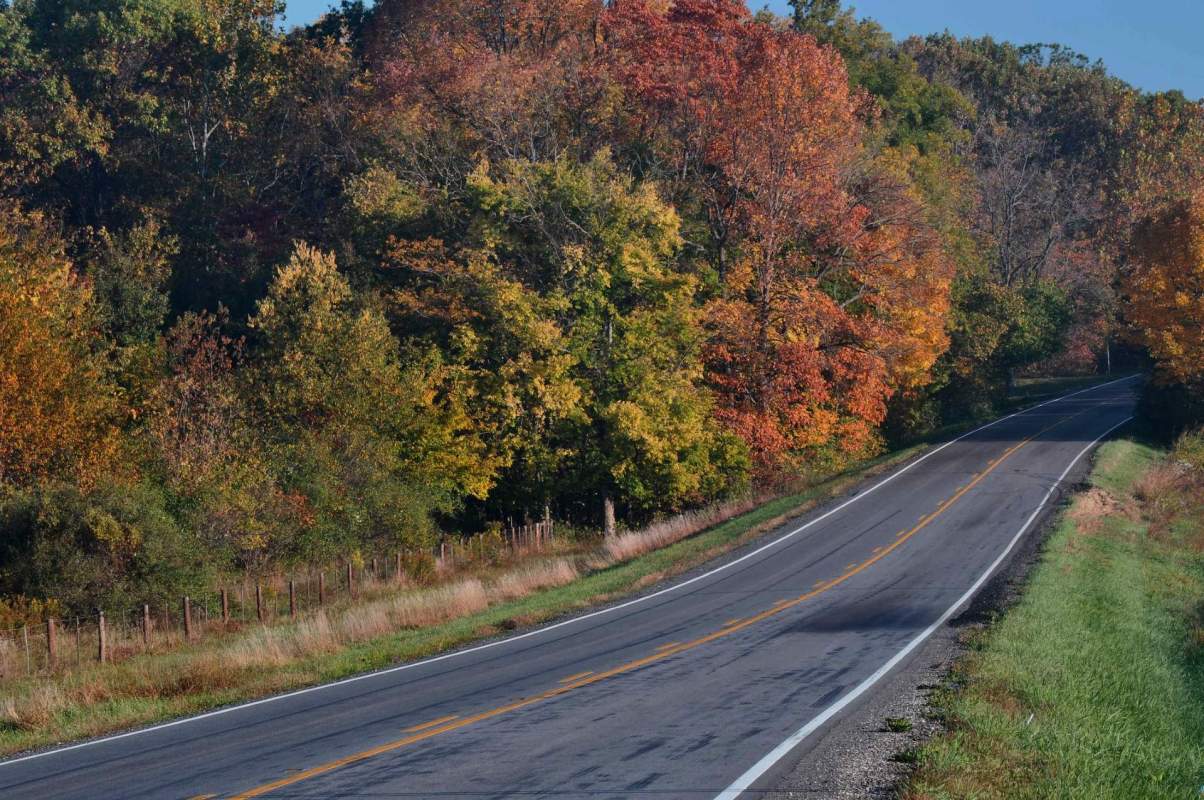
Today, multiflora rose can grow up to 15 feet tall, forming dense, thorny thickets that snake up trees and crowd out native plants. Will Drews, a nursery inspector with the Indiana Department of Natural Resources, told IndyStar that the plant is "growing along roadsides, forest edges, interior forests, old fields, and pastures. Basically everywhere."
The plant spreads through seeds carried by birds and by root layering, allowing it to expand rapidly once established.
Why is this concerning?
Multiflora rose doesn't just take up space — it outcompetes native plants for sunlight, water, and nutrients. As it spreads, it pushes out species that local wildlife depend on for food and shelter.
TCD Picks » Quince Spotlight
💡These best-sellers from Quince deliver affordable, sustainable luxury for all




For communities, that shows up in everyday ways — from blocked walking trails and overgrown property lines to higher costs for landowners trying to keep fields, forests, and public spaces usable.
At the same time, those thickets restrict animal movement, reduce plant diversity, and disrupt ecosystems that help manage water, soil health, and pests. When native plants disappear, the ripple effects hit insects, birds, and mammals.
Indiana isn't alone. Similar invasive species stories have played out across the country, from fast-spreading grasses to aquatic plants that clog waterways, slowing progress toward healthier, more resilient communities.
What's being done about it?
Land managers, conservation groups, and residents are actively working to control the multiflora rose. Programs like the U.S. Department of Agriculture's Environmental Quality Incentives Program support landowners in removing invasive shrubs and restoring native plants.
|
If you were to switch from a grass lawn to a more natural option, which of these factors would be your primary motivation?
Click your choice to see results and speak your mind. |
 Making it look better 🌱
 "It is being controlled actively," Drews told IndyStar, though long-term success depends on prevention, persistence, and public awareness.
Homeowners play a bigger role than they might realize. Multiflora rose often spreads from nearby yards into woods and fields, so avoiding invasive plants in landscaping can make a real difference. Learning what the plant looks like — and swapping it out for native shrubs — helps provide local wildlife with food and breathing room, rather than another wall of thorns.

Get TCD's free newsletters for easy tips to save more, waste less, and make smarter choices — and earn up to $5,000 toward clean upgrades in TCD's exclusive Rewards Club.







