


Visitors spotted a young tiger near a tourist attraction in Thailand, prompting officials to worry.
What's happening?
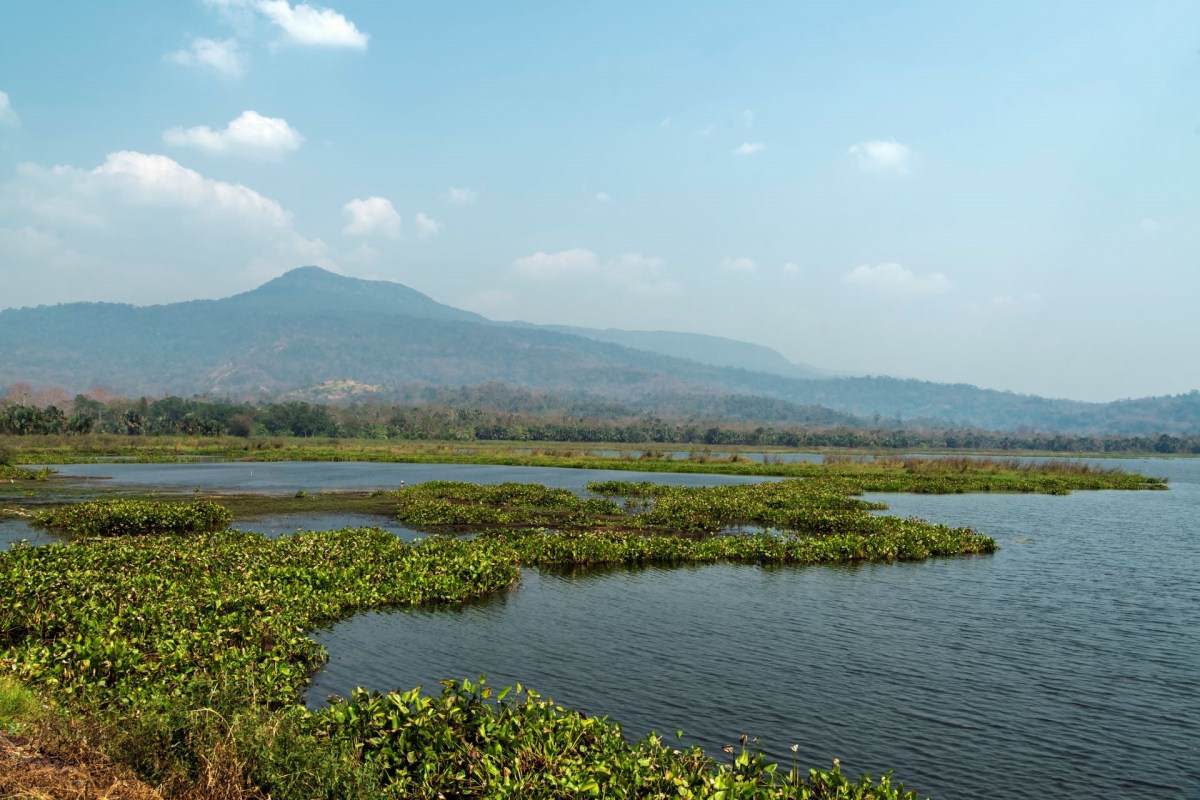
A young male tiger was captured on video by tourists near a mountainous lookout in the Wang Nam Khiao district, known for its panoramic views, The Thaiger reported in early December. Staff at the Thap Lan National Park and authorities were alerted to the sighting.
The park dispatched a team to monitor the area, assisted by the Royal Thai Air Force's radar system, aiming to ensure the safety of the public and the tiger, according to the outlet. The sighting appeared to be isolated, and officials suspect that the smell of a dead python drew the tiger in.
Park officials identified the animal as a male from a litter with two other siblings, females that had been previously tagged with satellite-connected collars. The male did not have a collar, making it harder to track.
The primary concern from park officials was the potential for a human-tiger encounter. They noted that the young tiger could react aggressively if startled. Tourists seeking out the animal could also unintentionally exacerbate related risks.
Why is this notable?
While the World Wildlife Fund reported in 2024 that Thailand's tiger population has increased in recent years thanks to conservation efforts, the animals still face habitat degradation from logging and poaching.
TCD Picks » Quince Spotlight
💡These best-sellers from Quince deliver affordable, sustainable luxury for all




Habitat loss can drive animals to seek food, water, and shelter closer to human settlements — from tourist attractions to residential neighborhoods — increasing the chances of human-wildlife encounters. These encounters can be dangerous for humans and for animals, with both at risk of injury and the latter potentially facing euthanasia if feared to pose a threat.
Animals may also face risks when tourists attempt to feed them unsafely. In 2024, a locally famous deer in Scotland had to be euthanized after tourists fed it inappropriate food.
What's being done?
Park officials considered temporarily limiting access to the lookout to reduce the risk of human-tiger encounters and increasing camera monitoring. They also urged everyone to keep their distance from any tigers they may spot.
These measures should help keep everyone safe in the short term. In the long term, however, protecting and restoring natural habitats will be key to the survival of wildlife and humans. Conserving large swaths of land can ensure animals are able to maintain a healthy distance from people — and that people can benefit from rich biodiversity as well as time safely spent in nature.
|
Do you think America does a good job of protecting its natural beauty? Click your choice to see results and speak your mind. |
 Definitely 👍
Get TCD's free newsletters for easy tips to save more, waste less, and make smarter choices — and earn up to $5,000 toward clean upgrades in TCD's exclusive Rewards Club.







