


Researchers are urging Washington state to adopt a new method of solar farm construction that could help meet clean energy goals without sacrificing farmland. It could even make life easier for farmers and communities.
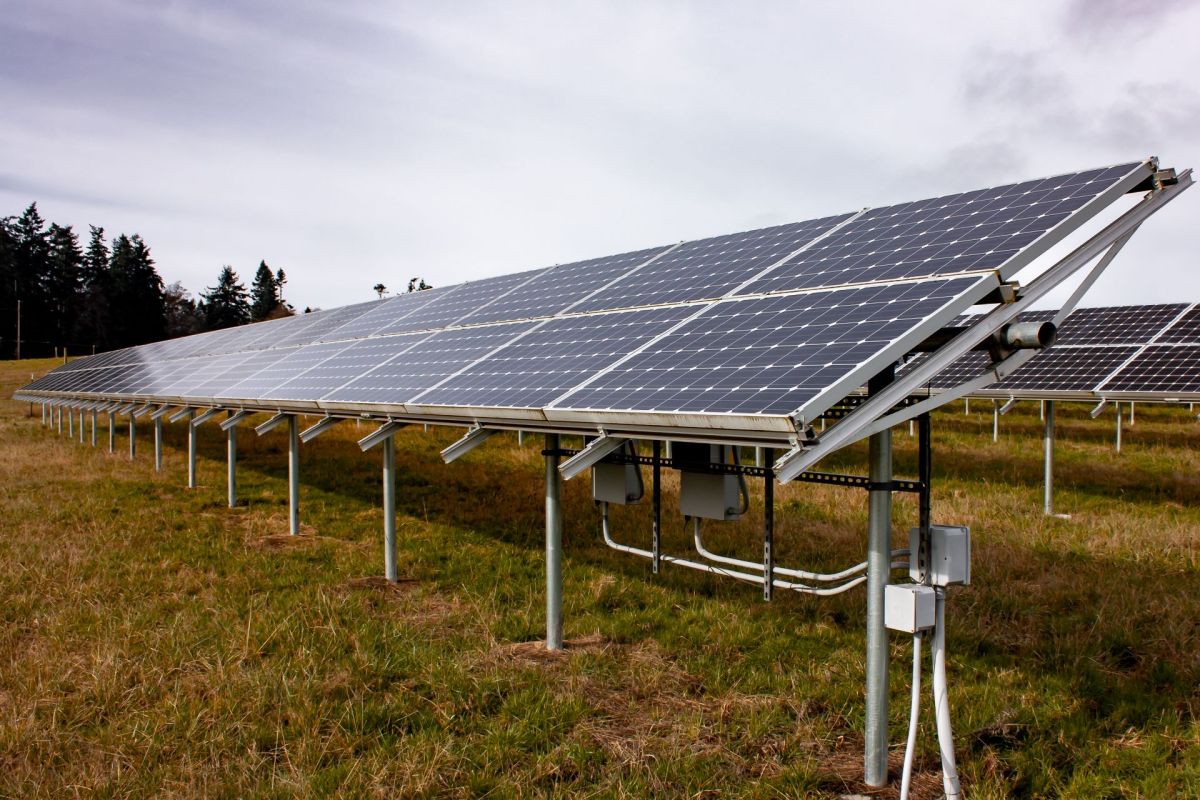
The approach, called agrivoltaics, allows solar panels to be installed above working agricultural land. This method allows crops to grow and livestock to graze beneath them.
A new report prepared for the Washington State Department of Commerce outlined how agrivoltaics could support renewable energy efforts while protecting rural economies.
Washington has ambitious renewable energy targets, but demand is expected to rise as transportation, heating, and industries use more electricity. While rooftop solar remains important, researchers estimate it could meet less than 30% of the state's total energy needs. That reality has increased pressure to place solar arrays on farmland — land that communities also depend on for food production.
Agrivoltaics offers a middle path.
Solar panels cast partial shade rather than fully covering the land, allowing some crops, fruits, and livestock to thrive beneath them. In some cases, the shade can reduce heat stress, lower irrigation needs, and improve animal welfare. Panel structures can even function as farm infrastructure like trellises or shade cloth.
TCD Picks » Quince Spotlight
💡These best-sellers from Quince deliver affordable, sustainable luxury for all




Still, researchers caution that agrivoltaics is not a one-size-fits-all solution.
"It is noteworthy that crops that tolerate or benefit from agrivoltaics can vary in their success under agrivoltaic systems as a function of regional or local climate, soils, variety, and other conditions, making generalization challenging," the report noted.
Even so, farmer interest remains strong. More than half of surveyed farmers said they were more interested in hosting solar projects when agricultural production could continue. 57% expressed moderate to strong interest in agrivoltaics.
Beyond farms, agrivoltaic systems can stabilize local energy supply, reduce air pollution, and support food resilience as extreme heat becomes more common. Similar projects have already shown promise, including pollinator-friendly solar farms that boost biodiversity.
Lawmakers took an early step in 2025 by passing Senate Bill 5445 to encourage distributed energy systems, including agrivoltaics. Researchers have said continued policy support could help farmers generate income, protect working lands, and accelerate the clean energy transition.
|
What's the most you'd pay per month to put solar panels on your roof if there was no down payment?
Click your choice to see results and speak your mind. |
 $200 or more 💰
Get TCD's free newsletters for easy tips to save more, waste less, and make smarter choices — and earn up to $5,000 toward clean upgrades in TCD's exclusive Rewards Club.






