


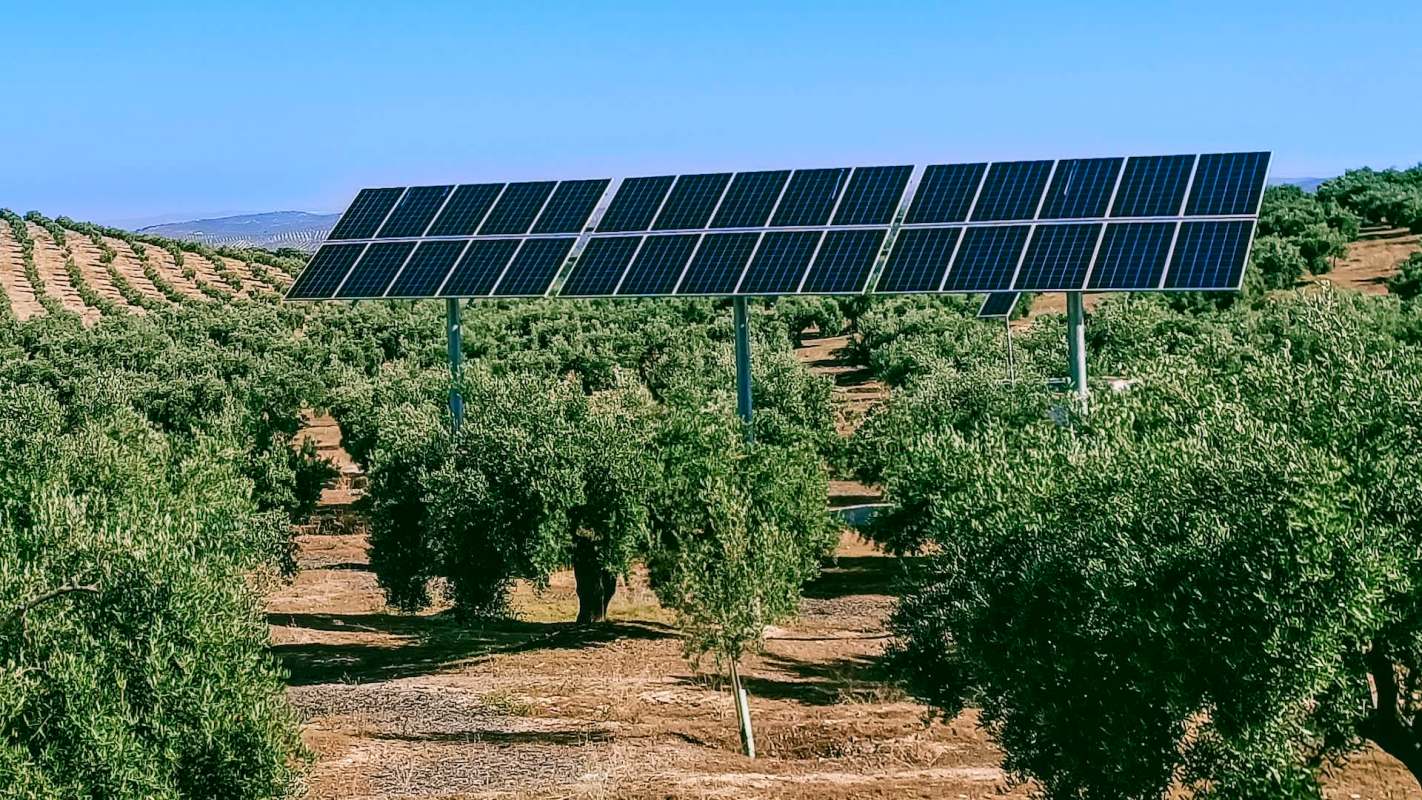
Bringing together agriculture and solar power is proving to be lucrative for both industries as well as the general public.
Agrivoltaics combines farming with solar by installing panels on existing farmland. A recent study conducted by researchers in Canada shows that this approach is very beneficial to crops.
It's been proved that agrivoltaics increases crop yields and soil health, but this study also found that this remains true even when the solar panels are not turned on.
"This study demonstrates that agrivoltaic systems, even after the cessation of power generation, can continue to deliver meaningful agronomic and economic value through passive shading and policy frameworks should adapt to this dual-use reality," the authors said.
Farming among solar panels means we can double the use of existing farmland and create additional income for farmers. It also produces low-cost clean energy and is gaining popularity for these reasons.
The shade of the panels creates microclimates that protect crops from the harsh effects of full sunlight and keeps soil cooler and damper.
TCD Picks » Quince Spotlight
💡These best-sellers from Quince deliver affordable, sustainable luxury for all




"Agrivoltaics makes more food per acre, and could help bring down food prices while also supporting farmers in Canada. Such agrivoltaic farming can help meet Canada's food and energy needs and reduce its fossil fuel reliance and greenhouse gas emissions as well as the rest of the world," study co-author Joshua Pearce wrote in a report for The Conversation.
Despite the proven benefits of agrivoltaics, it hasn't been easy to implement it around the world. Local governments have to take steps such as conduct impact assessments, approve plans, grant permits, and fund pilot programs.
Farmers also have to show interest and participate in the movement to normalize this new industry. More research will help bring farming and solar together to conserve resources, curb pollution, and produce accessible clean energy.
|
Would you rather sign up for community solar, or install panels on your home?
Click your choice to see results and speak your mind. |
 I want panels 🏠
Get TCD's free newsletters for easy tips to save more, waste less, and make smarter choices — and earn up to $5,000 toward clean upgrades in TCD's exclusive Rewards Club.







