


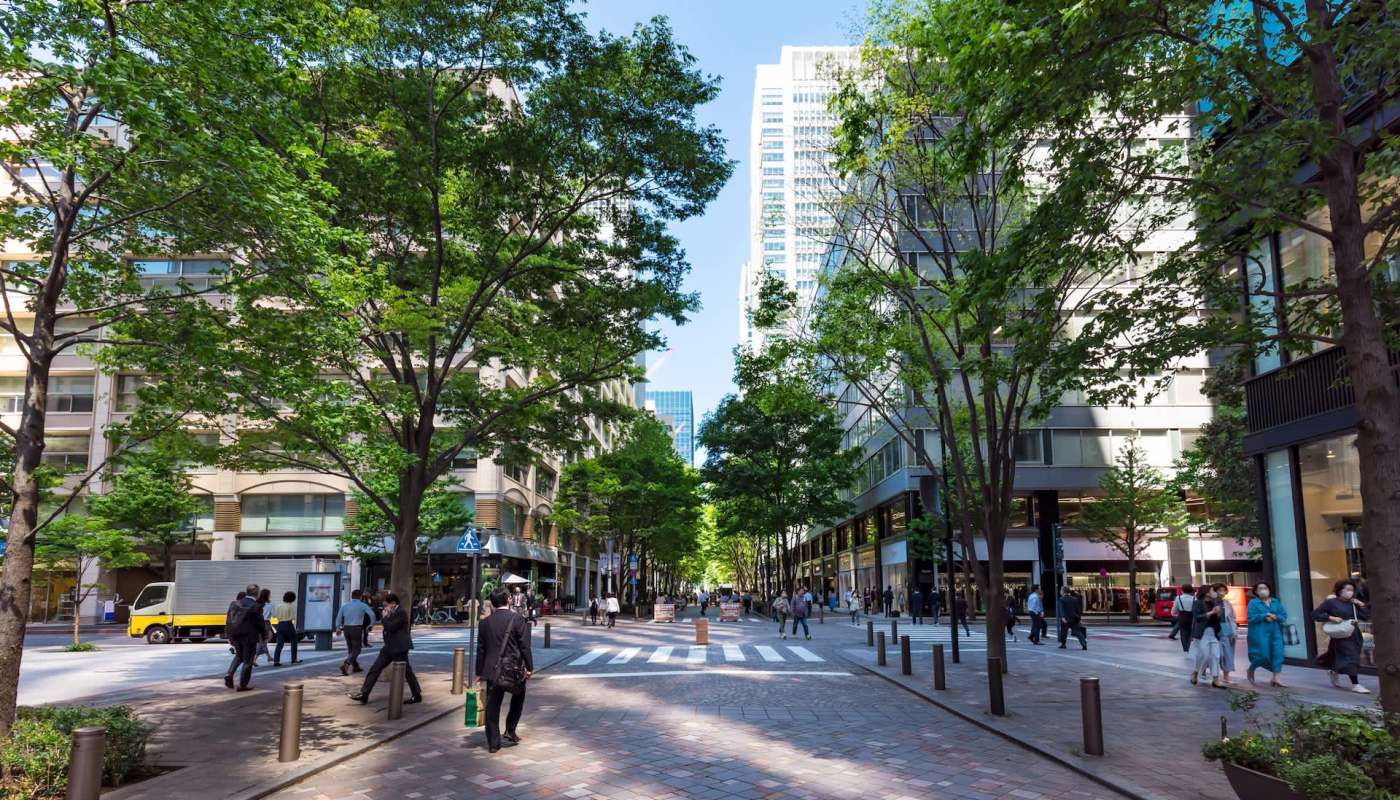
Cars start draining your bank account from the moment you drive them off the lot — so why not walk when possible? The reason, for many of us, is that there aren't many American cities designed to be friendly to foot traffic.
Walking is not only great for individuals, but it also reduces air and noise pollution, making cities healthier and more pleasant for everyone. Here are four promising signs that our cities could become more walkable in the future.
1. Walkable doesn't mean banning cars
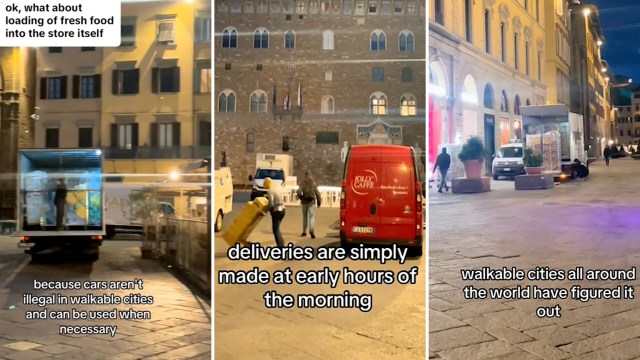
There are those who believe walkability means abandoning the use of cars altogether, but that couldn't be further from the truth. It's just a matter of when cars are used.
Pedestrian-friendly areas need shops and restaurants, which means deliveries. Of course, it would create issues if delivery drivers have to navigate heavy foot traffic during busy times of day, so deliveries can be made early in the morning before most people begin their days.
Read more →
2. Rush hour is much quieter
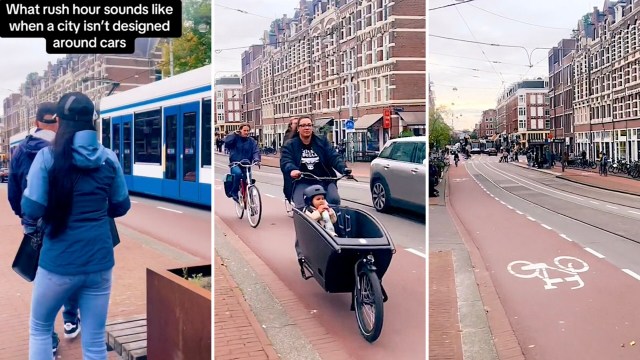
Single vehicles, whether a large truck or small car, make noise, especially if they're gas-powered. Multiply the noise of that one vehicle by hundreds, and it becomes a constant rumble that assaults the senses.
By contrast, compare that chaos to the relatively quiet street of a city designed to be walkable, such as Amsterdam, during rush hour, and the stark difference is clear.
Read more→
TCD Picks » Quince Spotlight
💡These best-sellers from Quince deliver affordable, sustainable luxury for all




3. Pedestrians and cars can exist side by side

A lot of people have no choice but to use their cars, whether it be for work, running errands, or any number of other things. Walkability can live right alongside necessary traffic.
Bike lanes and wide sidewalks separated from a busy street with barriers make it safe for everyone. Drivers can get where they're going without having to worry about pedestrians or bike riders getting too close. The barrier can even be a tree-lined median that spruces up aesthetics.
Read more →
4. Walkable areas tend to look nicer
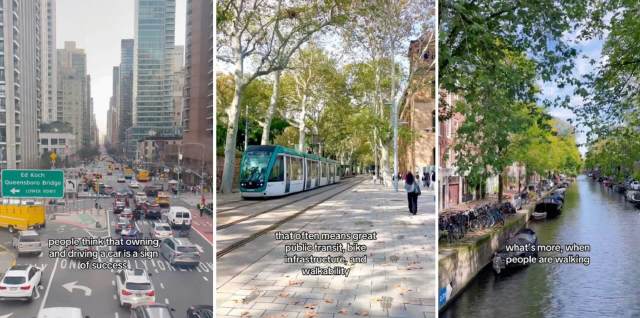
Areas with car congestion can be loud, dirty, chaotic, and stressful for both drivers and those traveling by bike or foot.
On the other hand, even in car-centric cities, areas set aside specifically for pedestrians are generally more wide open and have more plants and green spaces. It could be argued that even the architecture in such areas is meant to be more aesthetically pleasing because when you're walking instead of driving, you tend to look around and take notice of your surroundings.
Read more →
|
What would it take to sell your car and start riding a bike?
Click your choice to see results and speak your mind. |
 Shorter commute to work 🚴
Get TCD's free newsletters for easy tips to save more, waste less, and make smarter choices — and earn up to $5,000 toward clean upgrades in TCD's exclusive Rewards Club.






