


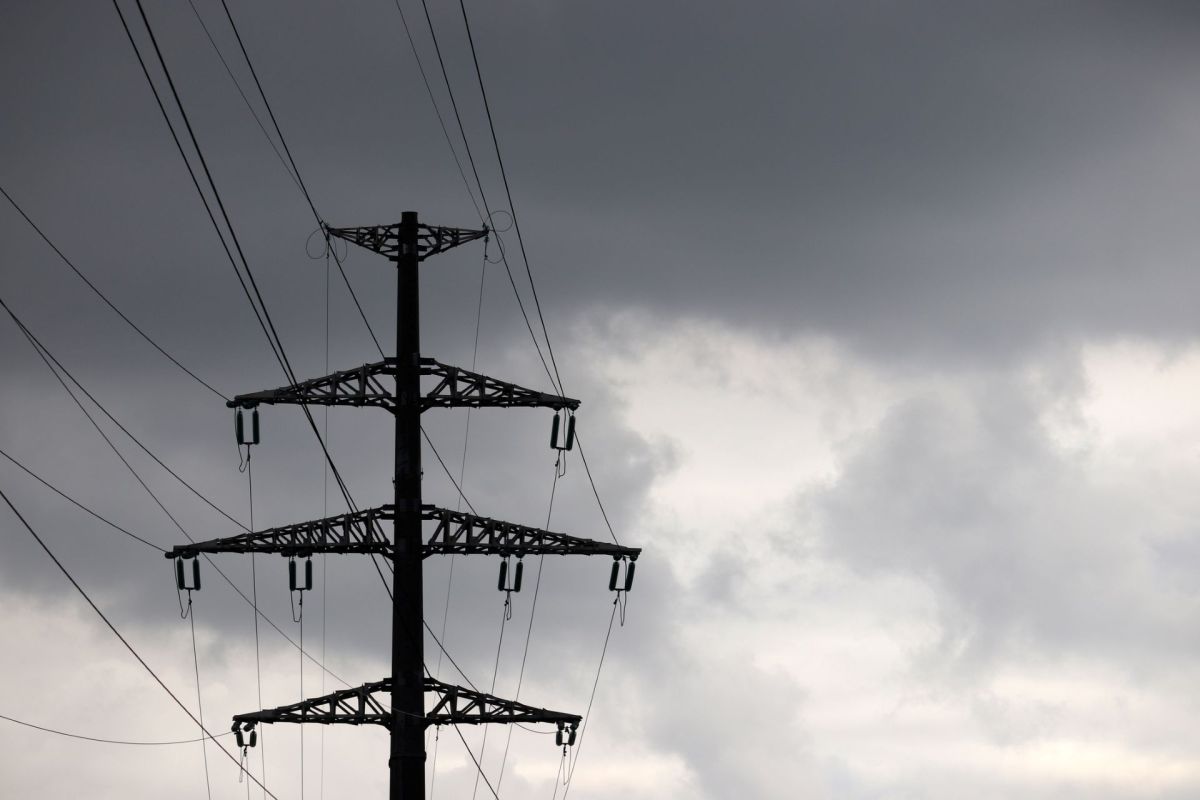
The cost of electricity has gone up significantly in Ontario due to higher spending on nuclear energy.
What happened?
The state regulator reported electricity rates in Ontario rose by 29% at the beginning of November, going from roughly 9.94 cents to 12.79 cents per kilowatt-hour. Spending on nuclear energy was cited as one reason for the increasing costs.
However, according to NB Media Co-op, the good news is that most households are not yet seeing the full increase on their electric bills, due to a rise in the Ontario Electricity Rebate.
The bad news is that experts say this rebate is simply masking the higher costs of electricity via taxpayer funding, so whether anyone is actually saving money is debatable.
Ontario gets approximately half of its power from nuclear energy, and activists linked the rise in electricity costs to the government's investment of billions in rebuilding nuclear reactors and planning more reactors for the future.
According to NB Media Co-op, the chair of the Ontario Clean Air Alliance, Jack Gibbons, explained, "Instead of investing in lower-cost wind and solar, the government is doubling down on expensive U.S.-designed reactors. This increase is being hidden by a massive taxpayer subsidy. It is the most expensive way to pretend rates are affordable."
TCD Picks » Quince Spotlight
💡These best-sellers from Quince deliver affordable, sustainable luxury for all




Why is this news concerning?
The cost of electricity is increasing worldwide, not just in Ontario. Texans have faced skyrocketing costs due to extreme heat, while Pennsylvania residents may soon see their electric bills go up by $160 annually.
Ontario's rates rising due to nuclear energy is unique, as nuclear energy has the potential to provide more affordable and cleaner electricity, making it a useful step in the transition to renewable energy sources.
However, part of the issue with nuclear energy, and what is partially responsible for the region's higher electricity rates, is the building of nuclear plants, which is extremely expensive and time-consuming. In fact, Ontario's government has said it plans to look into private financing to support nuclear projects because they are so costly.
Advocates and experts say, though, that going all-in on nuclear energy may raise electricity costs even further while slowing the overall transition to cleaner energy.
|
Should the government be paying us to upgrade our homes?
Click your choice to see results and speak your mind. |
 Definitely 💰
 Additionally, using nuclear energy comes with other concerns, such as how to manage waste safely.
What can be done to lower the cost of electricity?
The best way to lower electricity costs is to switch to solar, wind, and hydroelectric power, as these are renewable and more affordable.
According to NB Media Co-op, Ontario Green Party Leader Mike Schreiner explained in a statement, "We need to expand and update Ontario's electricity grid. The cheapest, fastest way to do that is to invest in Ontario-made wind, solar and energy storage solutions that will create jobs and lower bills for decades to come."

Get TCD's free newsletters for easy tips to save more, waste less, and make smarter choices — and earn up to $5,000 toward clean upgrades in TCD's exclusive Rewards Club.






