


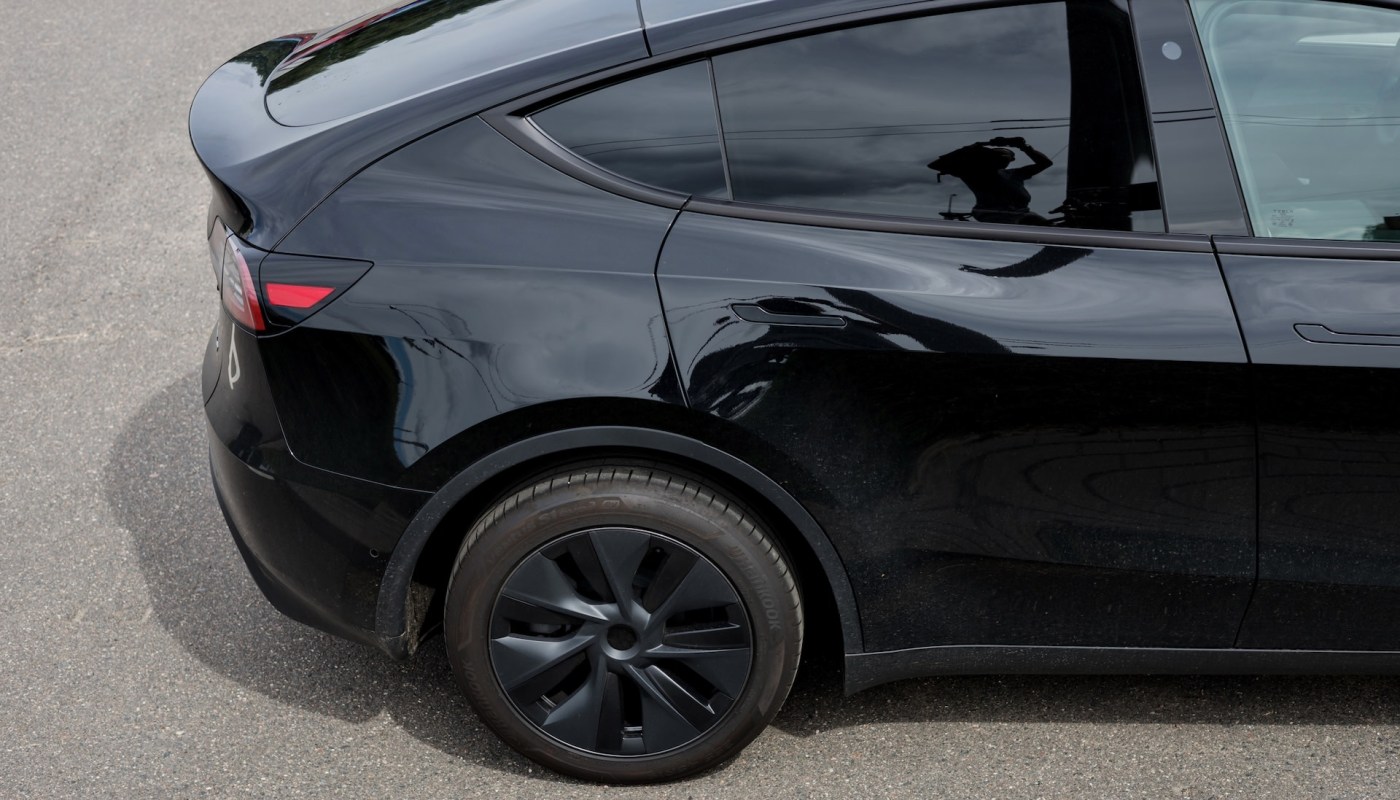
A South Korean battery material supplier announced recently that the value of its Tesla supply contract dropped by over 99%, raising questions about the future of the automaker's in-house battery program and the Cybertruck program that uses it.
What's happening?
According to Electrek, L&F Co. announced that its once-massive supply deal with Tesla dropped from $2.9 billion to just $7,386. The company cited a "change in supply quantity" in a regulatory filing but provided no further explanation for the dramatic reduction.
L&F won the original contract in 2023 to provide high-nickel cathode materials directly to Tesla for its 4680 battery cells. As Electrek detailed, Tesla CEO Elon Musk had promoted these cells as critical technology that would halve battery costs and enable cheaper electric vehicles. Currently, the Cybertruck is the only Tesla-made vehicle in production using the 4680 cells, per the news outlet.
Tesla has faced significant challenges with the Cybertruck over the past year. The company offered discounted financing last March to move inventory, then launched 0% APR incentives in June as unsold trucks accumulated.
Giga Texas has an annual production capacity of 250,000 units available to produce the Cybertruck, which only sells at a rate of around 20,000 to 25,000 units per year, according to the article. Tesla discontinued the cheapest Cybertruck model last September.
"Tesla's battery program appears to have failed," noted one comment on the article. "The problem certainly isn't just low Cybertruck sales. It's also that there seems to be no reason to even consider releasing updated versions of Tesla's higher-volume vehicles that use the new battery."
TCD Picks » Quince Spotlight
💡These best-sellers from Quince deliver affordable, sustainable luxury for all




Why is the contract change important?
The contract reduction suggests Tesla has scaled back or halted production of its 4680 battery cells, potentially leaving Cybertruck owners in the lurch around long-term parts availability and resale values.
The situation also reflects broader concerns around Tesla's market position. The automaker previously faced scrutiny when it scrapped plans for an affordable $25,000 EV, disappointing customers hoping for more accessible electric vehicle options. Tesla's Chinese competitors have also gained ground, with BYD set to surpass Tesla in global sales per CBT News.
One Electrek article commenter noted that promised improvements from the company remain unfulfilled.
"[W]e were supposed to have: A standardized 4680 cell format for Tesla vehicles ... Cars with 54% more range ... A $25k passenger car. None of those have happened," they wrote. "In fact their competitors are beating them to it. BMW and Rivian are both using 46XX format cells."
|
Do you worry about the longevity of EV batteries? Click your choice to see results and speak your mind. |
 For sure 💯
 What's being done about EV battery technology?
Multiple automakers are continuing to advance battery technology through different approaches. Consumers interested in making their next car an EV have several options beyond Tesla, with the broader electric vehicle industry continuing to innovate with improved battery chemistry and increased range, along with more affordable pricing options.

Get TCD's free newsletters for easy tips to save more, waste less, and make smarter choices — and earn up to $5,000 toward clean upgrades in TCD's exclusive Rewards Club.






