


Lionfish have taken over parts of the Gulf and Caribbean in the past few decades. One group in Texas is trying to put a dent in the species' population, according to Texas Monthly.
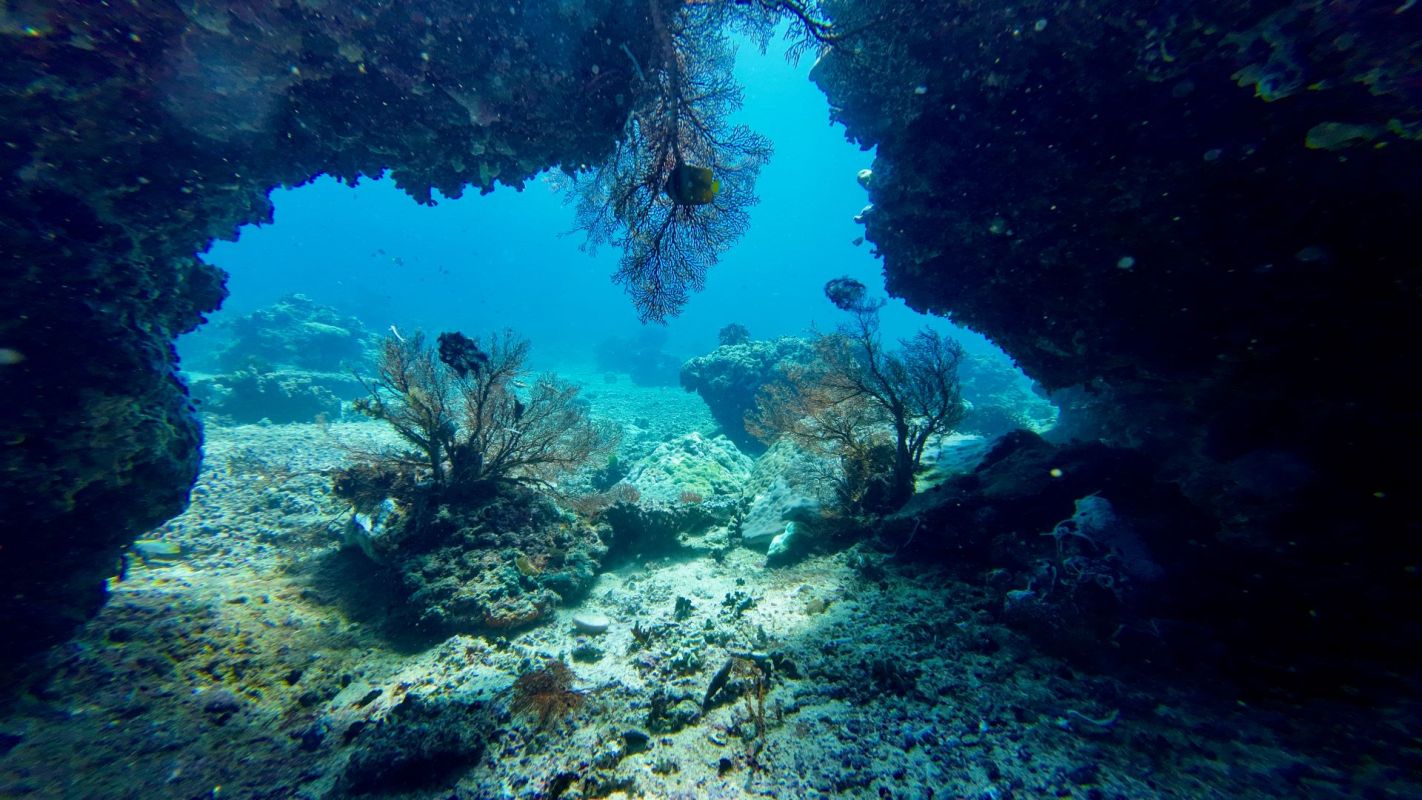
Lionfish, which are considered invasive, come from the water around Asia and have somehow managed to make their way here. These fish eat everything they come across that fits in their mouths and are particularly destructive to coral ecosystems. These ecosystems are home to 25% of our oceans' marine life and provide billions of dollars to local economies.
As the Texas Monthly article's author, Josh Alvarez, put it, these fish are a "beautiful but terrible menace."
Invasive species spread rapidly.
In fact, a female lionfish can produce as many as 50,000 eggs every few days (though not all of those mature). This allows them to consume natural resources more quickly. Native and local species often face food shortages or, in the case of the lionfish, are sometimes eaten by the outside species.
In this way, these fish throw the ecosystem out of balance. Their actions can cause significant damage to coral reefs.
TCD Picks » Quince Spotlight
💡These best-sellers from Quince deliver affordable, sustainable luxury for all




Unfortunately, they are nearly impossible to get rid of. The only viable, known method is spearfishing. As such, the Lionfish Invitational, a nonprofit organization, brings together researchers and citizen divers to hunt the lionfish.
Alvarez participated in one of these expeditions at the Flower Garden Banks National Marine Sanctuary. It's a federally protected area of coral-covered seamounts found roughly 100 miles off the coast of Texas.
Expeditions like these typically cost scuba divers a pretty penny. But donations and grants help offset the costs enough to make the experience more affordable.
Each group of divers goes down far enough into the sanctuary to explore the coral reefs and search for lionfish. Once they find the fish, the divers spear and remove them from the ocean.
|
How concerned are you about the plastic waste in our oceans? Click your choice to see results and speak your mind. |
 Extremely 😫
 Researchers often receive the fish after the expedition ends. They hope to use the fish to learn more about the species' migration patterns and other information that could help to suppress them. This particular expedition saw the removal of 92 lionfish, which put at least a small dent in the population.
Protecting and prioritizing native marine life and their habitats is even more imperative to stewarding the land, safeguarding food supplies, and conserving natural resources.

Get TCD's free newsletters for easy tips to save more, waste less, and make smarter choices — and earn up to $5,000 toward clean upgrades in TCD's exclusive Rewards Club.







