


These volunteers are making an incredible difference in their community.
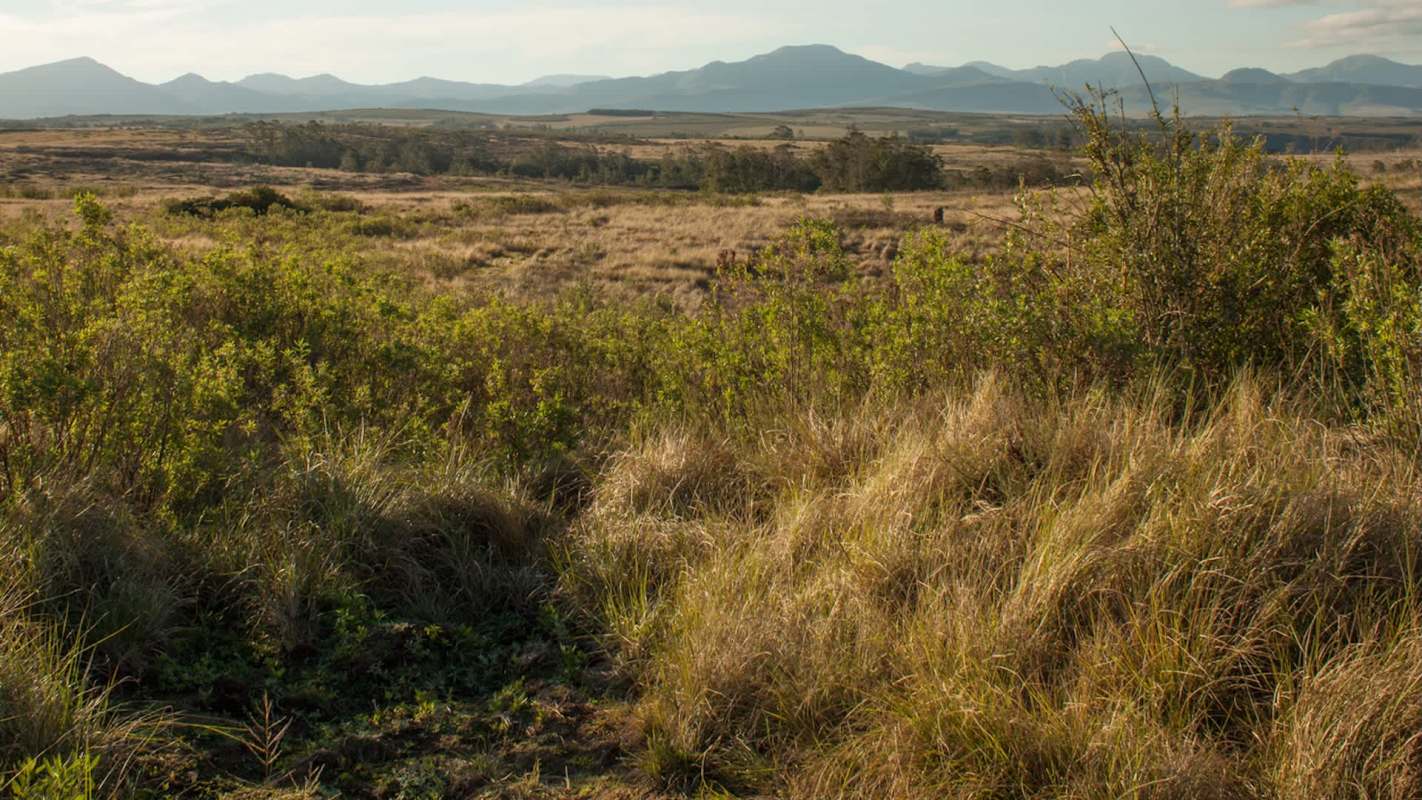
Marloth Park, a wildlife sanctuary in South Africa, is home to free-roaming wild animals and diverse native flora.
It's a beautiful reserve, but invasive species are rapidly spreading throughout the area. Fortunately, Marloth Park has a dedicated team of volunteers, called Honorary Rangers, who work to remove the invasive plants and restore the park's beauty.
Over the past few months, the HRs removed "significant amounts of overgrown and invasive vegetation in the area," according to The Citizen.
This included American prickly pear cactus and potato creepers, which were "now under almost every tree on the eastern side of Marloth Park," per The Citizen.
Invasive species, whether plant or animal, have a detrimental impact on the surrounding environment. They compete with native species for resources, alter habitats, reduce biodiversity, and can spread diseases. In some cases, invasive species push native species towards endangerment or extinction.
TCD Picks » Quince Spotlight
💡These best-sellers from Quince deliver affordable, sustainable luxury for all




Unfortunately, invasive species are quite common — you may even have an invasive species in your own backyard. Many homeowners discover English ivy, Japanese knotweed, or kudzu – all invasive species in the U.S. — rapidly spreading in their yards.
These pesky plants can be difficult to remove, but the benefits to the local ecosystem — and your wallet — will make the work worth it.
While invasive and non-native species require excessive maintenance like mowing, weeding, and watering, native species require little maintenance. They've adapted to survive in a specific zone and usually thrive all on their own, which means you'll save valuable time and money.
Rewilding your yard with native plants will also boost biodiversity, reduce air and water pollution, and provide food, shelter, and shade for local wildlife. Native flowers can support essential pollinators, which are responsible for one in every three bites we eat.
If Marloth Park's Honorary Rangers inspire you, find ways to take local climate action, like organizing a neighborhood cleanup.
|
If you were to switch from a grass lawn to a more natural option, which of these factors would be your primary motivation?
Click your choice to see results and speak your mind. |
 Making it look better 🌱
Get TCD's free newsletters for easy tips to save more, waste less, and make smarter choices — and earn up to $5,000 toward clean upgrades in TCD's exclusive Rewards Club.







