


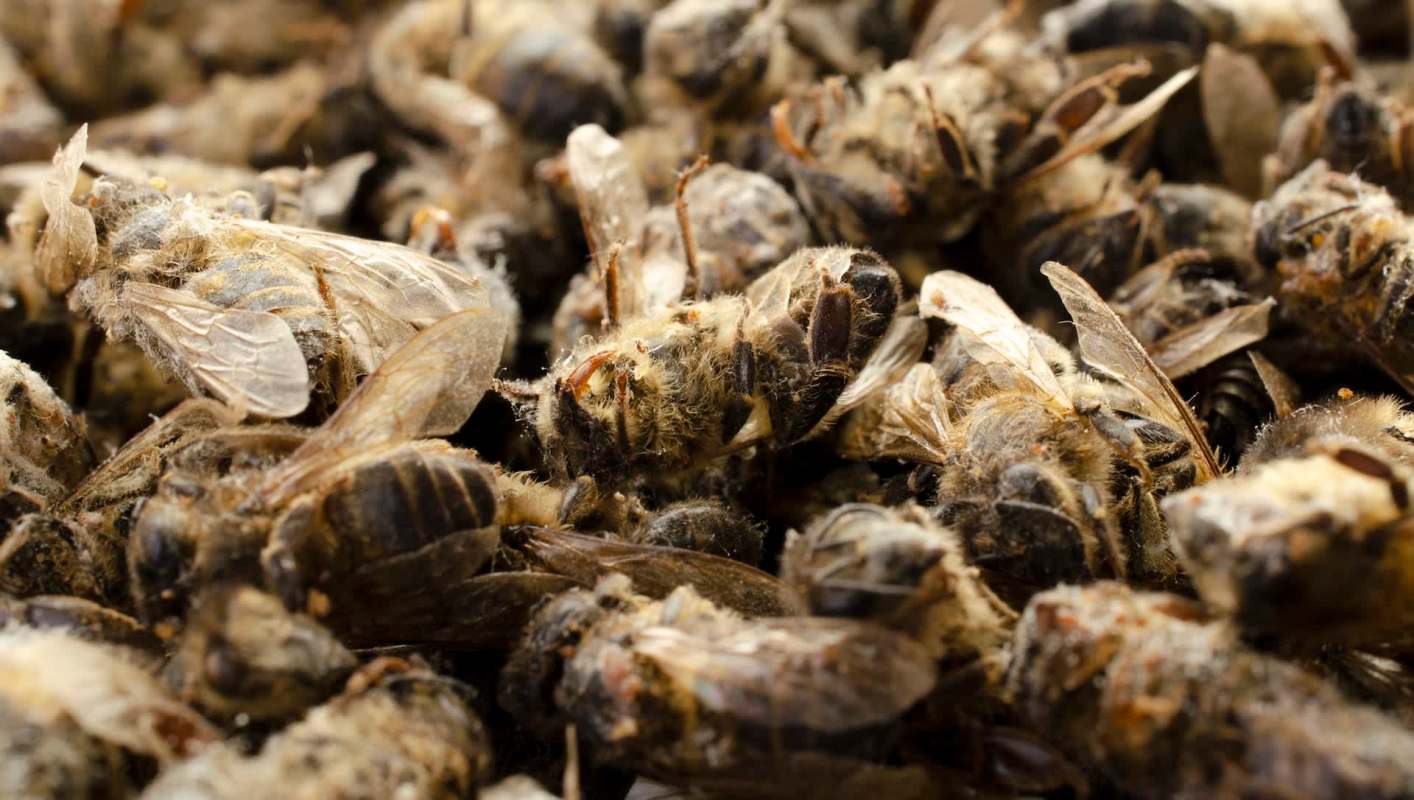
The cost of urbanization is pollinator loss, Earth.com reported. The decline of these keystone species — particularly moths and hoverflies — in urban areas has repercussions for the rest of the ecosystem, which affects wildlife and the human food supply.
What's happening?
A study by researchers at the University of Sheffield reported that urbanization contributed to a 43% drop in pollinator insects in densely populated areas.
According to the university's press release, the study collected pollinator data from allotment sites across three major cities in England, including city centers and more suburban areas. The researchers found that the closer the sites were to the center of urbanization, the fewer pollinators there were.
Urban areas lack tree cover and green spaces, which are not conducive to pollinator survival. This underscores their absence from or avoidance of these areas.
The study researchers also emphasized that industry dialogue and research surrounding pollinator importance is dominated by the talk of bees, often neglecting other important pollinator species.
"However moths and hoverflies are just as important for our ecosystems, and our results show they may be particularly vulnerable in urban habitats," said Emilie Ellis, study lead author, per the university press release.
TCD Picks » Quince Spotlight
💡These best-sellers from Quince deliver affordable, sustainable luxury for all




Why are declining pollinator populations important?
Pollinators support plant reproduction, boosting yields of native vegetation and food crops, which feed local wildlife and mankind. Pollinators are deeply intertwined in the human food supply, providing one out of every three bites of food we eat, according to the U.S. Department of Agriculture.
Drawn to native plants as a reliable food source, pollinators also reproduce three-fourths of the world's flowering plants, which helps protect ecosystem biodiversity.
A decline in pollinator populations can affect animal-pollinated crop yields — an industry valued at over $235 billion annually — and lower food quality. This impacts global food prices and the nutritional diet of humans worldwide.
What can I do to help?
Urban areas tend to be poor habitats for pollinators due to the lack of suitable food and shelter. Green spaces and native gardens are few and far between, driving any pollinator away to more desirable spaces.
|
Would you want a garden that can take care of itself? Click your choice to see results and speak your mind. |
 Sign me up 👍
 Although this may be the trend in many urban areas, it doesn't have to be the case in your corner of the city.
Planting native plants in a backyard or space-saving containers can encourage pollinator visits, which supports the local ecosystem's health. Encourage your friends and family to do the same, creating aesthetically beautiful and healthy gardens, while supporting the environment.
"We will need to consider these features in order to conserve such a diverse group of insects for future generations," said Stuart Campbell, study co-author, per Earth.com.

Join our free newsletter for good news and useful tips, and don't miss this cool list of easy ways to help yourself while helping the planet.







