


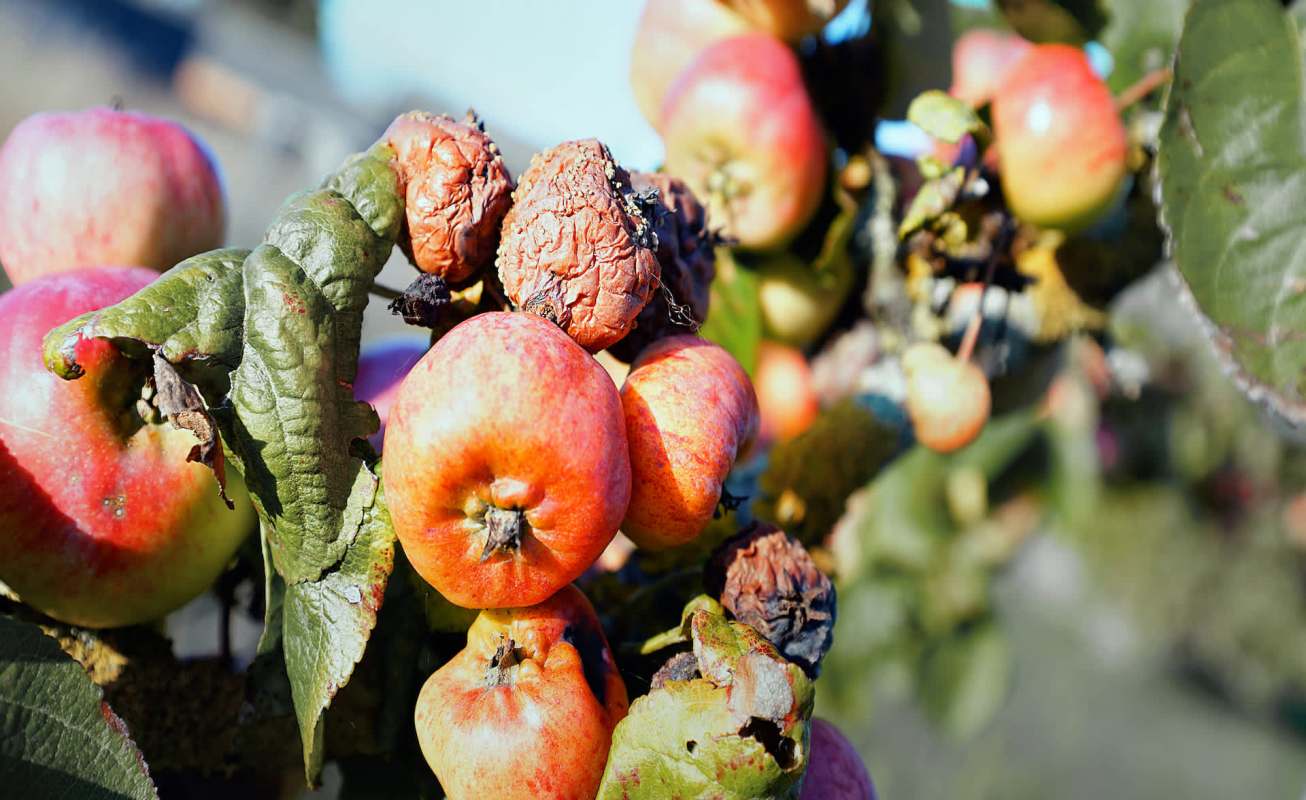
Fruit growers in Australia are noticing an unusually low fruit season in their spring. Experienced orchardists are experiencing climate shifts and complex environmental factors. Food crops, farmers' livelihoods, and consumer food supplies are being affected.
What's happening?
FreshPlaza reported that the Hawkesbury region of New South Wales has poor fruit formation.
Trees are flowering with normal bee activity, but fruit is failing to set. "The fruit just isn't there," said Joanna Galbraith of Pine Crest Orchard.
Her father, John Galbraith, a peach, apple, and cherry grower for 60 years, has felt the difference. The unseasonal change is unlike their battles with droughts, floods, fires, and hail.
A pollination workshop identified possible "biological, environmental, and chemical factors," per FreshPlaza.
The collapse of wild European bee populations (affected by varroa mites) is one idea. The bees may have lost interest in the fruit.
TCD Picks » Quince Spotlight
💡These best-sellers from Quince deliver affordable, sustainable luxury for all




Another risk is the residual fire retardants from the 2019 Black Summer bushfires. This, with the potential interference from "warmer-than-average spring temperatures," could be reducing pollination.
"There doesn't seem to be any single answer," John Galbraith told FreshPlaza.
Why are the declining orchards in Australia concerning?
This orchard struggle is a prime example of a human-induced, overheating planet.
Global impacts on agriculture and food supplies are underway. As crucial crops return low to no harvests, farmers will experience financial losses. Consumers will have a reduced local supply and more expensive groceries.
|
Do you think kids learn enough about gardening in school? Click your choice to see results and speak your mind. |
 Not even close 🧑🌾
 The uncertainty surrounding the cause shows how fragile food systems are. The complex, interconnected ways environmental changes affect daily life are far-reaching.
Disruptions delay progress toward a cleaner, safer future for all.
Healthy ecosystems, including thriving pollinator populations, are vital for food security. Without pollinators, food supplies will be less accessible and diminished.
Climate-related crop failures emphasize the widespread need to solve these challenges.
What's being done about these fruit crops?
Growers continue to track and research the underlying causes of the poor fruit set.
Understanding the causality will help develop targeted solutions and adaptive strategies for farmers. Pollination workshops with experts and local growers can also bring new insights.
Protecting pollinator health is paramount. This involves reducing pesticide use, preserving natural habitats, and supporting sustainable agricultural practices.
Decreasing planet-warming pollution from dirty energy sources is also essential.
Clean energy mitigates the extreme weather events that stress both plants and pollinators. Communities can support local agriculture and demand responsible environmental practices from all industries.
A more resilient, sustainable future for food begins with knowing the climate issues.

💰Get TCD's free newsletters for easy tips to save more, waste less, and make smarter choices — and earn up to $5,000 toward clean upgrades in TCD's exclusive Rewards Club.







