


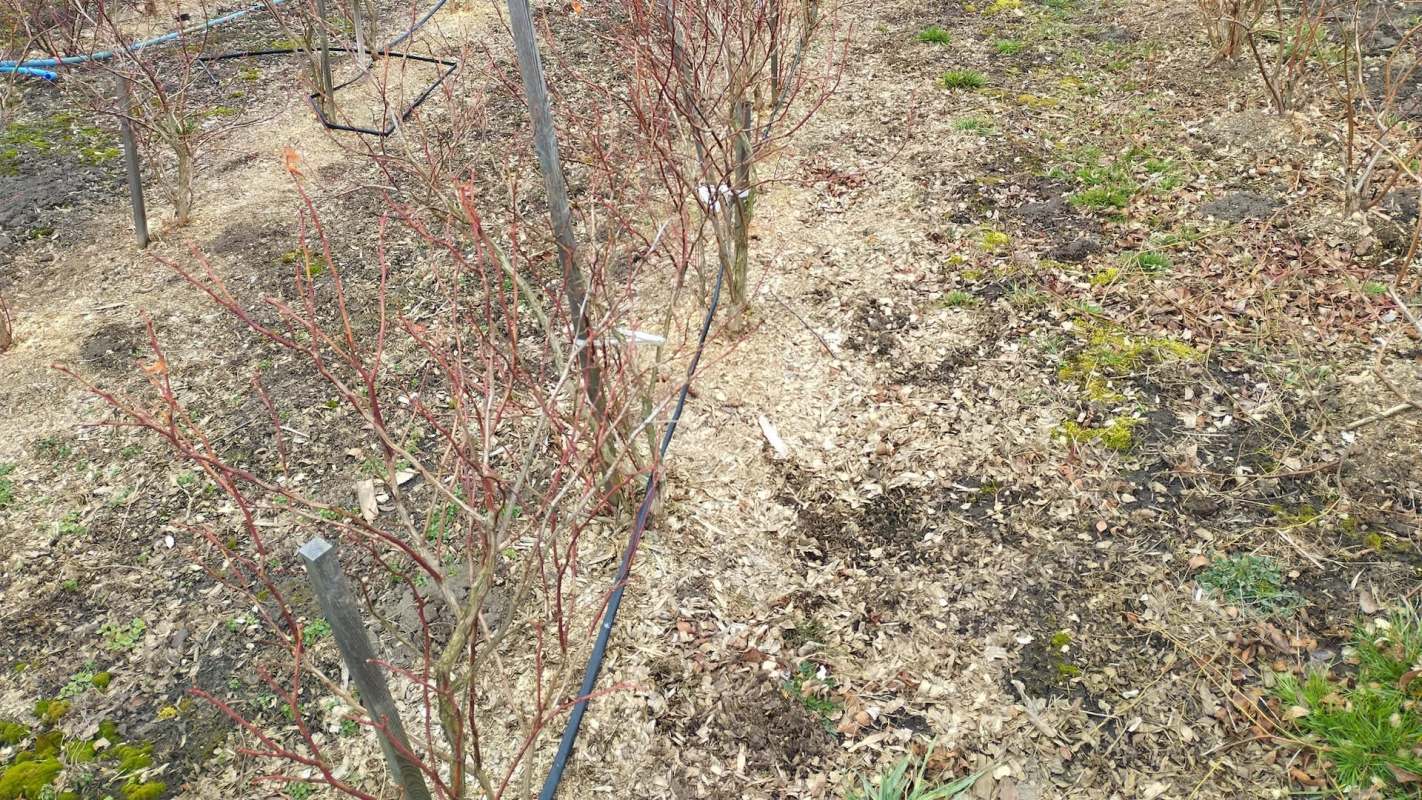
Maine's blueberries are being threatened by unseasonal heat, drought, and a cold spring. The harvest season is pressuring farmers' livelihoods while planet-overheating weather disrupts food supplies.
What's happening?
Bangor Daily News reported on the "unusual weather cycle" in Washington County, Maine.
The wild blueberry season began with a normal spring rain that was also cold and impeded pollination. That led to a summer of drought and extreme heat.
Dell Emerson, a 90-year-old farmer, saw a 50% decrease in his harvest. Many days over 90 F devastated his 40 acres of blueberries.
"This is one of the worst years we've ever had for yield," Emerson said to BDN.
General manager Darren Paul at Passamaquoddy Wild Blueberry Co. estimated a 30% yield reduction. He observed that "spring is coming on earlier, and the falls are staying longer. It's not cooling down as quick."
TCD Picks » Quince Spotlight
💡These best-sellers from Quince deliver affordable, sustainable luxury for all




This causes plants to become more vulnerable without protective snow cover. The cold spring meant pollinators weren't out, which further impacted crop development.
Why are lower blueberry harvests concerning?
Extreme weather events are harming our food systems.
Unpredictable, unseasonable patterns disrupt the delicate balance needed for healthy crops. They put the communities that rely on them at risk.
Reduced harvests result in higher prices for consumers at the grocery store. They also create massive financial losses for farmers.
|
How did your garden turn out this year? Click your choice to see results and speak your mind. |
 Amazing 🤩
 Small growers are facing many issues in the farming industry.
BDN noted thinning margins and rising costs for labor and supplies. These conditions make it difficult to stay in business. Some producers are already leaving the industry.
Agricultural communities maintain functioning food systems. Disruption to local food economies delays progress toward a cleaner, safer future.
Farmers are dealing with invasive species like the spotted wing drosophila as well. According to BDN, this Asian fruit fly infests ripe fruits, complicating crop management.
What's being done about food system disruptions?
The blueberry industry in Maine is seeking "emergency support" to navigate this crisis.
Experts have emphasized the importance of irrigation to manage inconsistent weather.
"People with irrigation will be OK. People with no irrigation [will] be at the mercy of the weather, so maybe some people will invest in it," said Paul to BDN.
The industry is also working with farmers to incorporate other climate adaptation solutions.
Reducing planet-warming pollution from dirty energy sources is essential. It will stabilize global temperatures and mitigate extreme weather events that hurt crops.
Individuals can advocate and support policies for sustainable agriculture and climate action. Exploring critical climate issues helps us understand the urgent need for solutions.
Restoring natural habitats, addressing invasive species, or preserving key ecosystems help too. These actions create more resilient food systems and a healthier environment.
While the challenges are immense, adaptive agricultural strategies can secure crucial crops.

Join our free newsletter for easy tips to save more and waste less, and don't miss this cool list of easy ways to help yourself while helping the planet.







